The Flashpoint of Modern Gaming Collecting
Limited-edition gaming drops have become one of the most intense corners of fan culture. A console variant, collector’s box, statue, steelbook, apparel collaboration, or exclusive accessory can appear online and disappear before many fans even finish refreshing the page. What looks like a simple product launch is actually a carefully built collision of scarcity, timing, design, nostalgia, community energy, and digital competition. For collectors, these drops are not just transactions. They are events. They carry the thrill of the hunt, the fear of missing out, and the promise of owning something that only a small number of fans will ever have. That emotional charge is exactly why limited-edition gaming drops sell out so fast. They turn ordinary merchandise into a countdown, a competition, and sometimes a cultural moment.
A: Scarcity, fan demand, preorder pressure, social hype, and resale interest all collide at once.
A: Not always. Some are rare, while others sell out because launch inventory was low.
A: Yes, automated buying can increase competition during high-demand releases.
A: Sealed items usually preserve condition and can become more valuable over time.
A: Strong design, meaningful franchise connection, rarity, and long-term display appeal.
A: Preorders give fans time to prepare, while surprise drops can reward fast alerts.
A: Limited supply and missed fan demand often create resale competition.
A: Create accounts early, save payment details, follow official channels, and use stock alerts.
A: Yes, if fans believe the contents, quality, and rarity justify the price.
A: Yes, collector culture continues expanding as gaming becomes more lifestyle-driven.
Scarcity Is the Engine Behind the Sellout
The biggest force behind fast sellouts is scarcity. When fans know that a product will not be restocked, the decision window shrinks dramatically. A normal item can be researched, compared, and purchased later. A limited-edition gaming drop demands action immediately.
Publishers and merchandise partners understand this psychology. By producing a fixed number of units, they create urgency before the product even launches. The phrase “limited edition” signals that hesitation could mean losing the chance forever. For passionate fans, that pressure can override careful shopping behavior and turn interest into instant checkout.
Scarcity also changes how people perceive value. A collectible that might seem expensive as a regular item becomes more desirable when fans believe it will be rare. The limited quantity transforms the object into a status piece, a display item, and possibly a future resale opportunity.
Hype Begins Long Before Launch Day
A limited-edition gaming drop rarely sells out because of launch-day attention alone. The sellout usually starts weeks or months earlier through teasers, leaks, trailers, influencer previews, fan speculation, and wishlist conversations. By the time the item becomes available, demand has already been built. Gaming communities are especially powerful at spreading anticipation. Fans share screenshots, analyze product images, debate pricing, and discuss whether an edition will become valuable. Every post adds momentum. Even people who were not originally interested can become curious once they see others reacting with excitement.
This is why countdown marketing works so well. A launch date turns the drop into an appointment. Fans mark calendars, set alarms, join waitlists, follow retailer pages, and prepare payment details. The release becomes less like shopping and more like trying to secure tickets to a major event.
The Fear of Missing Out Drives Fast Decisions
FOMO is one of the strongest forces in limited-edition collecting. Fans have seen too many releases vanish instantly, only to reappear at much higher prices on resale marketplaces. That memory trains collectors to act quickly.
In gaming culture, regret has a long shelf life. A fan who missed a rare console bundle, statue, or collector’s edition years ago may still remember the lost opportunity. The next time a similar drop appears, they are more likely to buy immediately. Past disappointment becomes future urgency.
FOMO also spreads socially. When fan communities begin posting phrases like “sold out already,” “cart failed,” or “I got mine,” the pressure intensifies. People who were undecided suddenly feel the door closing. The drop becomes a race, and nobody wants to be the person who waited too long.
Collector Culture Turns Products Into Trophies
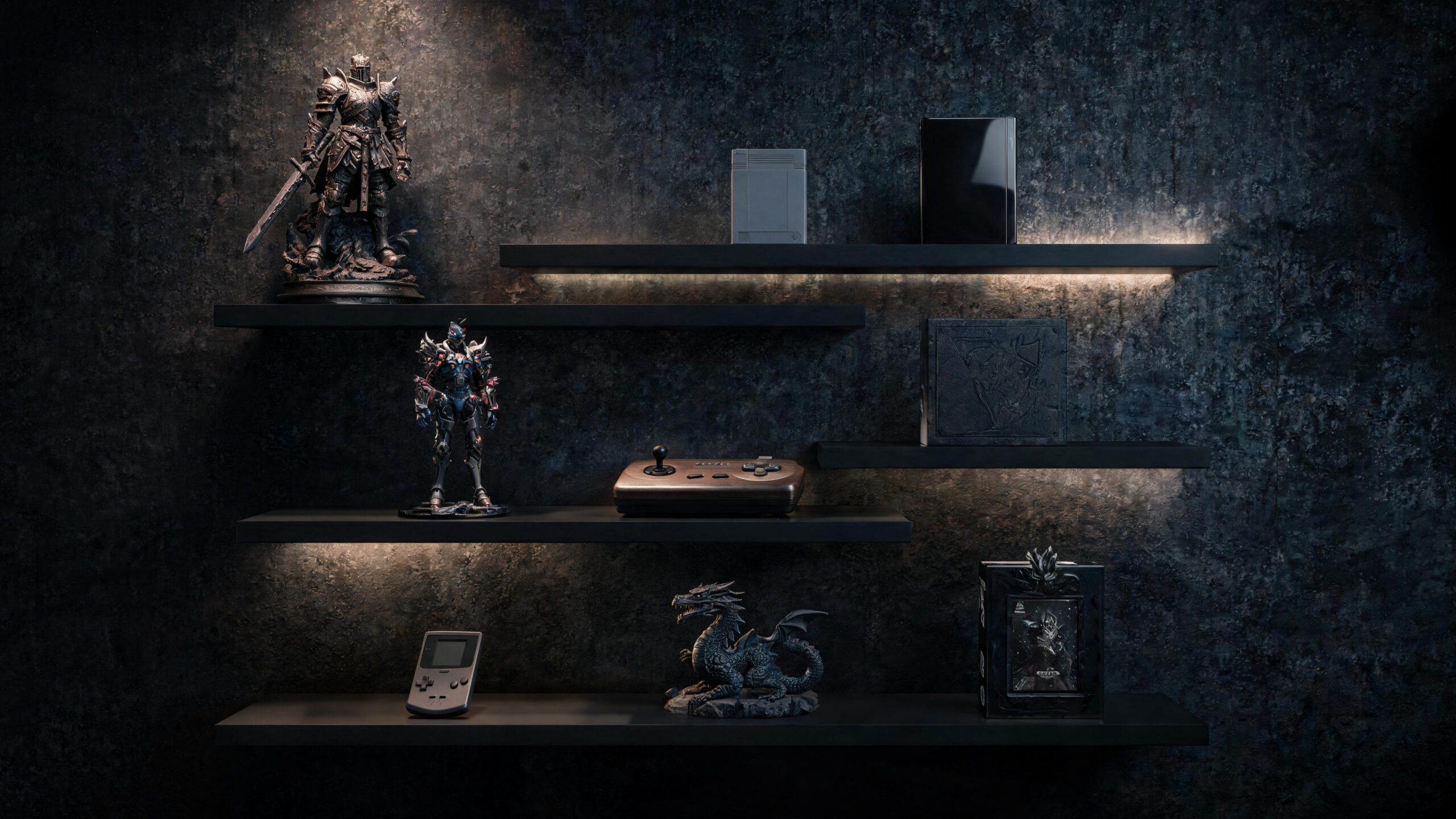
Limited-edition gaming items sell out quickly because they are not viewed as ordinary merchandise. They are trophies. A rare steelbook, controller, statue, art book, console shell, or collector’s box can become the centerpiece of a gaming room. Collectors often build displays around franchises they love. A limited drop gives them something visually distinct, something that tells a story. It says they were there, they secured it, and they own a piece of the moment. That emotional reward makes the purchase feel bigger than the object itself.
This trophy mindset is especially strong with long-running franchises. A new Zelda, Halo, Pokémon, Final Fantasy, Resident Evil, or PlayStation drop can tap into decades of memory. Fans are not only buying a product; they are buying a physical connection to their gaming identity.
Nostalgia Makes Demand Explode
Nostalgia is one of the most reliable accelerators in gaming collectibles. Many collectors are adults who grew up with classic consoles, legendary franchises, and unforgettable launch moments. When a limited-edition drop references those memories, demand can spike instantly.
Retro-inspired controllers, anniversary consoles, remastered collector’s editions, pixel-art merchandise, soundtrack vinyl, and throwback packaging all benefit from nostalgia. These items feel familiar and rare at the same time. They combine childhood excitement with adult purchasing power.
This is one reason anniversary drops often sell out so quickly. They celebrate a milestone, but they also remind fans of where they were when they first played the game. That emotional timing can make a collectible feel personally significant.
Preorders Create a Digital Rush
Many limited-edition gaming drops happen through preorder windows. This structure creates urgency because fans know inventory may be claimed before the product is even manufactured or shipped. The moment preorders open, everyone rushes at once. Retailer systems are often overwhelmed by this sudden traffic. Pages freeze, carts empty, payment forms fail, and checkout queues grow. Even fans who arrive on time may lose their chance because thousands of others are trying to buy the same item at the same second.
Preorders also make the sellout feel more dramatic. Fans are not walking into a store and browsing a shelf. They are competing against a clock, a queue, and an invisible crowd. That tension is part of the modern limited-drop experience.
Bots and Resellers Add Pressure
One of the most frustrating reasons gaming drops sell out quickly is automated buying. Bots can scan retail pages, add products to carts, and complete purchases faster than humans. While companies try to fight this behavior, high-demand drops remain vulnerable.
Resellers also amplify scarcity. Some buyers purchase limited-edition items specifically to flip them at a higher price. When resale profit seems likely, demand expands beyond fans and collectors. The product is no longer competing only for emotional buyers; it is competing for speculative buyers too.
This creates a cycle. Fans know resellers may grab stock, so they rush harder. Resellers know fans will rush, so they target the drop. The result is a chaotic launch where inventory can disappear almost instantly.
Influencers Can Turn Interest Into Frenzy
Influencers, streamers, YouTubers, and collectors play a major role in fast sellouts. A single preview video can transform a product from niche merchandise into a must-have item. When fans see the size, finish, packaging, and display potential of a limited drop, desire becomes more concrete.
Unboxing culture has made collector’s editions more visible than ever. A dramatic statue reveal, premium steelbook close-up, or beautiful packaging shot can spread quickly across social platforms. Fans imagine how the item would look in their own collection. Influencer excitement also gives fans social permission to buy. When trusted creators call a drop impressive, rare, or worth watching, many followers act quickly. In limited-edition markets, attention can become inventory pressure almost immediately.
Franchise Loyalty Magnifies Demand
Some gaming franchises have fan bases so devoted that nearly any premium drop attracts major demand. These communities are built over years, sometimes decades. They include collectors, lore enthusiasts, competitive players, cosplayers, artists, and nostalgia-driven fans.
When a limited-edition item connects deeply with a franchise’s identity, demand rises fast. A replica from a beloved RPG, a controller themed around an iconic console, or a statue of a legendary character can appeal to multiple types of fans at once.
The strongest drops feel authentic. They do not look like generic merchandise with a logo attached. They feel like they belong in the game’s world. That authenticity helps fans justify the purchase and makes the product more likely to sell out quickly.
Design Quality Can Make or Break a Drop
Limited-edition gaming drops sell fastest when the design feels premium, specific, and display-worthy. Collectors care about materials, scale, finish, packaging, and visual presence. A beautiful product can turn casual interest into immediate action.
The best drops usually have a clear hero item. It might be a large statue, replica helmet, themed controller, art book, steelbook, soundtrack, console dock, or detailed prop. The hero item gives the edition a reason to exist beyond the game itself. Poor design can weaken demand, even when the franchise is popular. Collectors can tell when a limited edition feels rushed or inflated. But when design quality matches fan expectations, the drop can become a sellout almost instantly.
Artificial Scarcity and Brand Strategy
Not every sellout happens because a company underestimated demand. Sometimes limited quantities are part of the strategy. Scarcity can protect premium value, reduce overstock risk, and create buzz around the brand.
A sold-out product sends a powerful message. It makes the drop look successful, increases conversation, and strengthens the perception that future releases will also be hard to get. This can train fans to act faster next time.
However, artificial scarcity can be risky. If fans believe a company is intentionally underproducing items to create frustration, backlash can build. The most successful limited drops balance exclusivity with fairness, giving fans a real chance while still preserving rarity.
Online Communities Accelerate the Sellout
Gaming communities move fast. A product link posted on Reddit, Discord, X, TikTok, YouTube, or a collector forum can send thousands of fans to the same page within minutes. Once a drop is discovered, the information spreads almost instantly.
Dedicated collectors often monitor restocks and preorder links together. They share alerts, checkout tips, retailer updates, and availability changes. This helps more fans find the drop, but it also compresses demand into a shorter window. The community effect can be intense. A limited-edition item may sit unnoticed for a short time, then sell out rapidly once a major fan account posts about it. In the age of instant sharing, obscurity does not last long.
Price Does Not Always Slow Demand
It might seem logical that expensive collector’s editions would sell more slowly, but high prices do not always reduce demand. In some cases, price reinforces the perception of exclusivity. A premium item feels more serious, more limited, and more collectible.
Dedicated fans often budget for major releases. They may skip several smaller purchases to afford one centerpiece collectible. For them, a high price is not automatically a barrier if the edition feels meaningful and rare.
That said, price must match perceived value. Fans are willing to pay for quality, scale, and exclusivity. They are less forgiving when a premium price is attached to thin bonuses or low-effort packaging. Fast sellouts happen when buyers feel the edition justifies the cost.
Resale Markets Shape Buying Behavior
Resale marketplaces have changed how fans approach limited-edition gaming drops. Buyers can now see how quickly rare items rise in price after selling out. That visibility influences launch-day behavior. Some fans buy early because they fear paying double later. Others buy extra copies hoping to resell. Even collectors who dislike resale culture may feel pressured to act before prices climb. The aftermarket becomes part of the drop’s psychology.
This is why sellouts can become self-fulfilling. The belief that an item will become valuable drives more people to buy immediately, which causes the item to sell out, which then confirms the belief that it was valuable.
The Role of Timed Releases
Timed releases are another reason drops sell out quickly. Some gaming collectibles are available only during a short window, even if they are not limited by a fixed number. This creates a different kind of urgency.
Fans may feel that a timed drop is their only opportunity to secure an item at retail price. Even if the company produces based on demand, the deadline still pushes buyers to make a decision. The countdown matters.
Timed releases also work well for seasonal events, anniversaries, game launches, and convention weekends. They transform a product into a moment, and moments are easier to hype than ordinary catalog items.
Why Some Drops Sell Out in Minutes
When a limited-edition gaming drop sells out in minutes, several forces usually hit at once. The franchise is popular, the product looks impressive, the quantity is low, the launch time is known, influencers have amplified interest, and fans believe resale prices will rise.
The speed of the sellout does not always mean the product had millions of buyers. Sometimes it simply means supply was extremely low compared with a highly concentrated audience. A few thousand motivated fans can wipe out inventory quickly if everyone arrives at the same time. This is why sellout speed can be misleading. A drop may vanish instantly because demand was massive, supply was tiny, or the checkout system was vulnerable. Often, it is a combination of all three.
How Fans Try to Beat the Rush
Collectors have developed strategies to improve their chances. They create retailer accounts in advance, save payment methods, log in early, use multiple devices, join alert groups, and monitor official social channels. Some even practice checkout flows before major drops.
The preparation reflects how competitive limited-edition gaming has become. Buying a rare collectible is no longer always simple. For the most desirable drops, fans treat launch day like a mission.
Still, luck plays a role. Website crashes, queue systems, payment errors, and regional restrictions can ruin even the best plan. That unpredictability makes successful purchases feel even more rewarding.
What Fast Sellouts Mean for Gaming Culture
Fast sellouts show how powerful gaming fan culture has become. Video games are no longer limited to screens and controllers. They have become lifestyle brands, display art, fashion inspiration, nostalgia engines, and collectible ecosystems.
Limited-edition drops give fans a way to physically express their connection to digital worlds. A rare item on a shelf can represent hundreds of hours of play, favorite characters, online friendships, and personal memories. The speed of these sellouts also reveals a growing tension. Fans want access, brands want excitement, collectors want rarity, and resellers want profit. Every drop sits at the center of those competing forces.
The Future of Limited-Edition Gaming Drops
Limited-edition gaming drops will likely become even more sophisticated. Expect more premium statues, high-end replicas, console variants, apparel collaborations, soundtrack box sets, art objects, and hybrid physical-digital packages.
Brands will continue experimenting with waitlists, lotteries, preorder queues, anti-bot systems, membership access, and regional release windows. The goal will be to keep the excitement while reducing frustration.
As physical media becomes less common, premium collectibles may become even more important. Fans who no longer buy physical game discs may still want physical objects that celebrate the games they love. Collector culture is not fading; it is evolving.
Why the Sellout Is Part of the Story
The speed of a limited-edition gaming drop is part of what makes it memorable. Fans remember the countdown, the refresh button, the checkout panic, the confirmation email, or the disappointment of missing out. The experience becomes attached to the object itself.
That is why limited-edition gaming drops sell out so fast. They are built from scarcity, amplified by community, accelerated by technology, and powered by emotion. They turn fandom into a race and collectibles into cultural artifacts. For Sandboxr readers and gaming collectors, the lesson is simple: the rarest drops are never just products. They are moments of fan culture, captured in physical form, and gone almost as quickly as they arrive.