Why Lighting Defines Everything in 3D
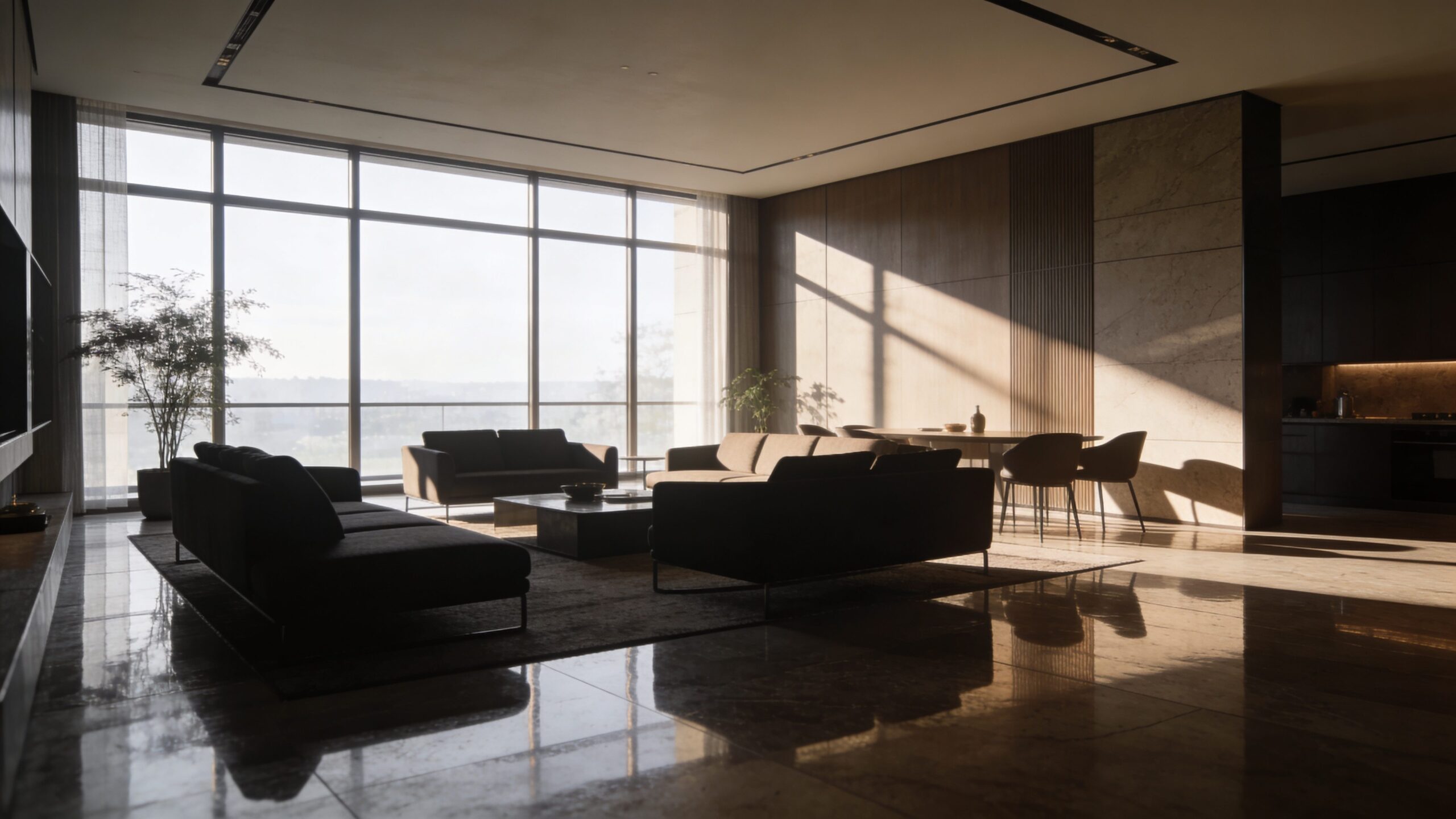
In the world of 3D art and modeling, lighting is not just a technical step—it is the defining element that transforms geometry into emotion, realism, and storytelling. A perfectly modeled object can still look artificial under poor lighting, while even simple shapes can appear cinematic when illuminated with intention and precision. Realistic lighting bridges the gap between digital creation and the physical world, guiding the viewer’s eye, shaping perception, and establishing mood. The reason lighting holds such power lies in how humans interpret visual information. Our brains are deeply trained to recognize light behavior from real-world experience. Subtle cues such as shadow softness, color temperature, and reflections immediately signal whether a scene feels believable. When these cues are replicated correctly in 3D, the illusion becomes convincing, and the render feels grounded in reality.
A: The key light, as it defines direction and primary illumination.
A: Lack of contrast and poor shadow definition are common causes.
A: Not always, but it’s great for realism and reflections.
A: Study real-world light behavior and use global illumination.
A: Low sampling or complex lighting interactions.
A: Optimize samples and use denoising tools.
A: Increase indirect lighting or adjust fill light intensity.
A: Creating atmosphere like fog and light beams.
A: It greatly affects mood and realism.
A: No, but it can significantly enhance the final result.
Understanding Light Behavior in the Real World
Before diving into software tools and rendering engines, it is essential to understand how light behaves in the physical world. Light travels in rays, bouncing off surfaces, scattering, reflecting, and refracting. These interactions create the complexity we associate with realism. In 3D rendering, replicating this behavior is the foundation of achieving believable results.
Natural light rarely behaves in a perfectly uniform way. It diffuses through air, softens as it spreads, and picks up color from surrounding surfaces. A white wall, for example, can cast subtle color tones onto nearby objects. Shadows are rarely pure black; instead, they carry ambient light and environmental color. Observing these nuances in real life is one of the most valuable exercises a 3D artist can practice.
The Power of Three-Point Lighting
One of the most fundamental techniques in realistic lighting is the three-point lighting setup. This approach consists of a key light, a fill light, and a back light. The key light acts as the primary source, defining the main illumination and shadow direction. The fill light softens shadows and reduces contrast, while the back light separates the subject from the background, adding depth. Although this setup originates from photography and film, it translates seamlessly into 3D environments. It provides a structured starting point for lighting almost any scene. However, the true artistry comes from modifying and adapting this setup to fit the specific mood and narrative of the scene. Slight adjustments in intensity, angle, and color can dramatically alter the final result.
Global Illumination and Indirect Lighting
Global illumination is one of the most important concepts in realistic rendering. It refers to the simulation of how light bounces between surfaces, creating indirect lighting. Without global illumination, scenes often appear flat and artificial, lacking the subtle interplay of light that exists in reality.
Indirect lighting is what allows shadows to contain detail and color. It is what gives interiors their soft ambient glow and ensures that light wraps naturally around objects. Modern rendering engines use advanced algorithms to simulate this behavior, but understanding its impact helps artists make better creative decisions. Adjusting bounce intensity, light color, and surface materials can dramatically enhance realism.
HDRI Lighting and Environmental Realism
High Dynamic Range Imaging, commonly known as HDRI, has revolutionized 3D lighting workflows. HDRI maps provide real-world lighting data captured from actual environments, allowing artists to instantly introduce realistic light and reflections into their scenes. Instead of manually placing multiple lights, an HDRI can create a fully immersive lighting environment with minimal setup. The strength of HDRI lighting lies in its ability to produce natural variations in brightness and color. Sunlight, sky gradients, and environmental reflections are all embedded within the image. This makes HDRI particularly powerful for product rendering, architectural visualization, and outdoor scenes where realism is essential.
Shadows: The Silent Storytellers
Shadows are often overlooked, yet they play a crucial role in defining realism. The softness, direction, and intensity of shadows communicate information about the light source and the environment. Hard shadows suggest a strong, direct light source such as midday sun, while soft shadows indicate diffused lighting, like an overcast sky or indoor illumination.
Accurate shadow behavior enhances depth and spatial awareness. Contact shadows, which occur where objects meet surfaces, ground elements within the scene. Without them, objects can appear as though they are floating. Fine-tuning shadow settings is one of the most effective ways to elevate a render from average to exceptional.
Color Temperature and Emotional Impact
Lighting is not only about brightness; it is also about color. Color temperature plays a significant role in shaping the emotional tone of a scene. Warm lighting, often associated with sunset or indoor environments, creates a sense of comfort and intimacy. Cool lighting, reminiscent of cloudy skies or artificial sources, can evoke calmness, mystery, or even tension. In realistic rendering, mixing color temperatures can add visual interest and depth. A warm key light combined with a cooler fill light can create a dynamic and cinematic look. Understanding how different light colors interact allows artists to craft scenes that resonate emotionally with viewers.
Volumetric Lighting and Atmosphere
Volumetric lighting introduces atmosphere into a scene by simulating how light interacts with particles in the air. This technique is responsible for effects such as light rays streaming through windows, foggy environments, and dusty interiors. These elements add a layer of realism that goes beyond surface-level detail.
Atmospheric effects can dramatically enhance storytelling. A beam of light cutting through darkness can guide the viewer’s attention, while subtle haze can soften the scene and create depth. When used carefully, volumetric lighting transforms static renders into immersive visual experiences.
Materials and Their Interaction with Light
Lighting cannot be separated from materials. The way a surface reflects, absorbs, or transmits light defines its appearance. Physically based rendering workflows rely on accurate material properties to achieve realism. Parameters such as roughness, metallic values, and reflectivity determine how light behaves upon contact. Glossy surfaces produce sharp reflections, while rough surfaces scatter light more diffusely. Transparent materials introduce refraction, bending light as it passes through. Understanding these interactions allows artists to create convincing materials that respond naturally to lighting conditions. Even the most carefully placed lights will fall short if materials are not properly configured.
Achieving Photorealism Through Balance
Photorealistic lighting is not about maximizing every effect; it is about balance. Overly bright highlights, excessively dark shadows, or unrealistic color contrasts can break the illusion. The goal is to create harmony between light intensity, color, and material response.
Exposure settings play a critical role in achieving this balance. Just like in photography, adjusting exposure ensures that details are preserved in both highlights and shadows. Tone mapping further refines the final image, shaping how light values are displayed. These adjustments are essential for producing renders that feel natural and visually pleasing.
Rendering Engines and Their Strengths
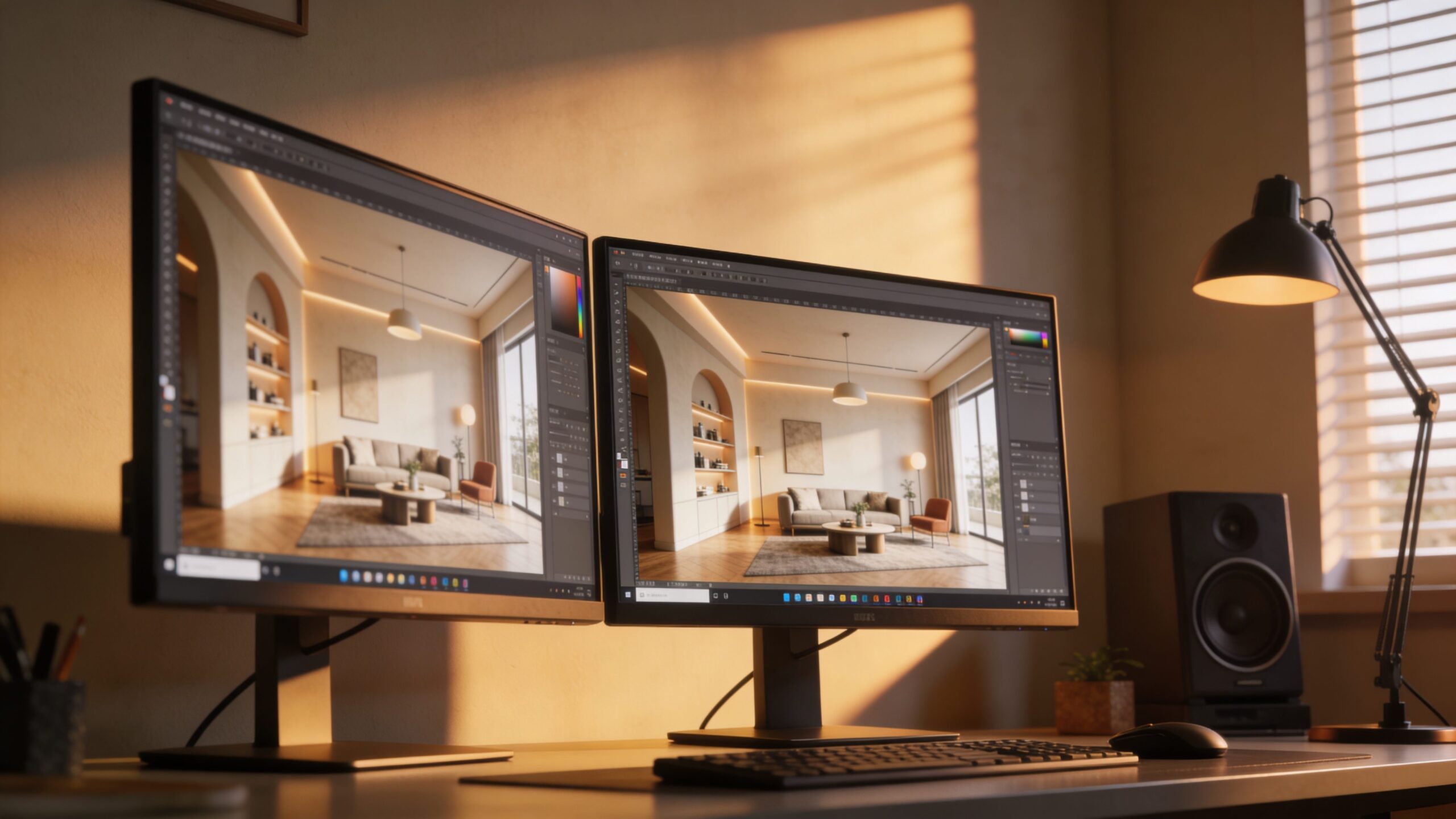
Different rendering engines offer unique approaches to lighting and realism. Some prioritize physical accuracy, while others focus on speed and real-time performance. Choosing the right engine depends on the project’s goals and constraints. Offline renderers often deliver the highest level of realism, accurately simulating complex light interactions. Real-time engines, on the other hand, provide immediate feedback, allowing artists to iterate quickly. Understanding the strengths of each approach enables artists to select the best tool for their workflow and achieve optimal results.
Optimization Without Sacrificing Quality
One of the biggest challenges in 3D lighting is balancing quality with performance. High-quality lighting simulations can be computationally expensive, leading to long render times. However, optimization techniques can significantly reduce this burden without compromising visual fidelity.
Adjusting sample rates, using denoising tools, and strategically placing lights can all improve efficiency. Simplifying geometry and limiting unnecessary reflections also contribute to faster rendering. The key is to focus computational resources where they matter most, ensuring that critical areas receive the highest level of detail.
Common Lighting Mistakes and How to Avoid Them
Even experienced artists can fall into common lighting pitfalls. Flat lighting, where there is little contrast or depth, often results from relying too heavily on ambient light. Overexposed scenes can wash out details, while underexposed renders can obscure important elements. Another frequent issue is inconsistent light direction, which can confuse the viewer and break realism. Ensuring that all light sources align logically within the scene is essential. Taking the time to analyze and refine lighting setups can prevent these issues and lead to more polished results.
Developing a Lighting Workflow
A structured workflow is essential for achieving consistent results in 3D lighting. Starting with a clear concept and reference images provides direction and inspiration. Blocking in primary light sources establishes the overall composition, while secondary lights refine details and enhance depth.
Iterative adjustments are key to success. Lighting is rarely perfect on the first attempt, and small changes can have a significant impact. Regularly reviewing renders from different angles and perspectives helps identify areas for improvement. Over time, this process becomes intuitive, allowing artists to work more efficiently and creatively.
The Future of Lighting and Rendering
Advancements in technology continue to push the boundaries of what is possible in 3D lighting. Real-time ray tracing, AI-assisted rendering, and improved global illumination techniques are making photorealism more accessible than ever. These innovations are not only enhancing visual quality but also streamlining workflows. As tools evolve, the core principles of lighting remain unchanged. Understanding how light behaves, how it interacts with materials, and how it influences perception will always be fundamental. Artists who master these principles will be well-equipped to adapt to new technologies and continue creating compelling visual experiences.
Final Thoughts: Lighting as an Art Form
Realistic lighting in 3D is both a science and an art. It requires technical knowledge, observational skills, and creative intuition. By mastering the techniques outlined in this guide, artists can elevate their work and bring their visions to life with authenticity and impact.
The journey to mastering lighting is ongoing. Each project presents new challenges and opportunities to learn. By studying real-world lighting, experimenting with different setups, and refining workflows, artists can continue to grow and push the limits of their craft. In the end, it is lighting that transforms a digital scene into something that feels truly real.