Game Audio Explained: How Sound Makes Digital Worlds Feel Alive
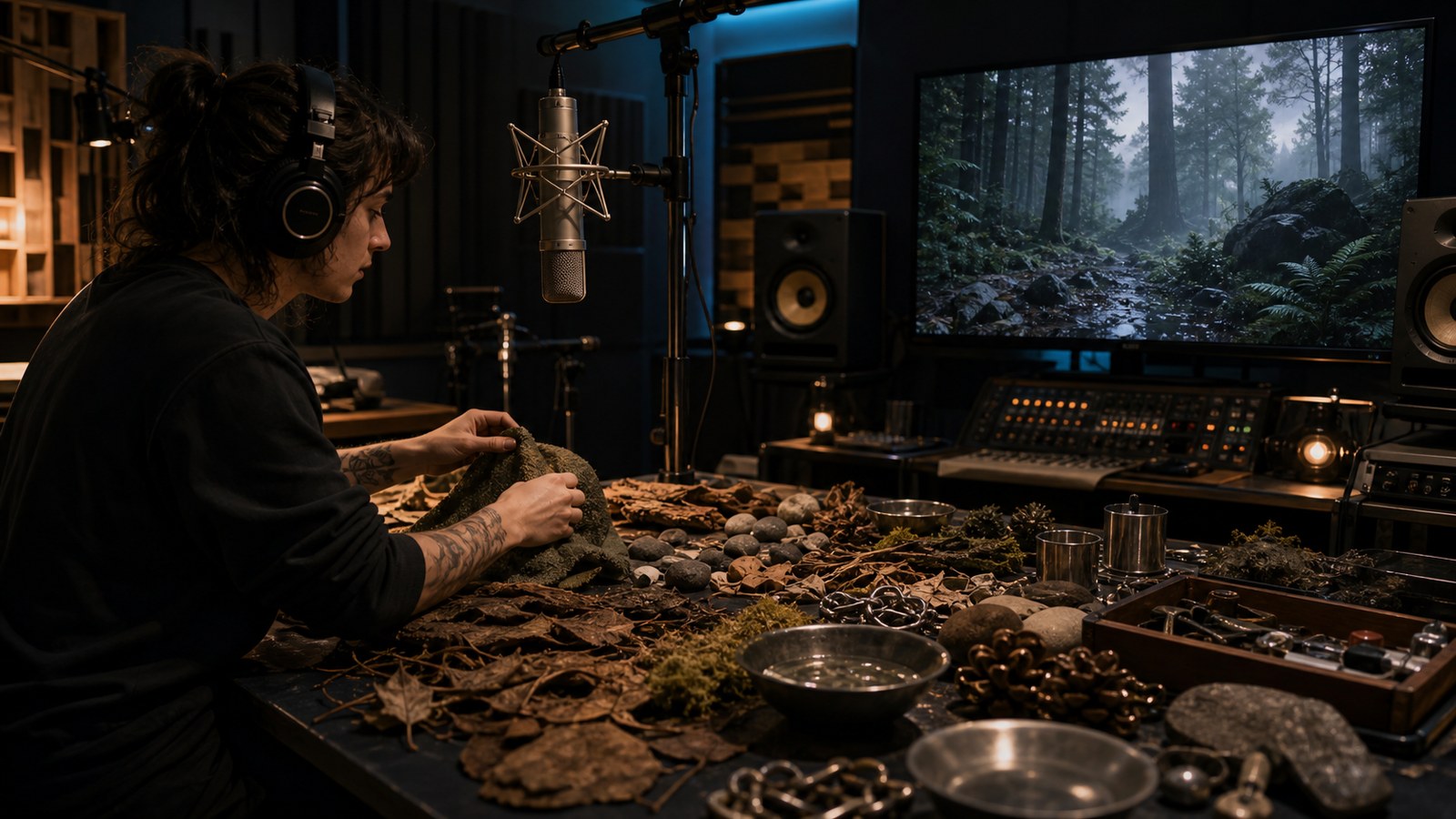
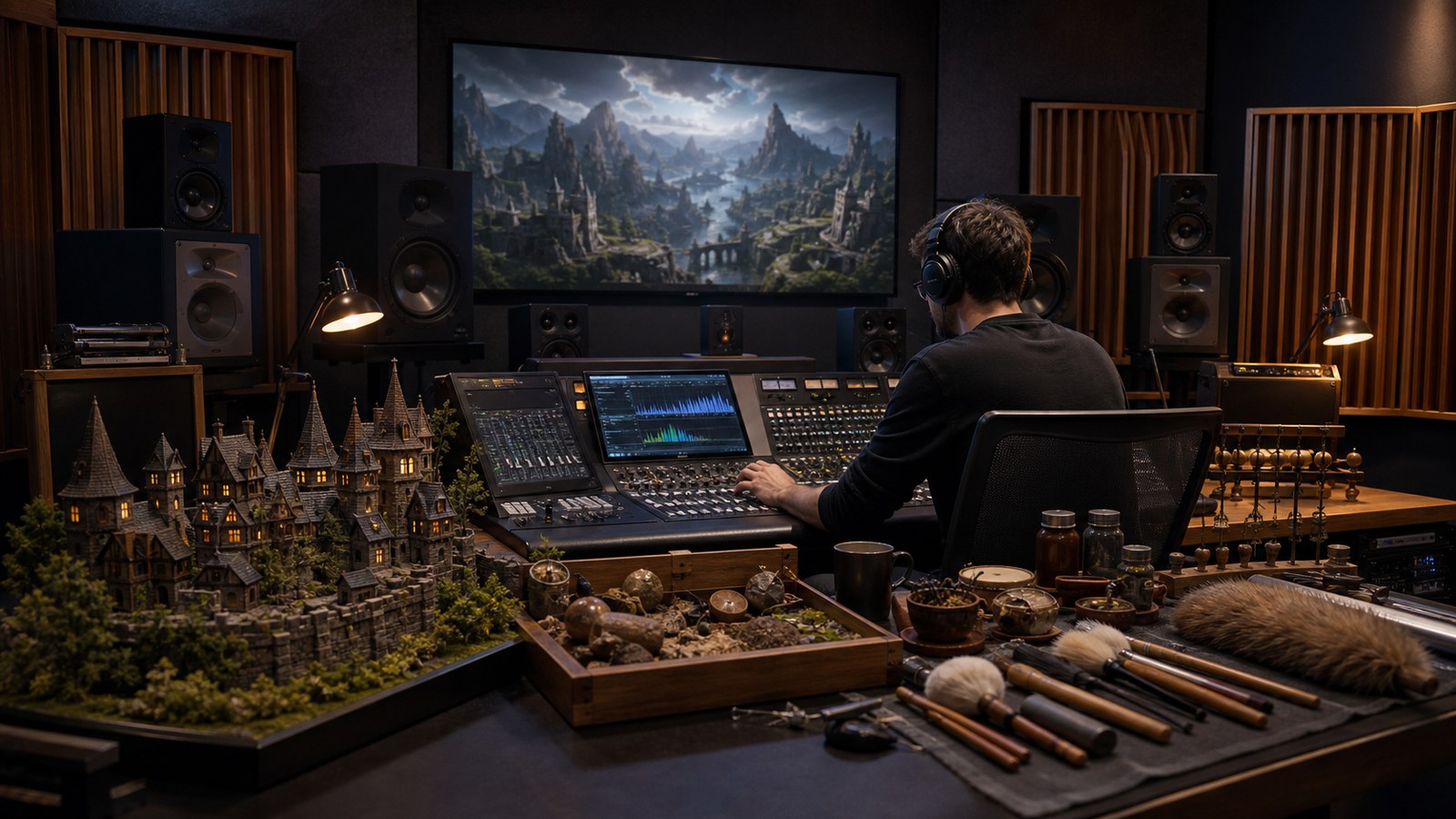
Game audio makes digital worlds feel alive through ambience, interaction sounds, music, voice, spatial cues, feedback, mixing, and adaptive systems.

Where Imagination Takes Shape
Game audio makes digital worlds feel alive through ambience, interaction sounds, music, voice, spatial cues, feedback, mixing, and adaptive systems.
Sound design creates game atmosphere through ambience, foley, spatial audio, silence, music integration, feedback, materials, tension, and emotional pacing.
The best fan-made expansions change games by adding new worlds, restoring cut ideas, improving balance, deepening stories, and extending community life.
Fan-made expansions let players extend existing games with new areas, quests, mechanics, stories, art, balance changes, and community-built worlds.
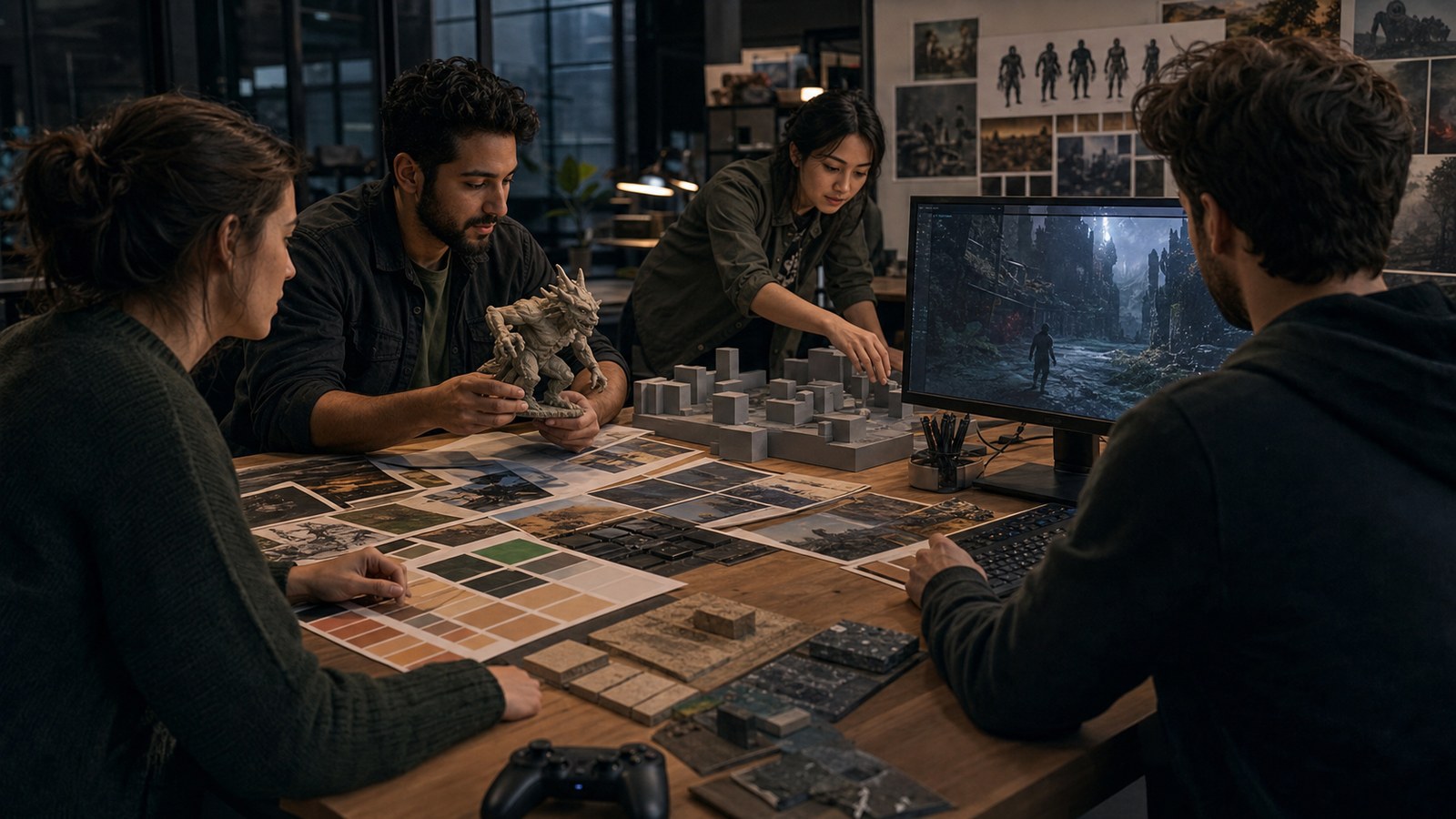
Game art collaboration works when 3D artists, designers, and developers share goals, constraints, reviews, tools, handoffs, and player-focused decisions.
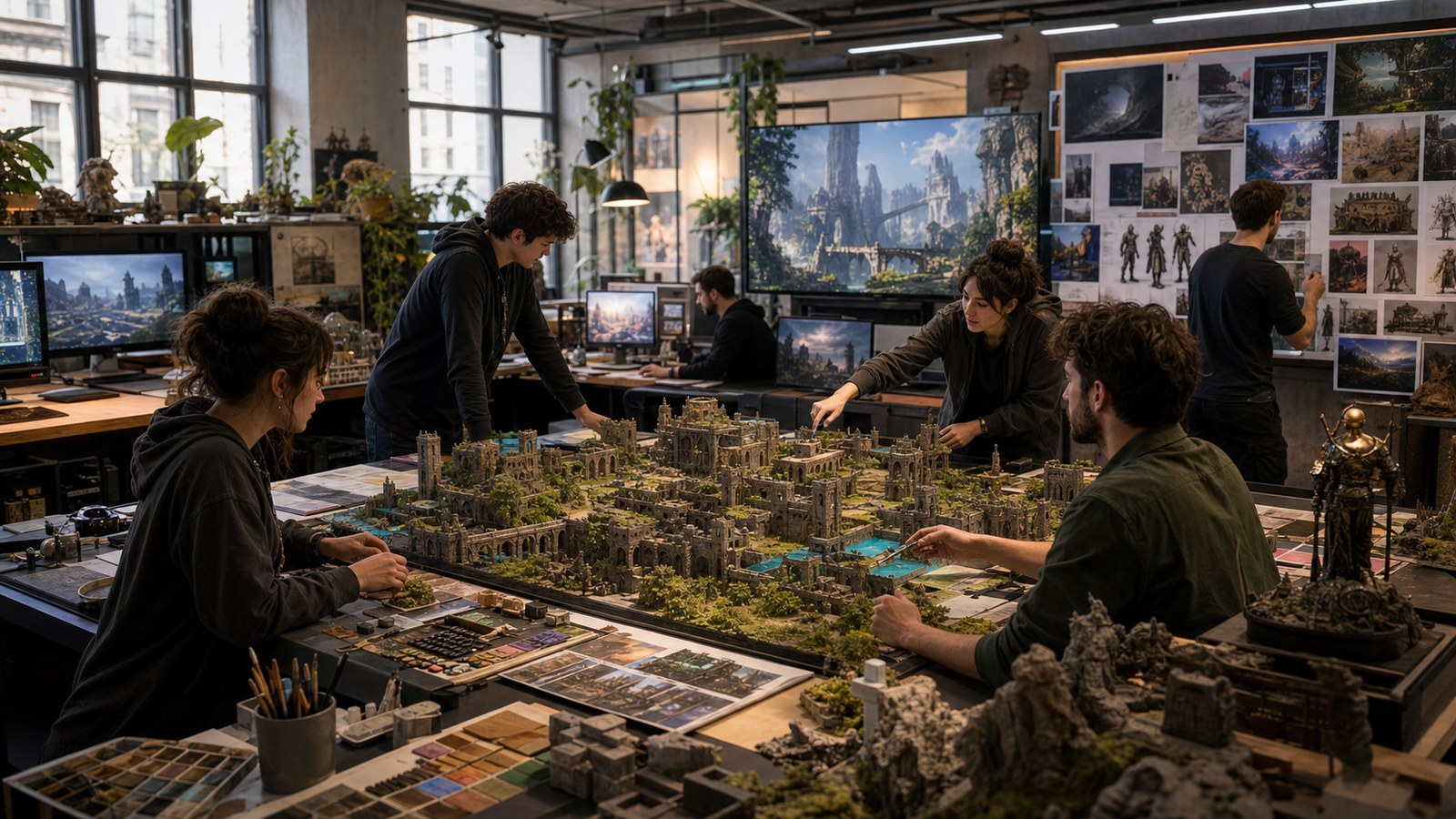
Game art teams build digital worlds through shared vision, concept art, environment modeling, materials, lighting, technical art, review, and iteration.
Beginner game engine tools make more sense when creators understand scenes, assets, scripting, physics, animation, lighting, UI, builds, and debugging.
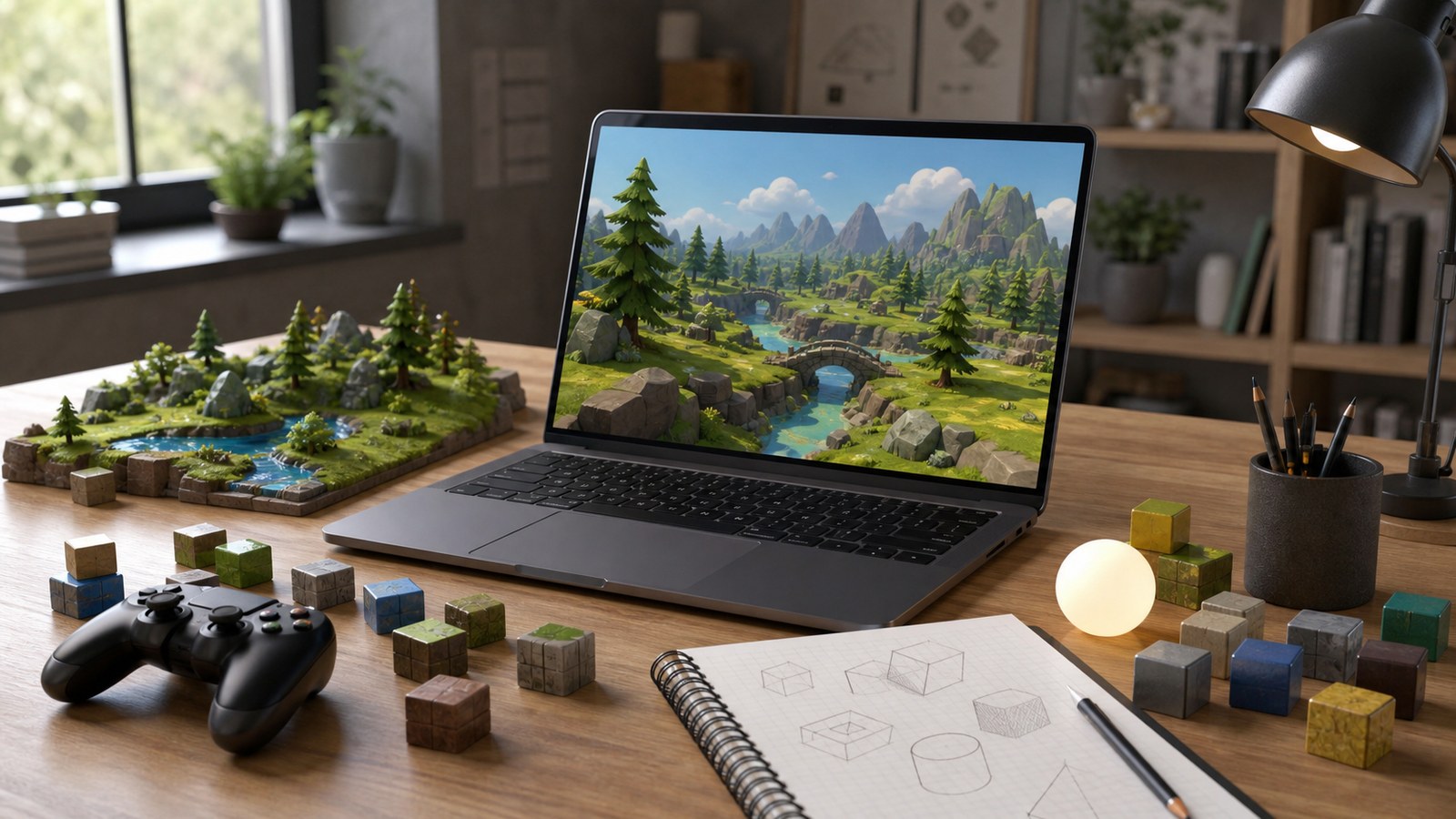
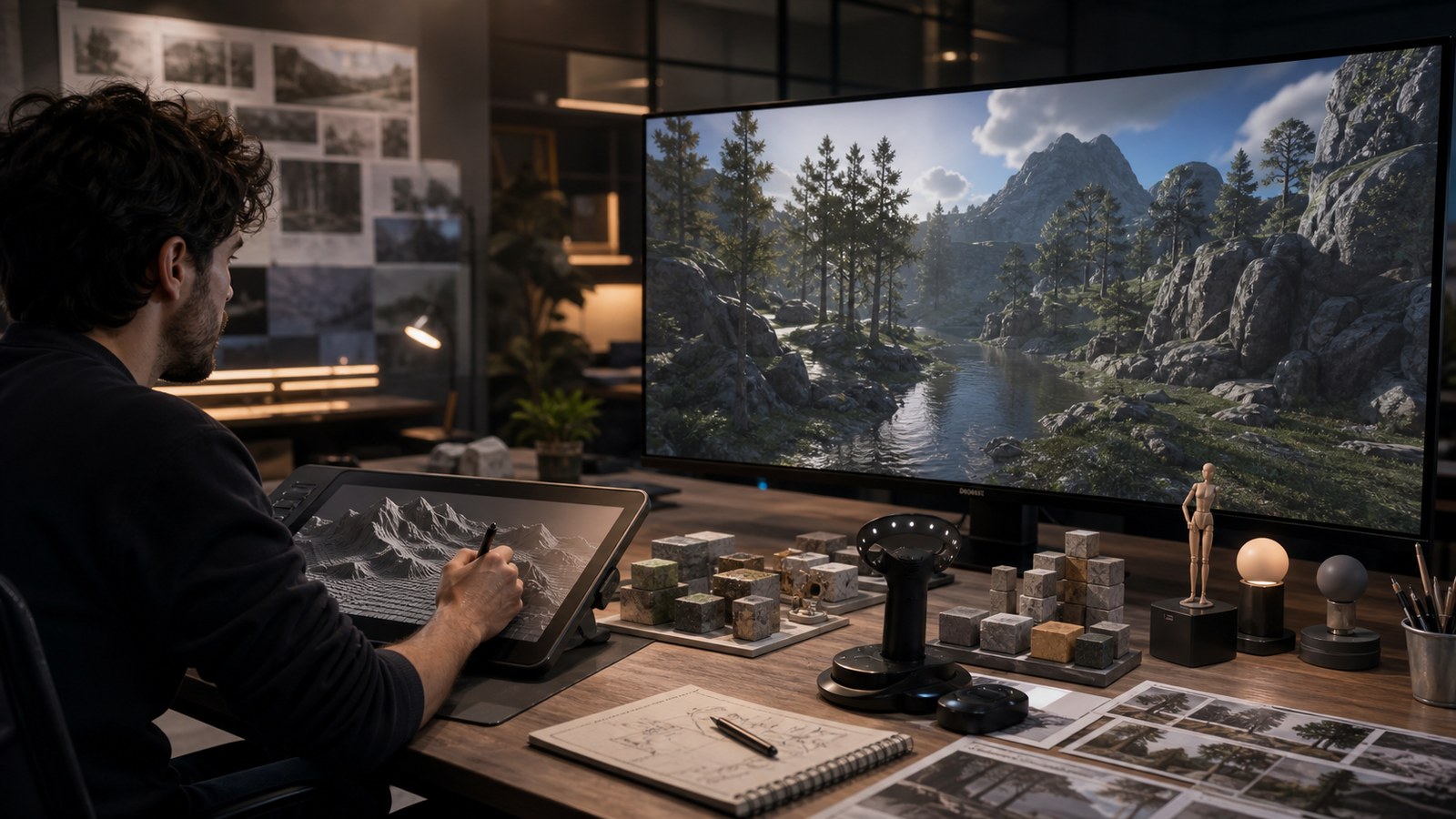
The best game engine tools help teams build 3D worlds with terrain, lighting, physics, assets, scripting, animation, profiling, and collaboration.
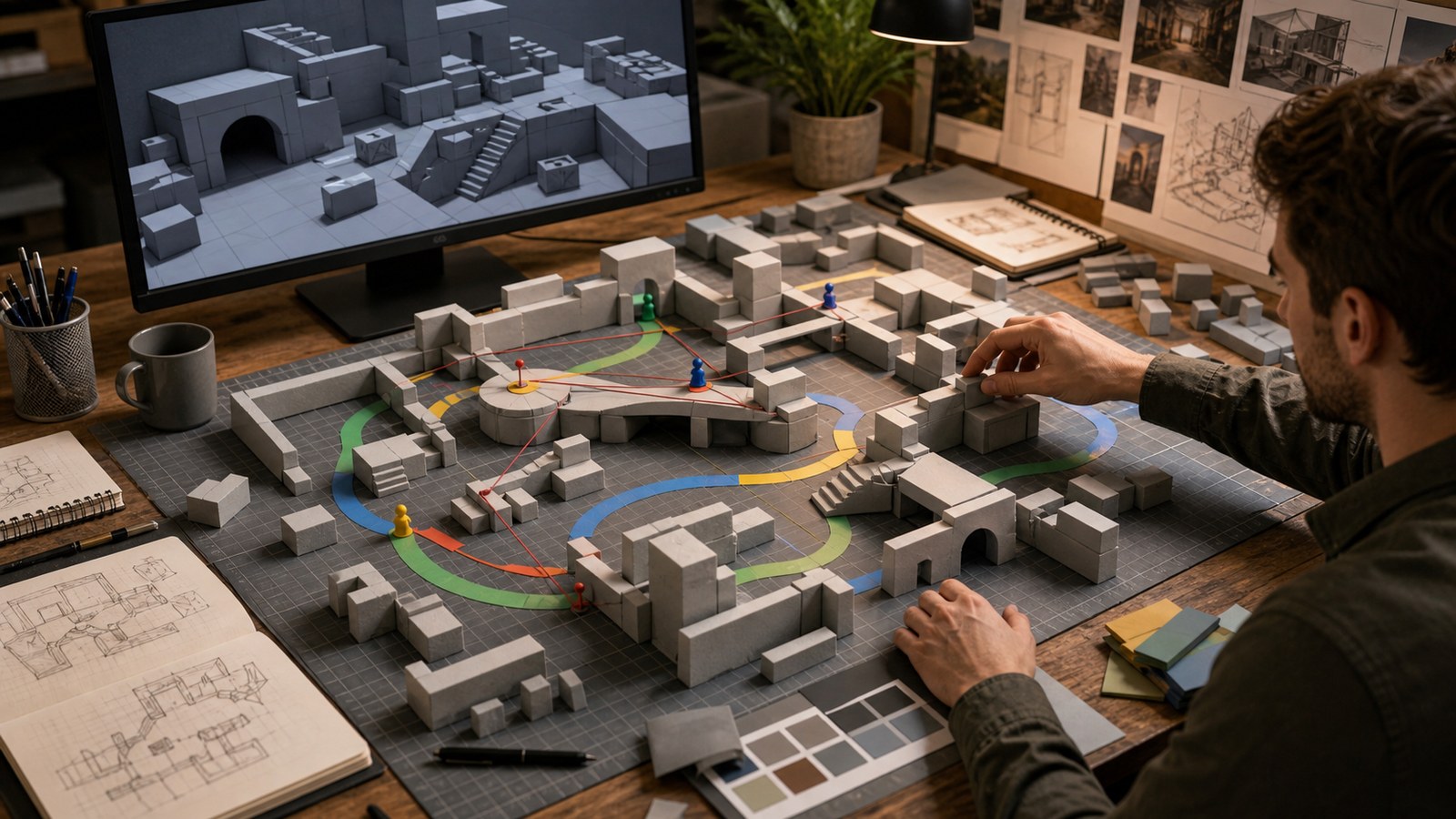
Engaging game levels keep players moving through clear goals, readable choices, pacing shifts, rewards, friction, and memorable spatial moments.
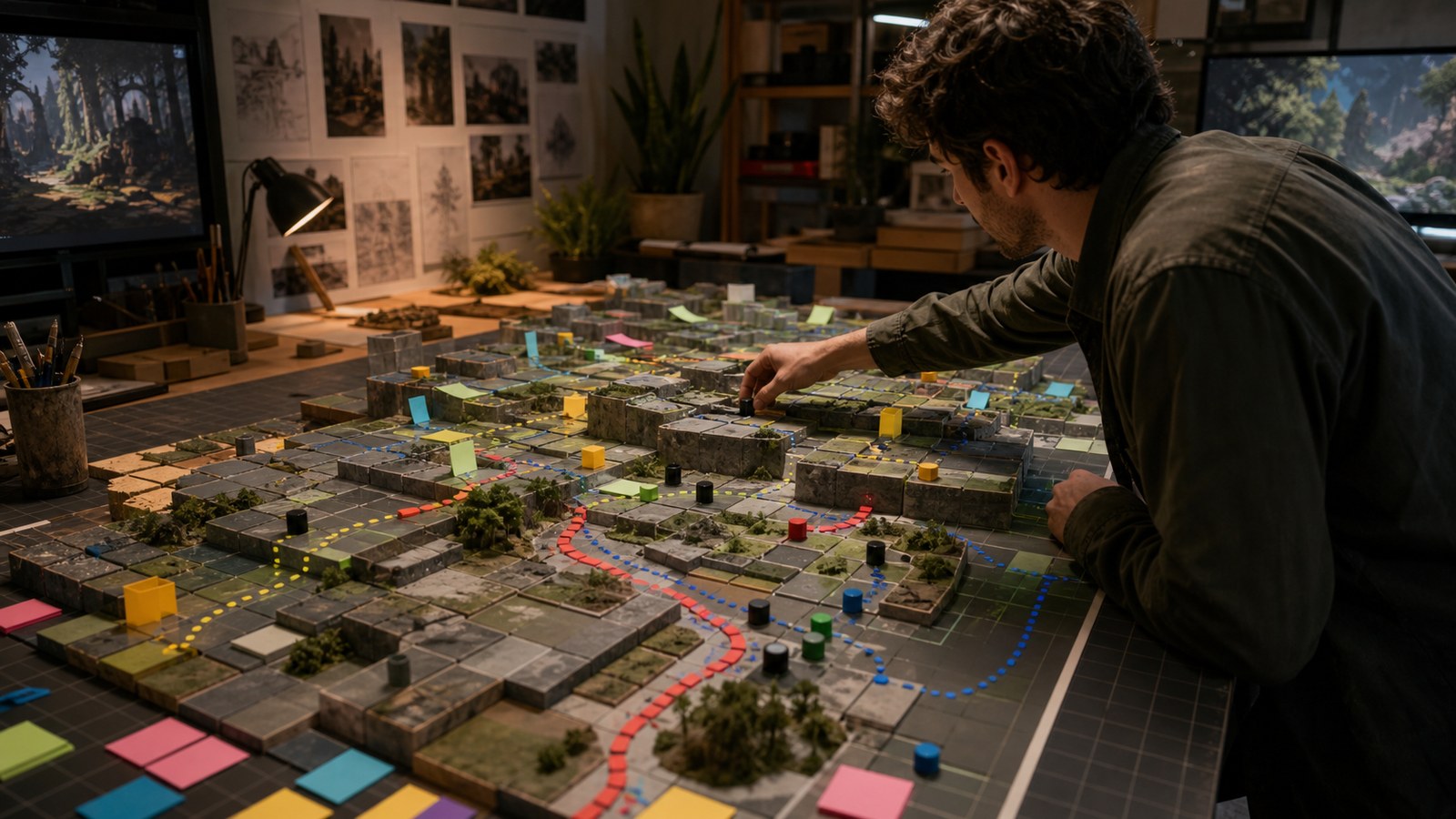
Strong level design uses goals, flow, contrast, landmarks, pacing, encounters, shortcuts, and feedback to turn spaces into playable experiences.
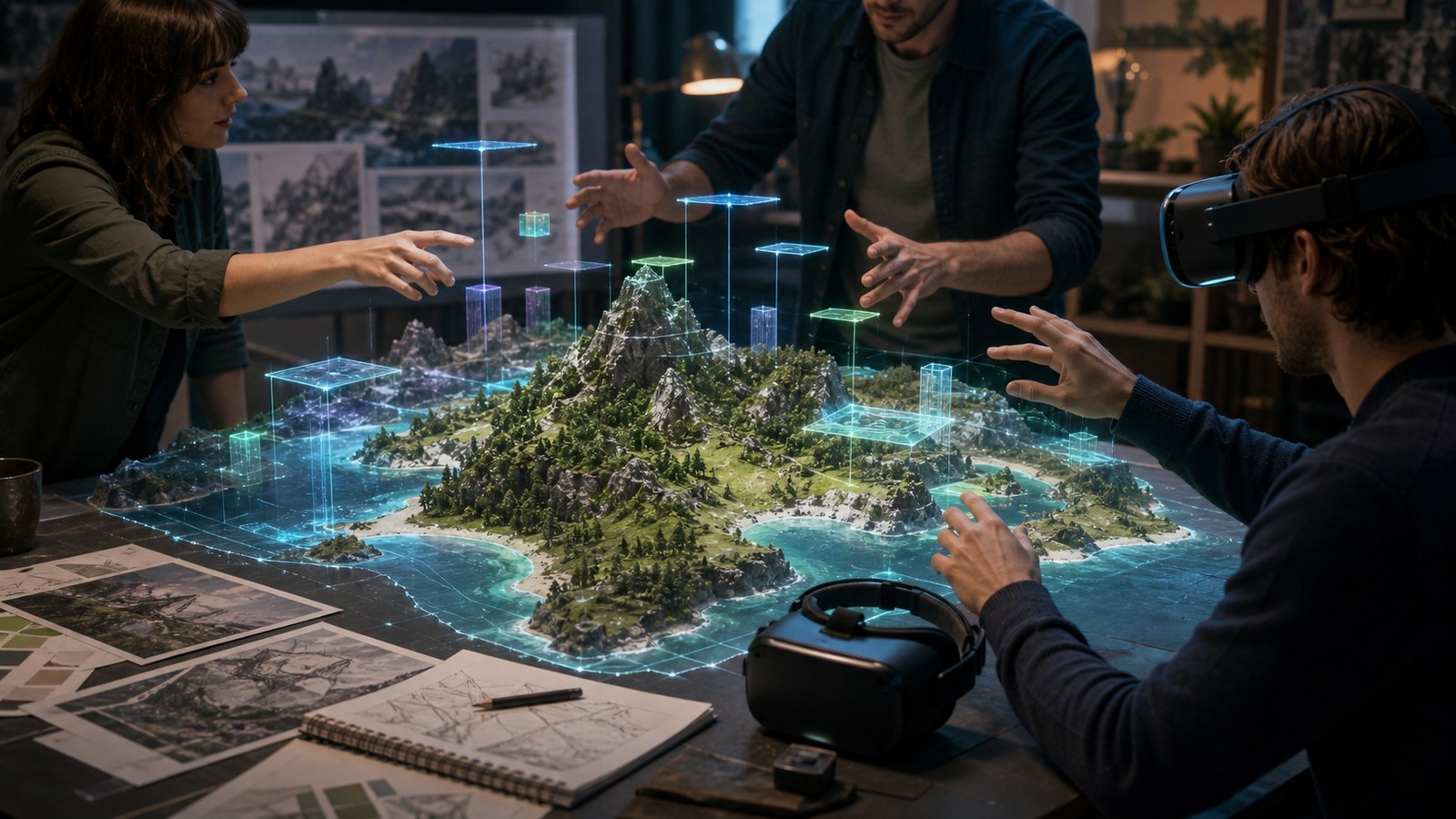
VR worldbuilding turns digital spaces into places players want to inhabit through scale, curiosity, routes, atmosphere, interaction, and embodied discovery.
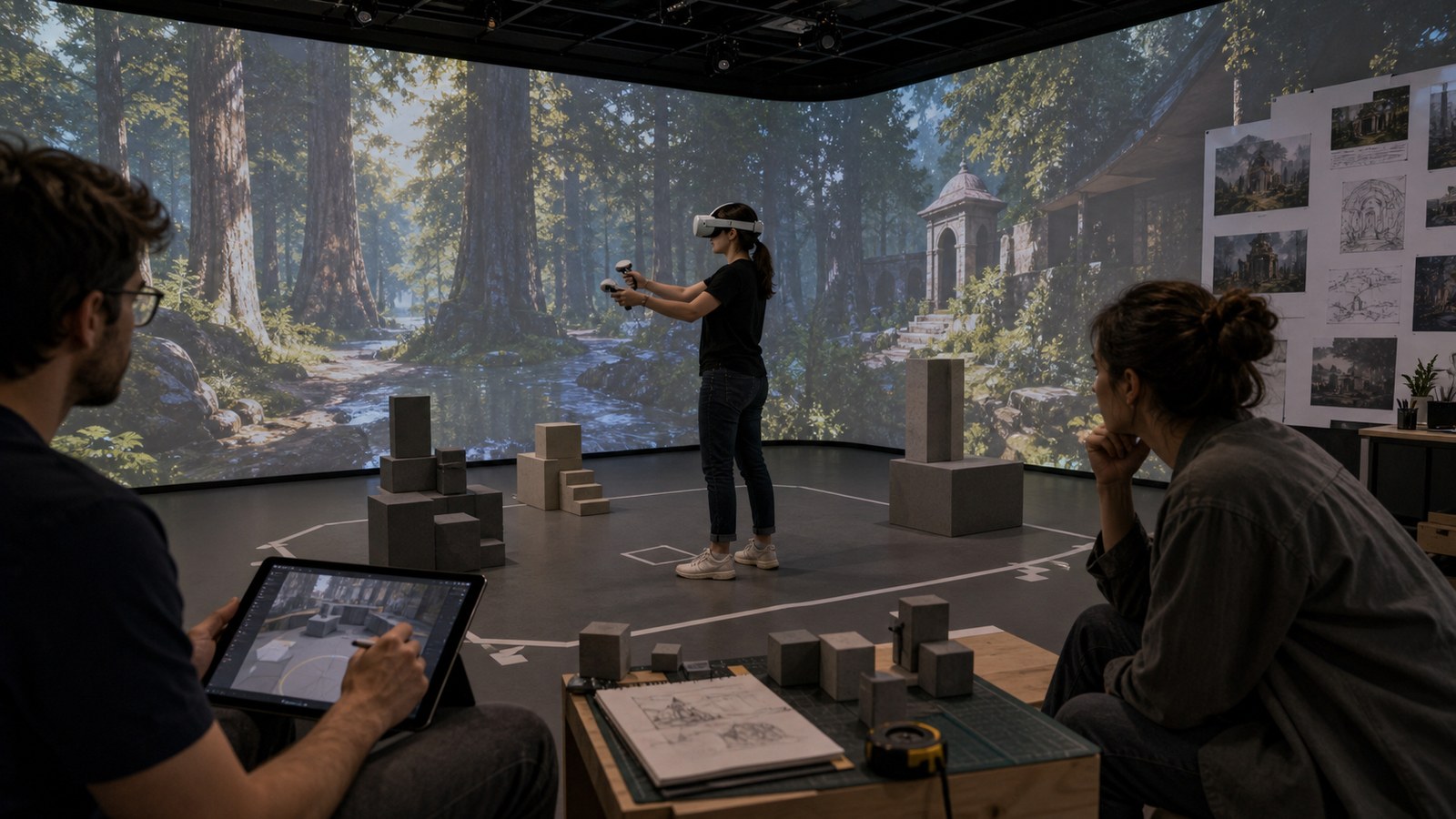
Immersive VR worlds depend on comfort, scale, interaction, spatial audio, readable movement, and environments that respond naturally to the player.