Visual Style in Game Design: How Art Direction Shapes Player Experience
Visual style shapes how players read space, feel emotion, understand systems, and remember a game long after play ends.

Where Imagination Takes Shape
Visual style shapes how players read space, feel emotion, understand systems, and remember a game long after play ends.
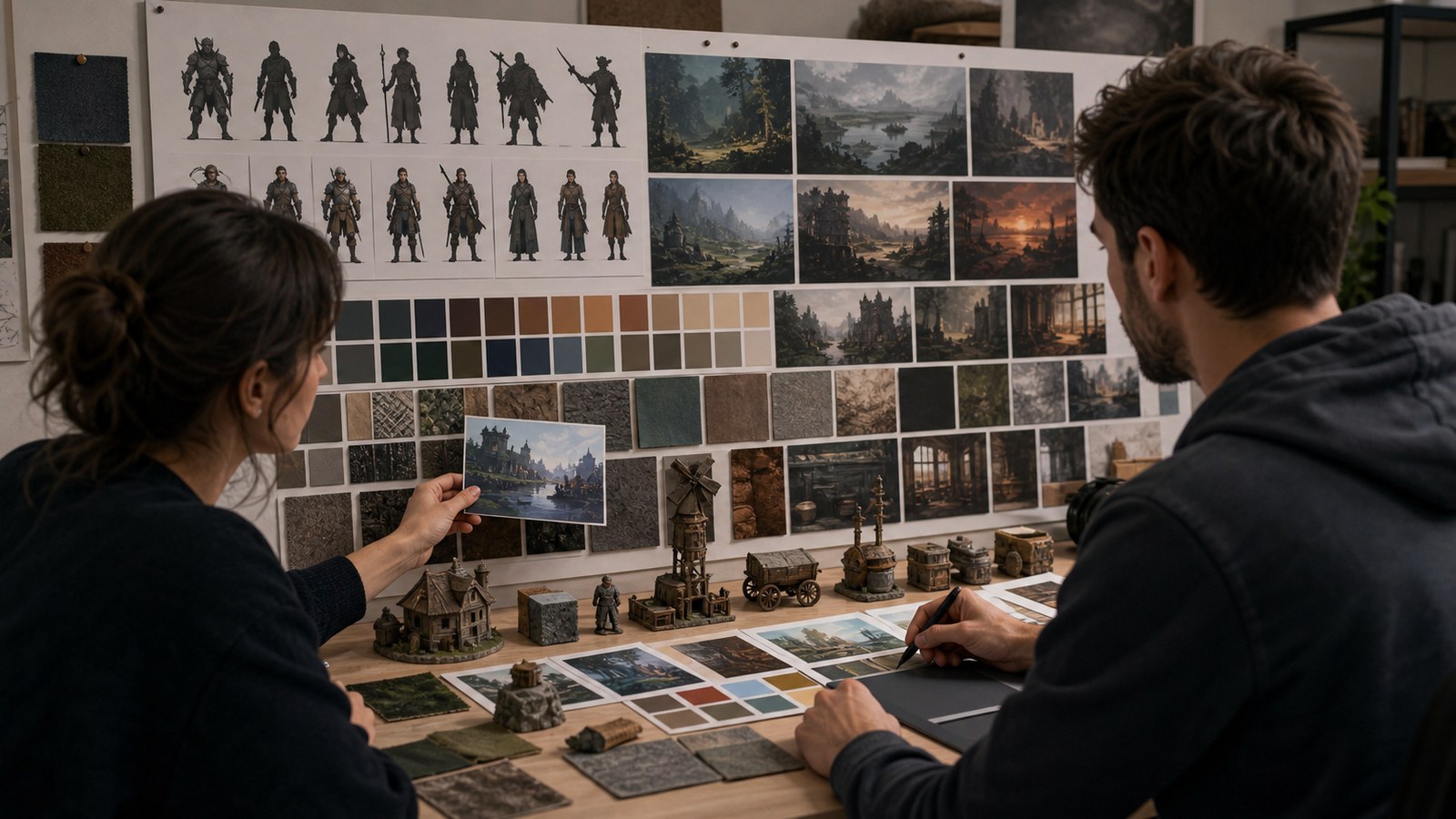
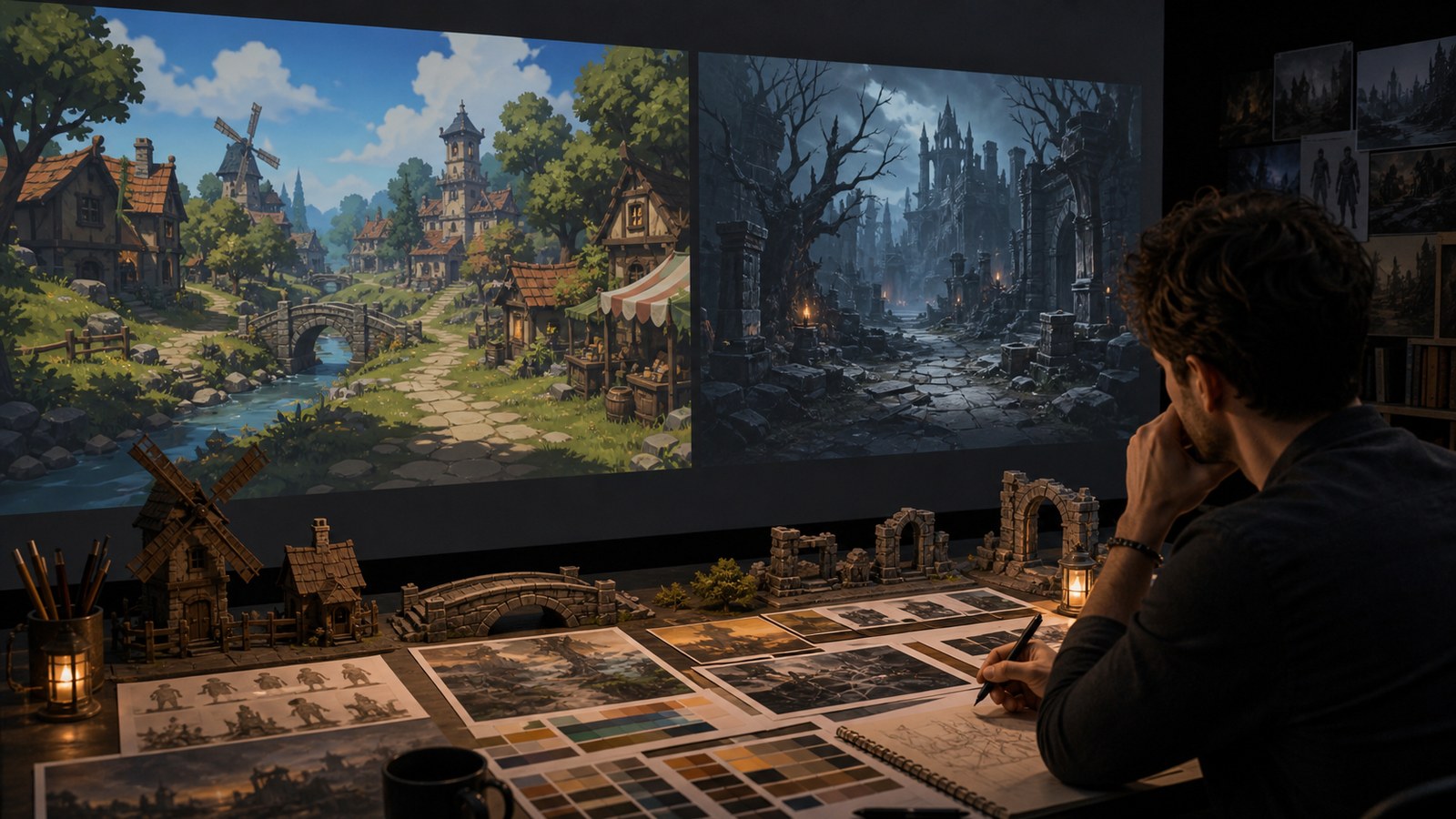
A clear visual style gives a game team shared rules for color, shape, materials, lighting, UI tone, and asset decisions before production scales.
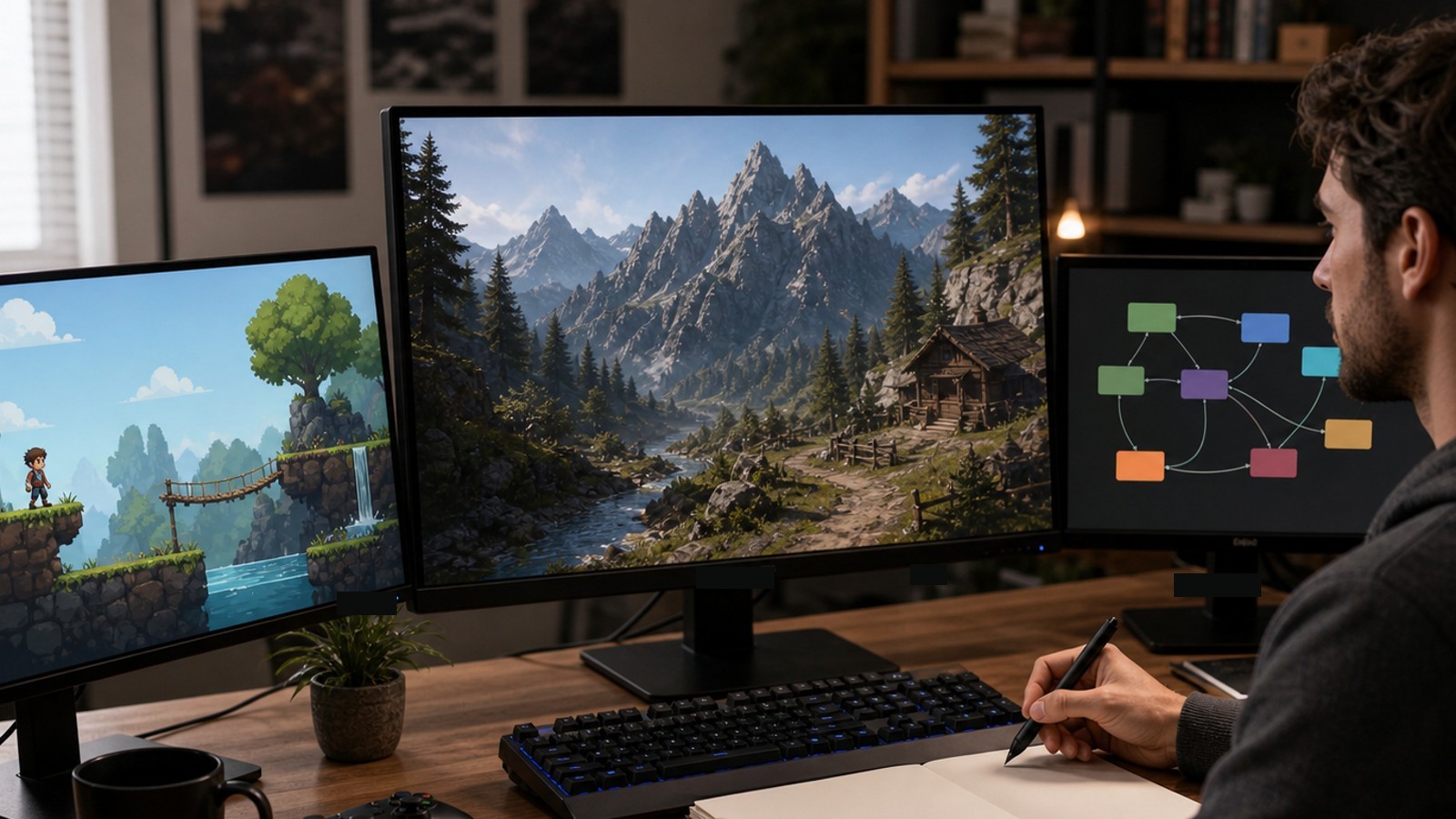
The best indie game engine depends on project scope, team skill, platform goals, rendering needs, workflow, licensing, and long-term support.
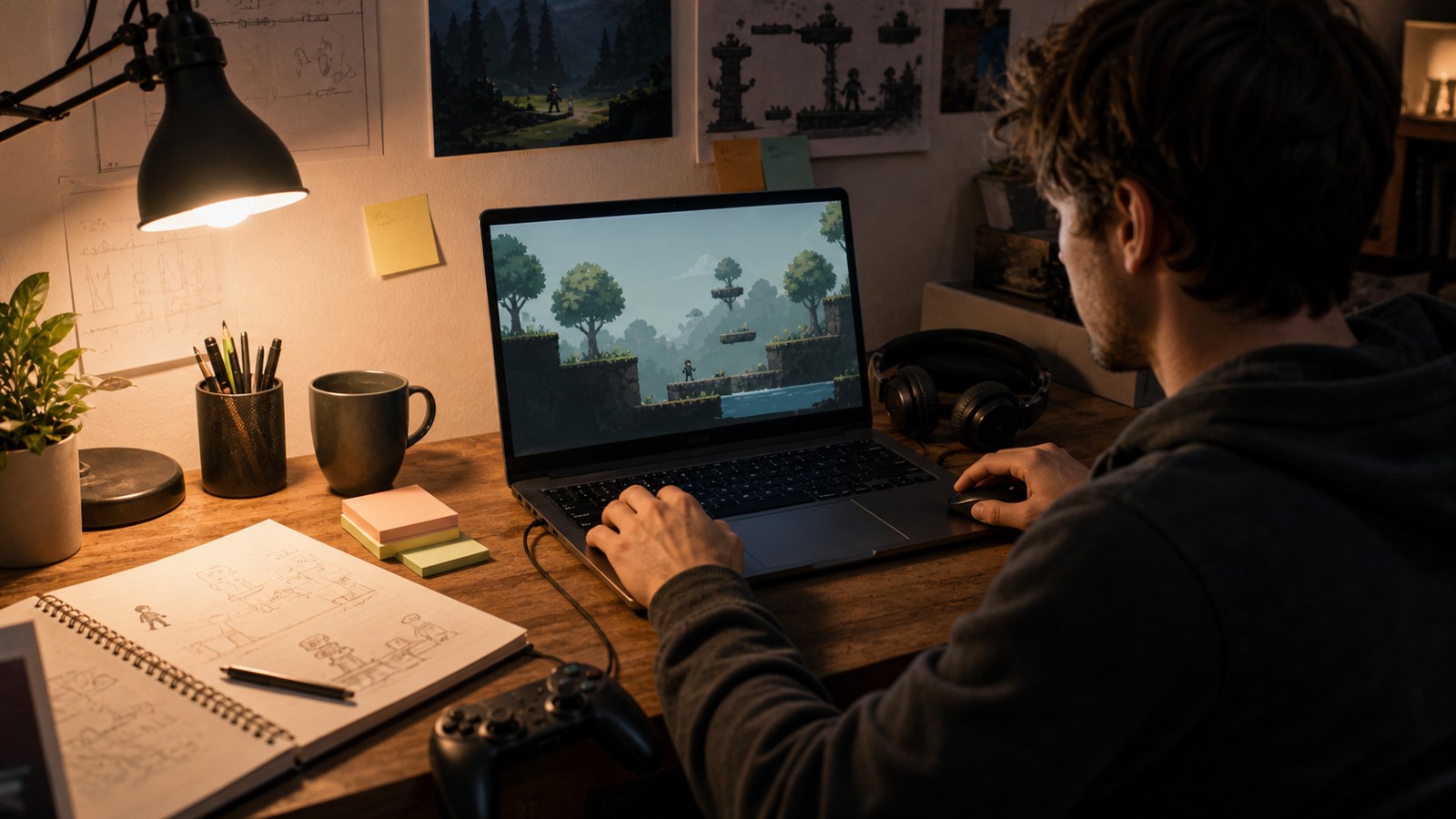
A first indie game can be built on a small budget when scope, tools, assets, testing, and launch goals stay focused.
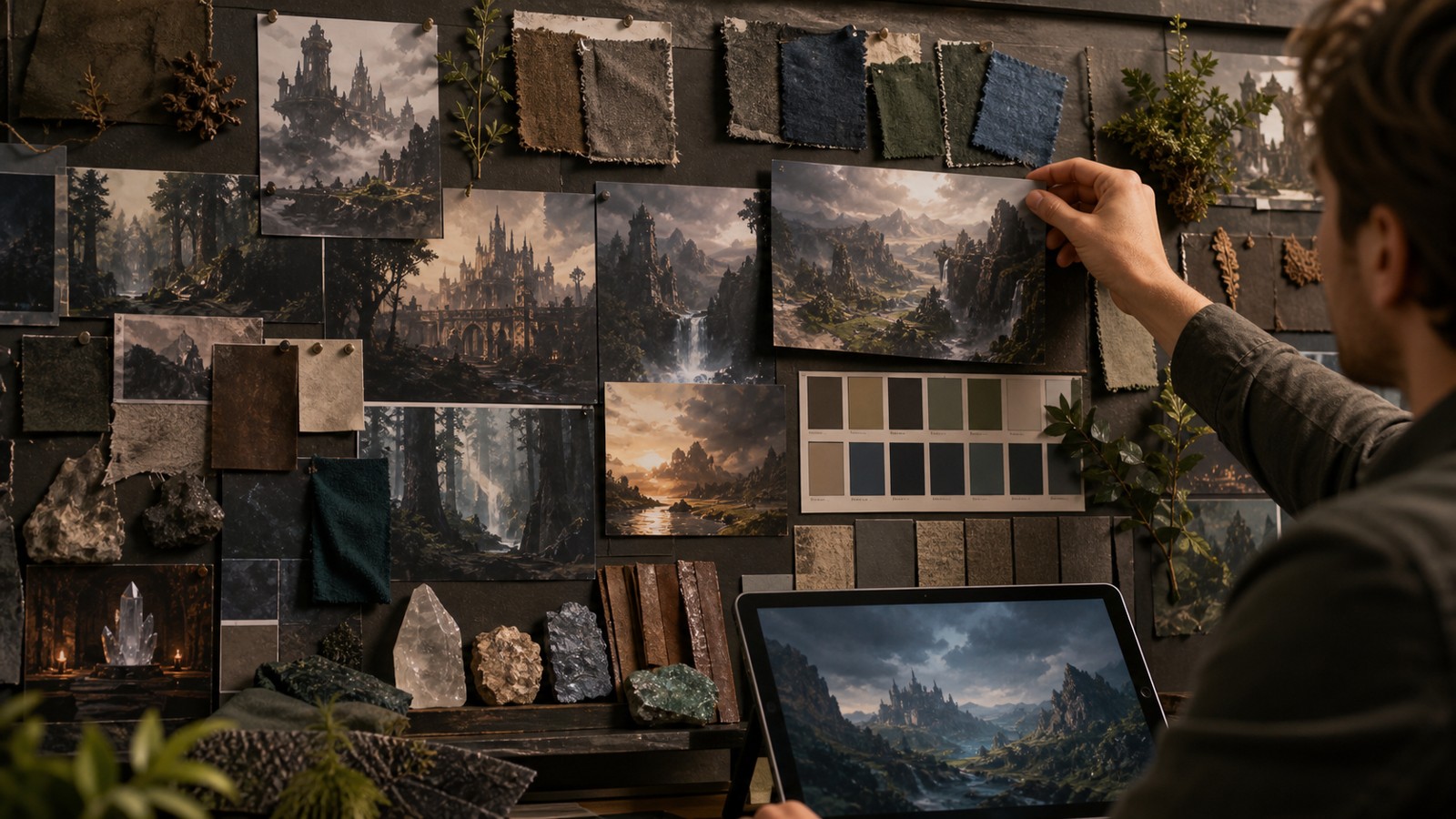
A fantasy game moodboard organizes atmosphere, materials, colors, cultures, creatures, and visual rules before production begins.
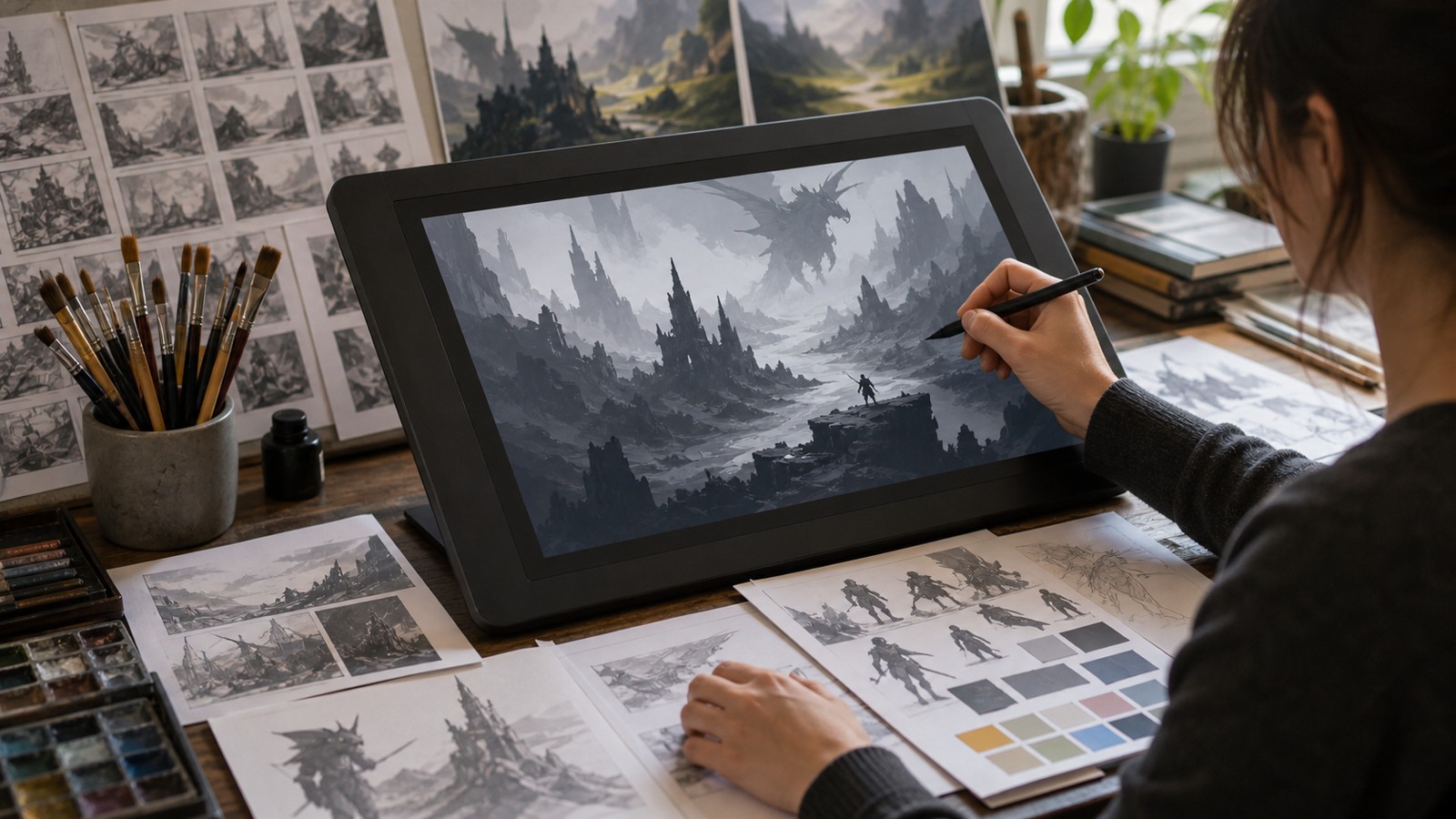
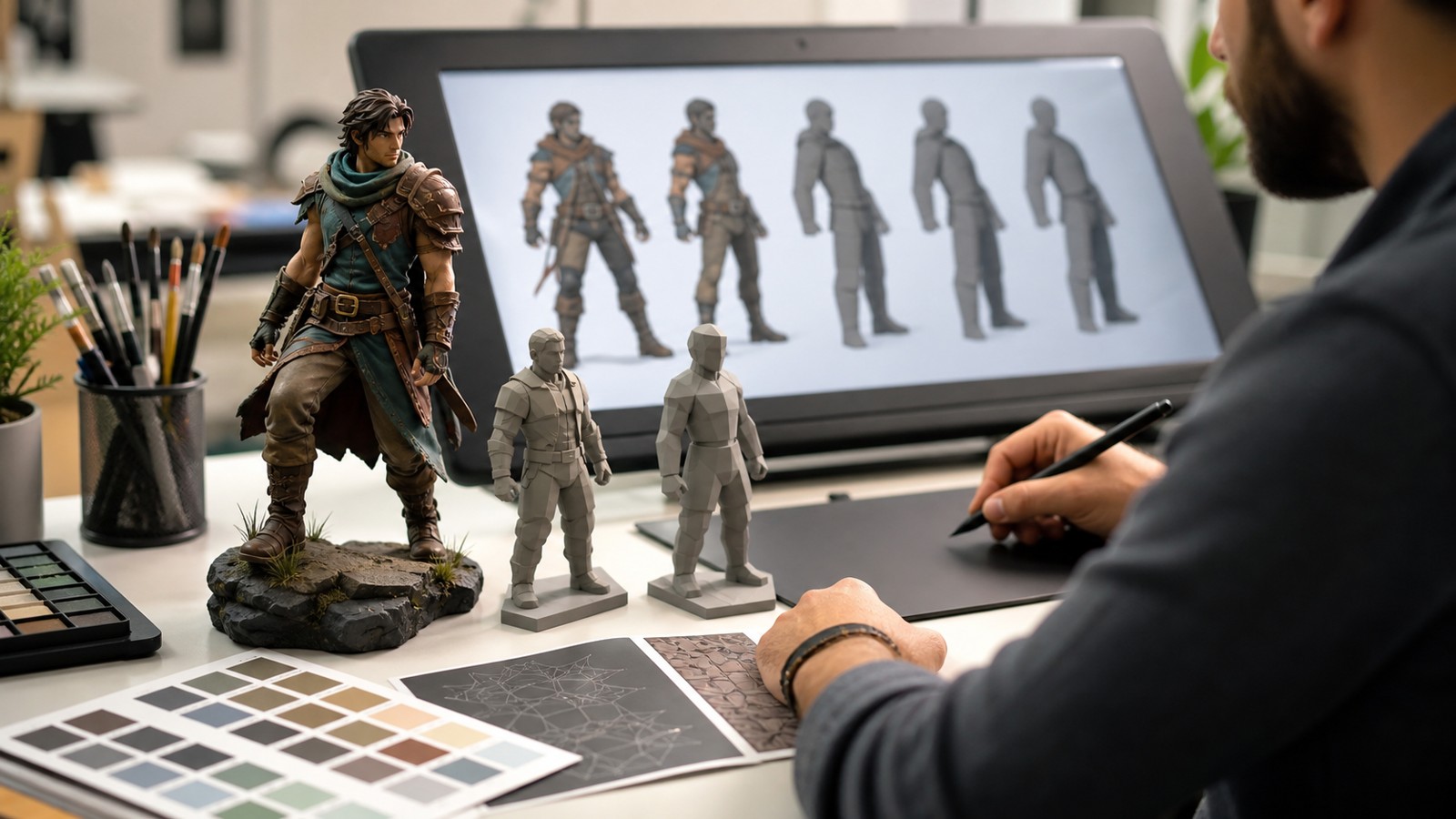
Game concept art helps turn loose ideas into usable visual direction for characters, worlds, props, mood, and production decisions.
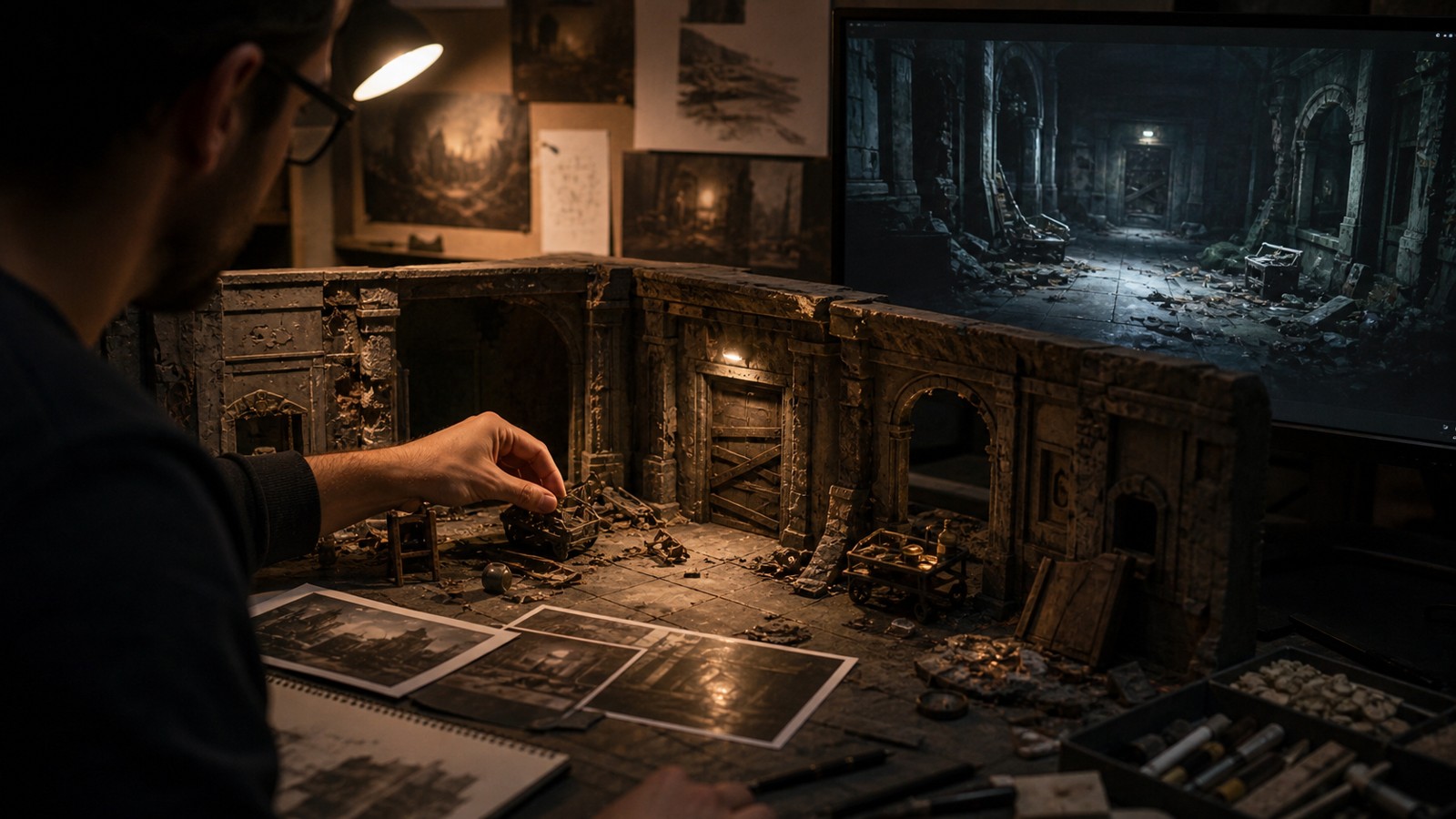
Subtle level storytelling lets players discover lore through spaces, props, routes, lighting, and environmental consequences.
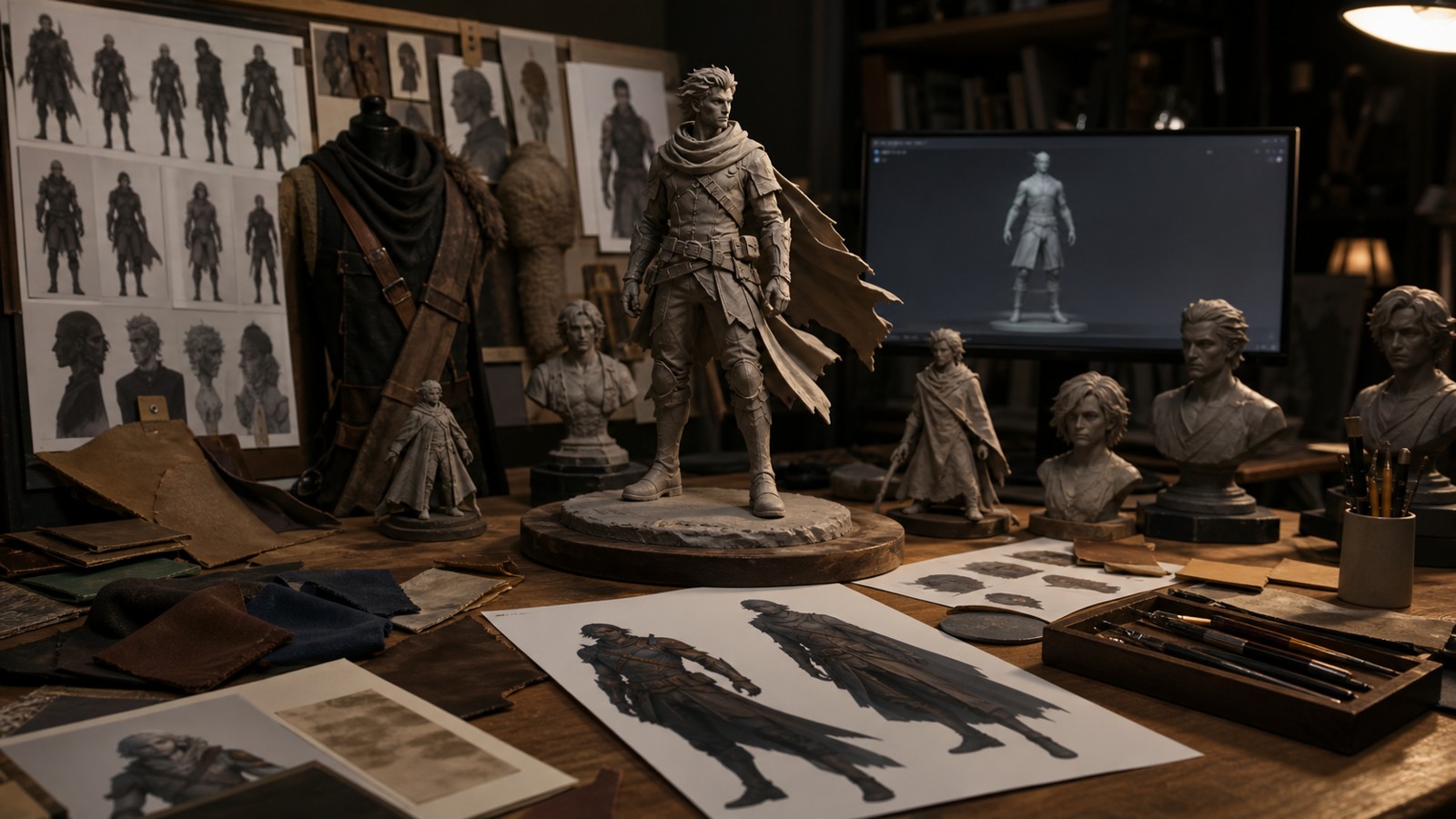
Iconic game characters are built through silhouette, personality, movement, visual restraint, and a design that players can remember instantly.
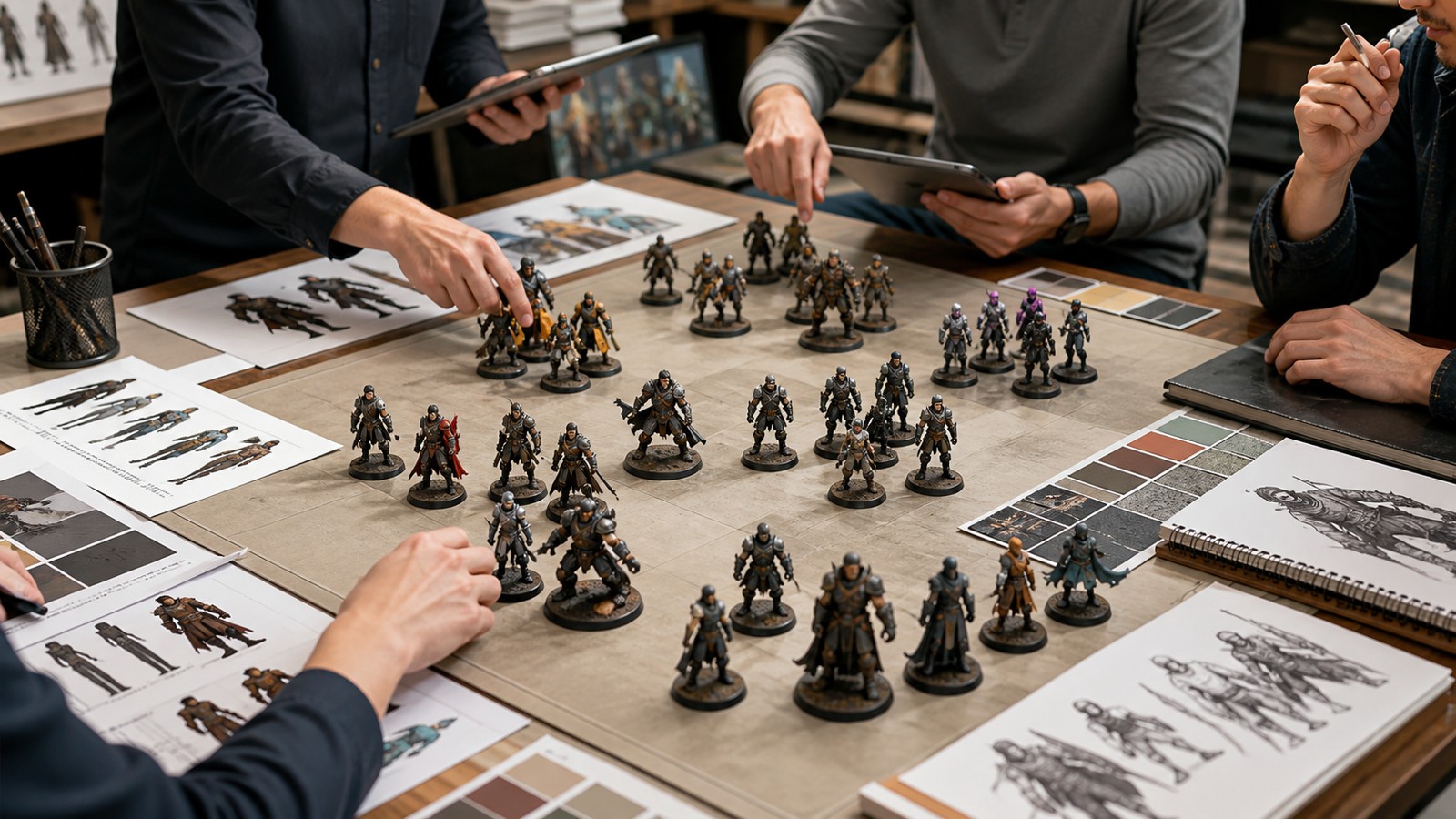
Multiplayer character design has to make every character feel distinct while keeping matches readable, fair, and balanced.
Mobile character design works best when artists protect personality, readability, and performance at the same time.
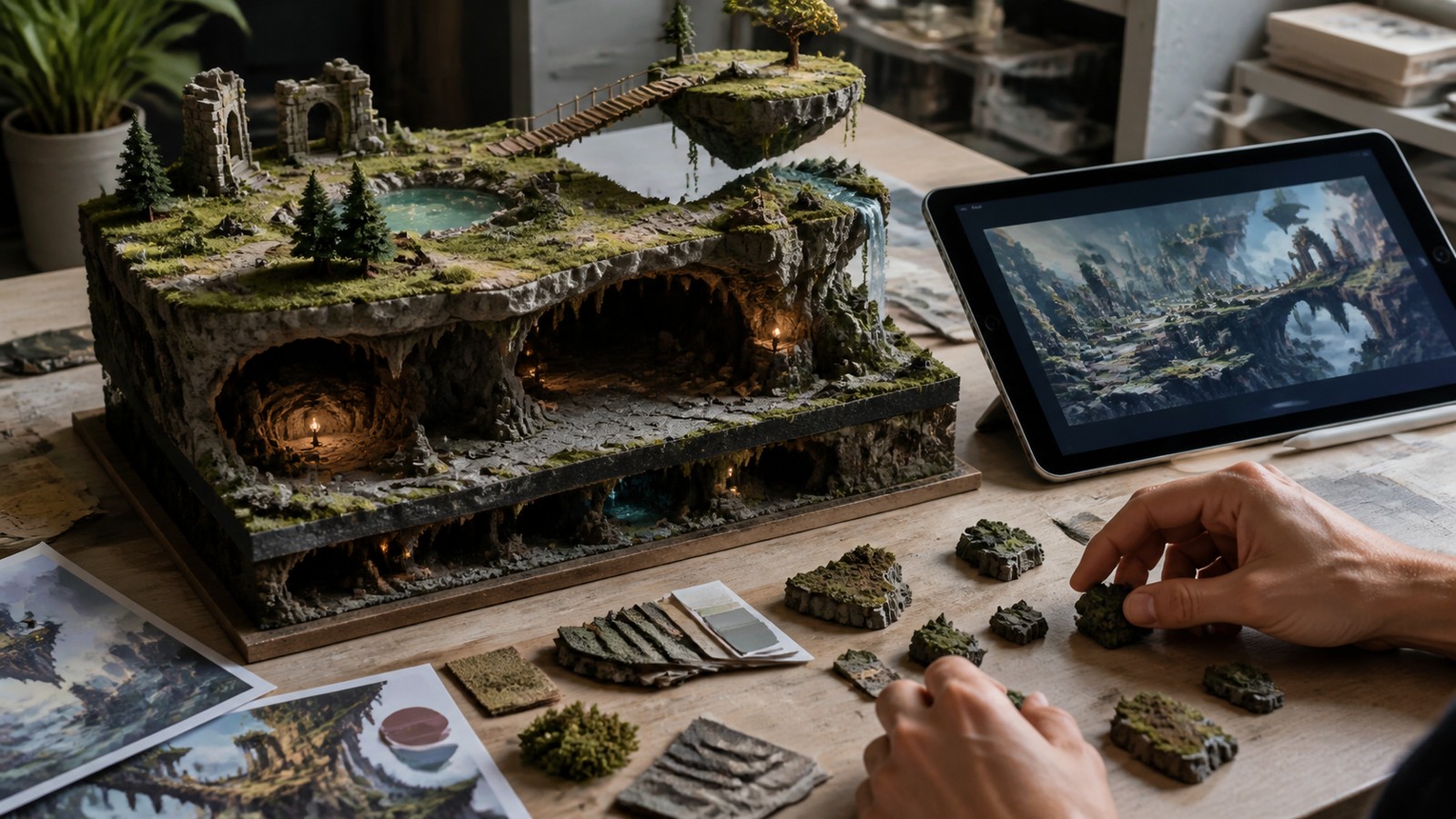
Multi-layered environments give game worlds vertical depth, letting players discover surface routes, underground secrets, and skyward possibilities.
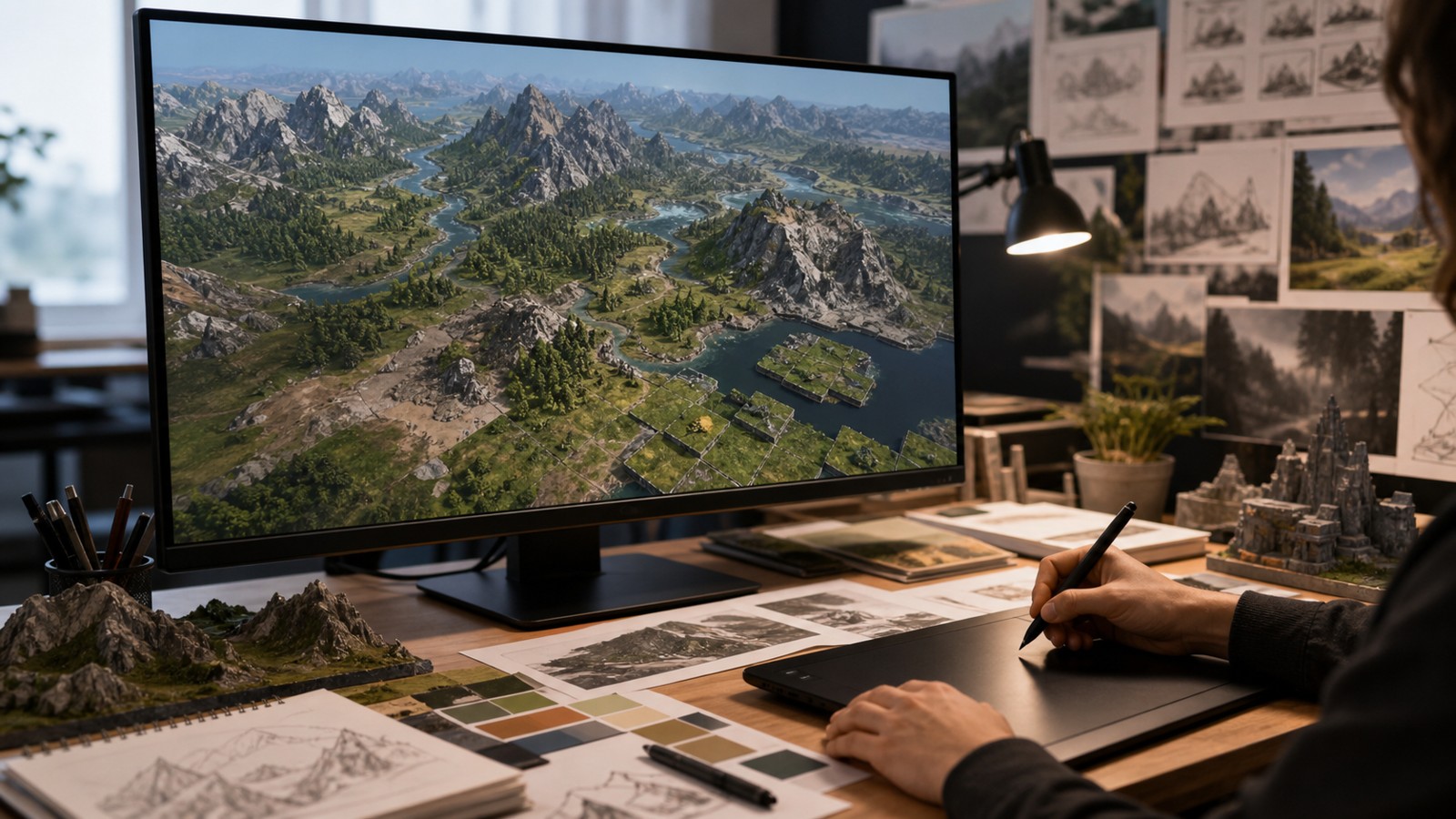
Procedural world generation helps game creators build larger, richer spaces by turning design rules into playable variety.