Why Top YouTuber Studios Feel Instantly Professional
The moment a polished YouTube video begins, viewers often notice the studio before they fully realize it. Something about the background feels intentional. The lighting looks clean. The framing feels balanced. The sound is sharp, the colors look controlled, and the creator seems completely at home in the space. That impression is not accidental. The studios of top YouTubers are built to support both performance and perception, shaping how audiences experience every second of content. What makes these studios especially interesting is that the magic rarely comes from a single expensive item. Professional-looking creator spaces are usually the result of smart layering. Top YouTubers think about visual depth, workflow, lighting consistency, sound control, and brand identity all at once. Some operate in large custom-built spaces, while others work in compact rooms that simply feel elevated because every detail has been considered. The real lesson is not that creators need massive budgets. It is that great studios are built with purpose.
A: Start with one small project that can be finished and reviewed.
A: Add detail after the main structure, scale, and read are working.
A: Use enough to answer form, material, style, and context questions.
A: Helpful feedback points to a clear problem and a possible next change.
A: Keep a must-have list and move extra ideas into a later version.
A: Clarity, lighting, scale, and a view that shows the strongest choices.
A: Use them when they solve a real problem, not because they look impressive.
A: Save versions before big changes and at every stable milestone.
A: Return to the original promise and fix the largest weakness first.
A: It is complete when it meets the goal clearly enough to share, play, display, or learn from.
The Best Studios Are Designed Around the Camera
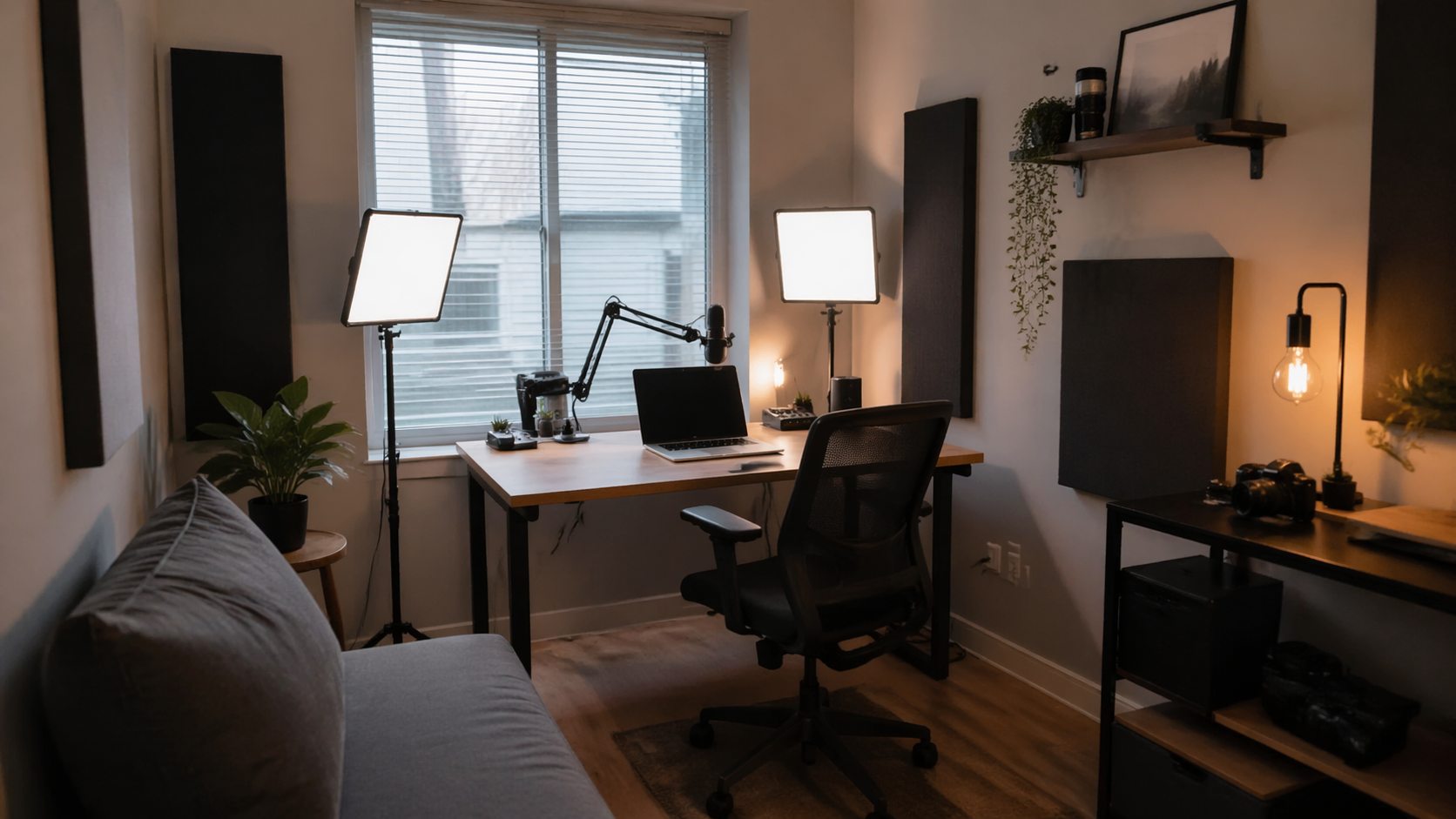
One of the biggest differences between an ordinary room and a high-performing YouTube studio is perspective. Top creators do not design their spaces only for real life. They design them for the camera. That means every angle is chosen with the final frame in mind. A studio might look simple in person but appear rich and layered on screen because shelves, lights, textures, and props are positioned exactly where the lens can use them best.
This camera-first thinking influences everything from furniture placement to wall décor. Instead of filling a room randomly, experienced creators build scenes. They understand that the background does not need to be busy to be effective. It needs to guide attention back to the subject while still adding character. A well-placed lamp, monitor glow, plant, shelf object, or acoustic panel can make the frame feel complete without looking cluttered. Top YouTubers know that a studio is not just a workspace. It is part of the storytelling.
Lighting Is the Foundation of a Pro Setup
If there is one studio element that separates amateur content from professional content most quickly, it is lighting. Top YouTubers treat lighting as infrastructure, not decoration. They do not rely on luck or whatever ceiling bulb happens to be overhead. They build controlled lighting setups that flatter the subject, maintain visual consistency, and add depth to the frame. Key lights are often soft and flattering, placed to illuminate the face evenly without washing out natural detail. Fill lighting is used carefully to reduce harsh shadows, while backlights or accent lights help create separation from the background. Many pro studios also use practical lights within the set itself, such as desk lamps, shelf lighting, or wall-mounted fixtures, to add atmosphere and realism. The result is a frame that feels dimensional instead of flat. Even creators on modest budgets can borrow this strategy, because good lighting is more about placement and consistency than flashy gear.
Backgrounds Are Built to Support a Personal Brand
Top YouTuber studios are memorable because they feel connected to the creator’s identity. Some are sleek and minimal. Others feel cinematic, tech-heavy, cozy, or colorful. In every case, the best studios communicate something about the person on screen before a word is spoken. The background becomes part of the brand.
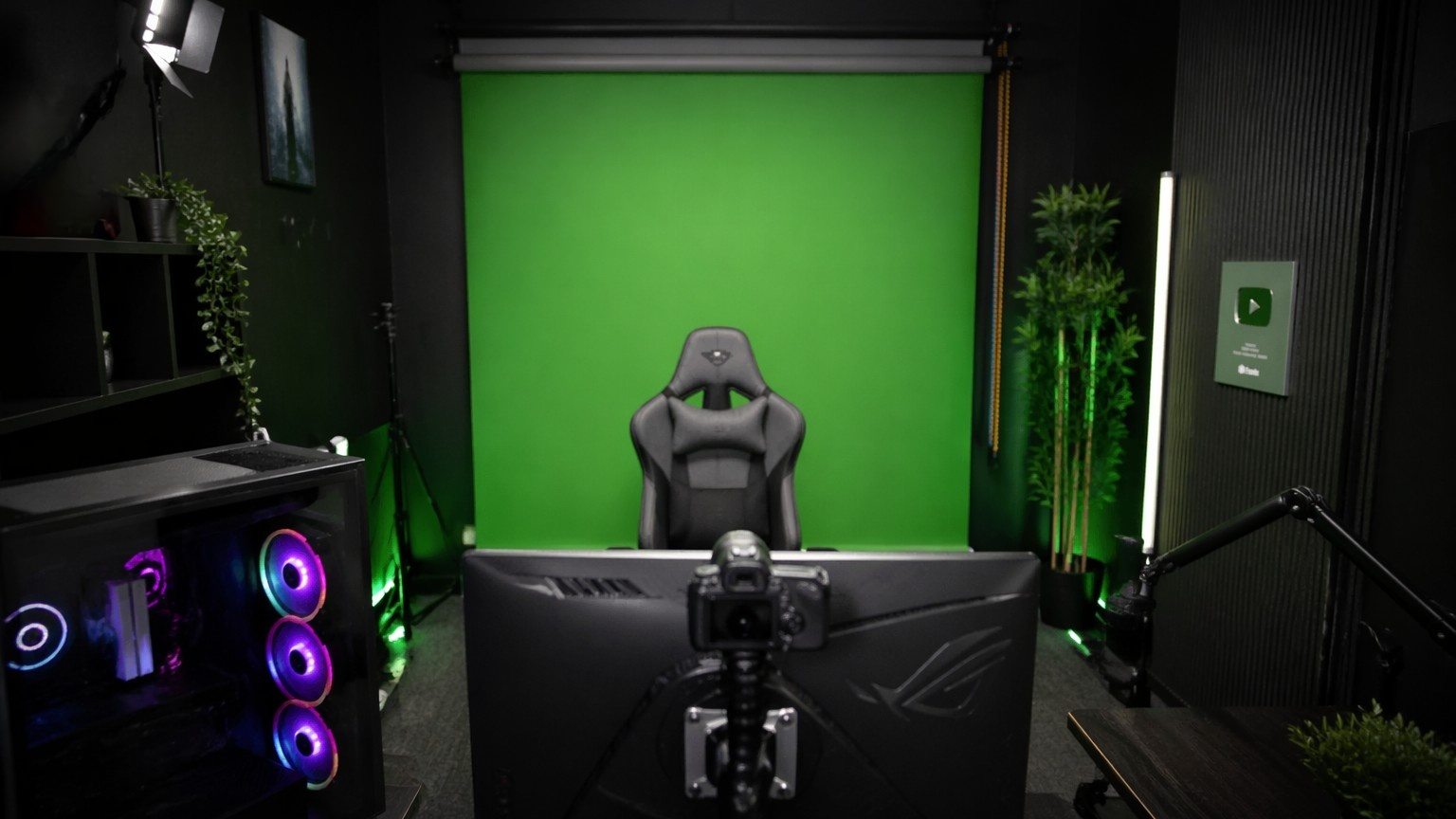
This is why successful creators rarely leave their backdrops to chance. They use shelves, textures, framed art, lighting accents, props, and furniture to create a visual signature. A gaming channel might lean into dramatic lighting and layered tech elements, while an educational creator may prefer a clean, confident backdrop with organized shelves and subtle color. Lifestyle creators often blend warmth and softness to make the space feel inviting. The visual language varies, but the principle stays the same: the studio should reinforce the tone of the content. A strong background is not simply pretty. It is strategic.
Audio Is Treated Like a Serious Priority
Many viewers will tolerate imperfect visuals longer than they will tolerate weak audio. Top YouTubers understand this, which is why the best studios are often designed with sound in mind from the beginning. A room can look incredible, but if it echoes, hums, or captures too much background noise, the final content suffers. Professional creators reduce hard reflective surfaces when possible, using rugs, curtains, upholstered furniture, and acoustic treatments to soften the room. They position microphones thoughtfully and avoid placing workstations where outside noise becomes a constant issue. Some use dedicated sound panels, but many simply improve the acoustics of the room through smart layout decisions. What matters most is control. Great studio sound is rarely about making a room completely silent. It is about reducing distractions so the voice feels focused, clear, and present.
Workflow Shapes the Studio More Than Most People Realize
The most polished creator studios are not only beautiful on camera. They are efficient behind the scenes. Top YouTubers build setups that reduce friction during filming, editing, streaming, and recording. Cameras are positioned where they can stay ready. Lighting is easy to adjust. Microphones are mounted for quick use. Storage keeps frequently used gear accessible. Editing screens, charging stations, memory cards, and accessories all have a place.
This practical logic matters because content creation is repetitive work. A studio that looks stunning but is frustrating to use will slow production and reduce consistency. Professional creators often invest just as much energy into what the audience does not see as what they do see. Their goal is to remove small obstacles that drain time and attention. When the workflow is smooth, they can focus more on performance, ideas, and quality. That is one reason pro studios feel so polished. They are designed for repeatable excellence.
Layering Creates Depth and Visual Richness
A common trait in top YouTuber studios is visual depth. The frame rarely feels flat. There is usually a subject in the foreground, a carefully styled middle ground, and a background with texture or lighting that adds atmosphere. This layered look helps the video feel more premium, even when the room itself is not especially large. Depth can be created in simple ways. Moving the subject away from the background helps immediately. Adding shelf lights, practical lamps, or subtle color accents can make the rear of the frame feel more alive. Plants, desks, monitors, artwork, and textured surfaces all contribute to the sense that the environment extends beyond the creator. Top YouTubers use this intentionally because it creates separation and makes the image feel more cinematic. It also gives the audience more to enjoy without distracting from the main focus.
Top Creators Mix Clean Design with Personality
The most successful studio spaces often strike a careful balance between polish and character. If a studio is too empty, it may feel sterile. If it is too crowded, it can feel chaotic. Top creators know how to keep their spaces visually clean while still making them feel distinctive. That balance is one of the hardest elements to get right.
A professional studio usually includes a few standout elements rather than too many competing ones. This might be a signature wall color, a recognizable shelf arrangement, warm practical lighting, or a recurring visual motif that audiences begin to associate with the channel. The rest of the design stays disciplined. This is where many aspiring creators go wrong. They assume “professional” means adding more gear, more lights, more screens, or more props. In reality, top studios often feel refined because they know what to leave out.
Expensive Gear Is Less Important Than Smart Choices
It is easy to assume that top YouTubers achieve professional-looking setups only because they can afford better equipment. High-end gear can certainly help, but it is rarely the full story. Many creators built their most recognizable studios long before they had large budgets, using thoughtful lighting, clear audio, consistent framing, and intentional backgrounds to create a premium feel. The smartest creators understand diminishing returns. Upgrading a camera while ignoring bad lighting will not solve much. Buying an expensive microphone in a reflective room will not automatically produce clean sound. Professional results usually come from getting the fundamentals right before chasing luxury-level upgrades. That is why smaller creators can learn so much by studying top YouTuber studios. The real value is not in copying exact products. It is in understanding the decision-making behind the setup.
Different Niches Build Studios in Different Ways
Not all YouTube studios are built for the same purpose, and top creators adjust their spaces based on the content they produce. Tech creators often need desk-based layouts that support overhead shots, product close-ups, and multiple monitors. Commentary creators may focus more on face lighting, sound, and a recognizable seated background. Podcasters prioritize audio control and conversational framing. Tutorial channels need flexibility, with room for demonstrations, whiteboards, or work surfaces. Lifestyle creators often favor spaces that feel natural, warm, and integrated into everyday environments.
This niche-specific design is one reason successful studios feel so coherent. They are not trying to do everything equally. They are built to serve the content format that matters most. That does not mean the space cannot be versatile, but it does mean the creator knows what the studio must do best. The strongest setups are aligned with the creator’s actual production style, not just trends.
Studio Evolution Is Part of the Process
If you study top YouTubers over time, one thing becomes obvious: their studios evolve. Early versions may be simple, improvised, or limited by space and budget. Later versions often become more refined, more efficient, and more visually distinct. This progression is important because it shows that professional studios are not usually built in a single leap. They are developed through experimentation and improvement. Creators learn what works by filming repeatedly in the space. They notice where shadows fall, which parts of the background feel distracting, where sound reflections become noticeable, and which workflow issues waste time. Over time, they adjust. They move furniture, change lighting angles, replace clutter with stronger visual anchors, or redesign the room to better match their brand. The pro look is not just a product of money. It is a product of iteration.
What Creators Can Learn from Top YouTuber Studios
The biggest lesson from top YouTuber setups is that professionalism is built from systems, not shortcuts. A great studio combines visual design, technical control, and day-to-day usability. It supports the creator’s brand while also making the work easier to produce. It helps content feel more polished, more consistent, and more trustworthy.
For creators building or improving their own space, the best starting point is not to chase somebody else’s exact setup. It is to study why certain studios work so well. Notice how the lighting shapes the face. Notice how the background feels intentional but not overloaded. Notice how depth is created, how sound is controlled, and how the room supports a repeatable production process. When those principles are applied well, even a simple home setup can begin to feel remarkably professional.
The Future of Creator Studios Will Favor Flexibility
As content continues to evolve across long-form video, shorts, livestreams, podcasts, courses, and brand partnerships, creator studios are becoming more flexible. Top YouTubers increasingly build spaces that can serve multiple formats without losing visual consistency. A single studio may support seated videos, standing segments, product demos, remote interviews, and editing workflows all in the same footprint. This flexibility will likely become even more important as creators diversify their content. The most successful studios of the future will not just look beautiful. They will adapt quickly. They will allow creators to change angles, lighting moods, and formats without rebuilding from scratch each time. That is the direction many top YouTubers are already moving, and it offers a valuable model for creators at every level.
Final Thoughts
Inside the studios of top YouTubers, the real secret is not endless spending or flashy gear. It is thoughtful design. The pros build their setups around the camera, shape the frame with lighting, control sound, refine the background, and create workflows that support consistent production. Their spaces feel polished because every element is working together.
That is encouraging news for any creator. A professional-looking studio is not reserved for a select few. It is built step by step through smart choices, careful observation, and a clear understanding of what the audience sees and hears. When those pieces come together, even a modest home setup can begin to carry the same confidence, clarity, and visual appeal that define the best creator studios on YouTube.