
Entering the World of Miniature Craftsmanship
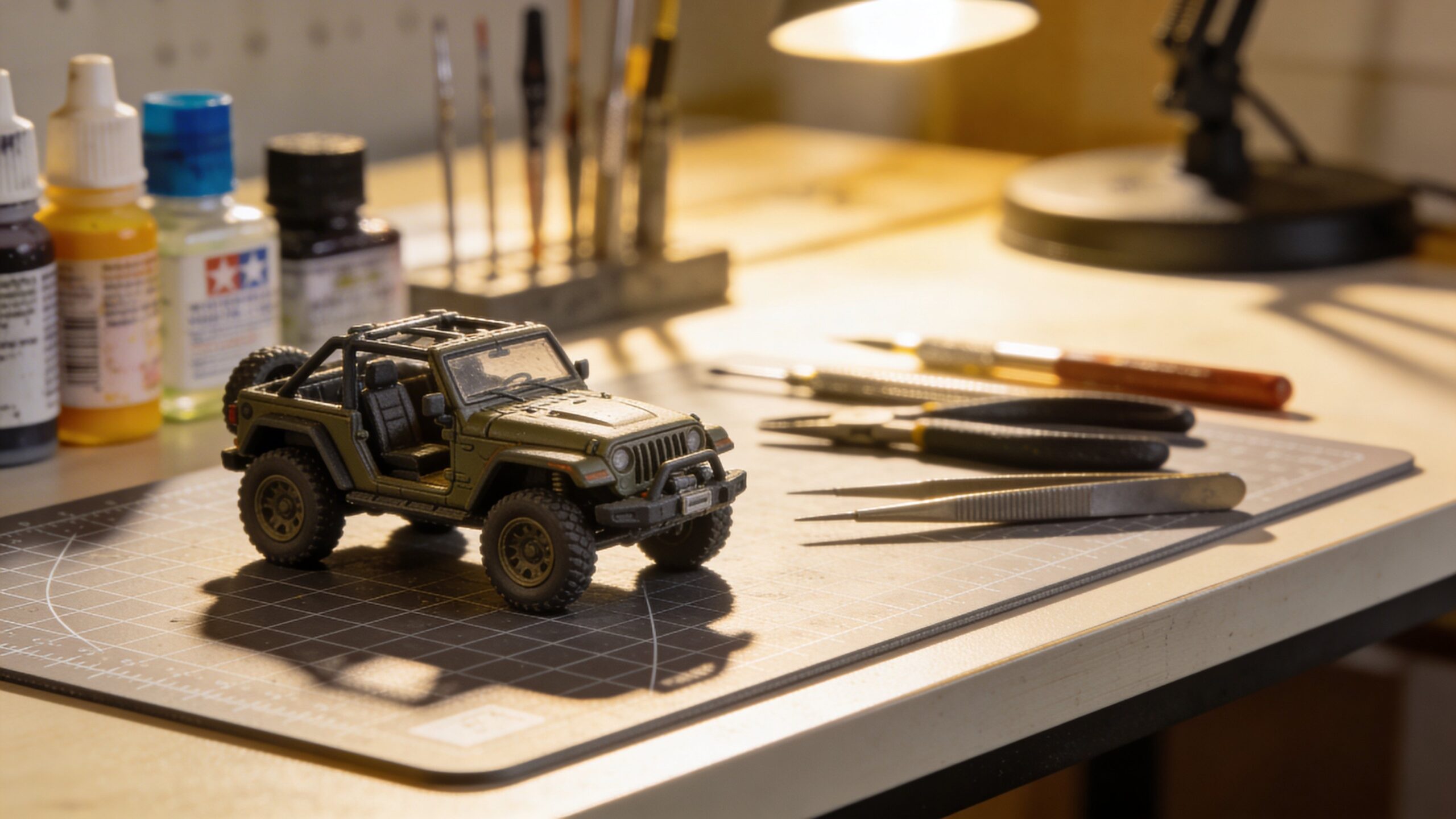
Scale modeling is where precision meets creativity, transforming raw materials into detailed miniature worlds. Whether you are assembling your first kit or exploring advanced sculpting techniques, scale modeling offers a unique blend of engineering, artistry, and patience. It is a craft that rewards attention to detail while encouraging experimentation, making it equally appealing to beginners and seasoned builders. At its core, scale modeling is about recreating reality in reduced form. From vehicles and aircraft to architectural scenes and fantasy landscapes, each project becomes an opportunity to interpret the real world through craftsmanship. The journey begins with understanding the fundamentals, and once those are in place, every build becomes more refined, more realistic, and more rewarding.
A: Larger scales like 1:24 or 1:35 are easier to work with.
A: Not initially; brushes work well for beginners.
A: It varies from hours to weeks depending on complexity.
A: Acrylic paints are beginner-friendly and versatile.
A: Use small amounts and apply carefully.
A: Yes, sanding and repainting can correct most issues.
A: Adding wear effects for realism.
A: Keep them in dust-free display cases.
A: It can be affordable with basic tools and kits.
A: Practice regularly and study real-world references.
Understanding Scale: The Foundation of Every Build
Scale defines the relationship between the model and its real-world counterpart. Common scales like 1:24, 1:35, or 1:72 indicate how much smaller the model is compared to the original. A 1:24 scale model, for example, means one inch on the model represents twenty-four inches in reality. This concept is essential because it influences everything from proportions to detailing.
Choosing the right scale depends on your goals. Larger scales offer more room for detail and are often easier for beginners to work with, while smaller scales allow for expansive scenes and collections. Consistency is key when building dioramas or multi-part displays, as mismatched scales can disrupt realism.
Choosing Your First Model: Kits vs. Custom Builds
For beginners, model kits provide a structured introduction. These kits typically include pre-molded parts, instructions, and sometimes decals, making them an excellent starting point. They help develop foundational skills like assembly, sanding, and painting without overwhelming complexity. Custom builds, often referred to as scratch building, take creativity further by allowing you to construct models from raw materials. While more demanding, this approach offers complete control over design and detail. Many builders start with kits and gradually transition into custom projects as their confidence grows.
Essential Tools: Building Your Modeling Arsenal
Every scale modeler relies on a core set of tools that enable precision and control. Cutting tools, sanding materials, adhesives, and painting equipment form the backbone of any workspace. High-quality tools not only improve results but also make the process more enjoyable and efficient.
A well-organized workspace is just as important as the tools themselves. Proper lighting, a stable work surface, and accessible storage for materials can significantly enhance your workflow. As your skills develop, your toolkit will naturally expand to include more specialized equipment tailored to your preferred style of modeling.
Materials and Components: What Models Are Made Of
Scale models are commonly made from plastic, resin, metal, or wood, each offering unique characteristics. Plastic kits are widely available and beginner-friendly, while resin provides higher detail at the cost of increased fragility and complexity. Metal components add durability, and wood is often used in architectural or ship modeling. Understanding how these materials behave is crucial. Some require specific adhesives or preparation techniques, and each responds differently to sanding, painting, and finishing. Mastery of materials allows you to adapt your approach and achieve more consistent results across different types of builds.
Assembly Techniques: Precision from the Start
The assembly phase is where your model begins to take shape. Careful removal of parts, precise alignment, and clean bonding are essential for achieving a professional finish. Rushing this stage often leads to visible seams or structural weaknesses that are difficult to correct later.
Dry fitting parts before gluing ensures proper alignment and helps identify potential issues early. Taking time to sand edges and remove imperfections creates a seamless appearance, laying the groundwork for a polished final product. Precision at this stage directly influences the overall quality of the build.
Painting Fundamentals: Bringing Models to Life
Painting is where scale models gain depth, realism, and personality. Proper surface preparation, including priming, ensures that paint adheres evenly and reveals fine details. Thin, controlled layers produce smoother finishes and prevent obscuring intricate features. Color selection plays a critical role in realism. Understanding how light interacts with surfaces helps you choose shades that replicate real-world materials. Techniques like layering and blending add dimension, making your model appear more lifelike and visually engaging.
Weathering and Realism: Adding Authentic Detail
Weathering transforms a clean model into a believable representation of real-world wear and tear. Subtle effects like scratches, dust, rust, and fading can dramatically enhance realism. These details tell a story, suggesting how the object has been used or exposed to its environment.
The key to effective weathering is restraint. Overdoing effects can make a model appear artificial, while carefully applied details create depth and authenticity. Observing real-world references helps guide your approach and ensures that each effect feels natural.
Dioramas: Creating a Scene Around Your Model
Dioramas elevate scale modeling by placing your build within a narrative environment. Instead of a standalone object, the model becomes part of a larger story. Terrain, structures, and environmental elements combine to create immersive scenes that capture attention. Building a diorama requires careful planning. Composition, scale consistency, and lighting all contribute to the final effect. Even simple additions, such as a textured base or background elements, can significantly enhance the presentation and impact of your model.
Advanced Techniques: Expanding Your Skillset
As you gain experience, advanced techniques open new creative possibilities. Airbrushing allows for smooth gradients and precise control, while custom detailing techniques enable you to modify and enhance existing kits. Sculpting and kitbashing introduce entirely new dimensions to the craft.
Experimentation is a vital part of growth. Trying new methods, materials, and tools helps refine your skills and develop a unique style. Over time, these techniques become second nature, allowing you to tackle more complex and ambitious projects.
Common Beginner Mistakes and How to Avoid Them
Many beginners encounter similar challenges, from using too much glue to rushing the painting process. These mistakes often stem from impatience or lack of familiarity with techniques. Recognizing them early helps you avoid frustration and improve your results. Taking your time, following instructions carefully, and practicing on smaller projects can make a significant difference. Each mistake becomes a learning opportunity, contributing to your overall development as a modeler.
Display and Preservation: Showcasing Your Work
A finished model deserves proper presentation. Display cases protect your work from dust and damage while highlighting its details. Lighting can enhance visual impact, drawing attention to key features and creating a more dynamic display.
Preservation involves maintaining the integrity of your model over time. Proper storage conditions and occasional cleaning ensure that your work remains in excellent condition. A well-displayed model not only showcases your skills but also inspires future projects.
The Creative Journey: Why Scale Modeling Endures
Scale modeling is more than a hobby; it is a process of continuous learning and creative expression. Each build presents new challenges and opportunities to refine your craft. The satisfaction of transforming simple components into a detailed, realistic creation is unmatched. As you progress, your projects will become more ambitious, your techniques more refined, and your results more impressive. Whether you are building for relaxation, artistic expression, or technical mastery, scale modeling offers a rewarding and endlessly engaging experience.
