Skip to content
sandboxr-logo

Sandboxr

Where Imagination Takes Shape

  • Home
  • Digital Worlds
    • Art Teams & Collaborations
    • Concept Art & Moodboards
    • Fan-Made Expansions
    • Indie Game Creation
    • Game Character Design
    • Game Engine Tools
    • Level Design Techniques
    • Storytelling Through Design
    • Virtual Reality Worlds
    • Visual Style & Direction
    • Worldbuilding & Environments
    • Sound & Atmosphere in Games
  • 3D Art
    • Digital Sculpting & Modeling
    • Texture Painting & Shading
    • Sculpting Software Guides
    • Portfolio Spotlights
    • Stylized vs. Realistic Design
    • Lighting & Rendering
    • File Optimization & Workflow
    • Design Case Studies
    • Architectural Modeling
    • Character Sculpting
    • Animation & Motion Design
  • The Build Lab
    • Model & Sculpture Builds
    • World Props & Set Pieces
    • Vehicles & Mechs
    • Art Displays & Exhibitions
    • Behind the Build
    • Collector & Maker Showcases
    • Fan Replicas & Tributes
    • Architectural Builds
    • Character Creations
    • Wearables & Armor
  • Gaming Collectibles
    • Gaming Figurines & Replicas
    • Pop-Culture Models
    • Collectible History & Value
    • Cosplay Creations
    • Toy & Miniature Design
    • Limited-Edition Drops
    • Retro Collectibles
    • Fan-Made Worlds
    • Collector Interviews
    • NFT & Digital Collectibles
    • eSports & Brand Collectibles
    • Artist Collabs & Merch Lines
  • Creative Technology
    • 3D Design Software
    • Rendering Engines
    • Scanning & Photogrammetry Tools
    • AI & Automation in Art
    • AR/VR Creation Tools
    • Creative Hardware
    • Simulation & Physics Engines
    • Collaboration Platforms
    • Creator Economy Tools
    • Next-Gen Creative Tech
    • Asset Marketplaces
    • Cloud Workflows
  • Creator Studio
    • Artist Interviews
    • Studio Spotlights
    • Design Challenges
    • Workflow Breakdowns
    • Portfolio Reviews
    • Masterclass Features
    • Behind-the-Scenes Projects
    • Creative Collaborations
    • Community Q&As
    • Process Deep Dives
  • Design Culture
    • Design Psychology
    • Color & Composition
    • Aesthetics & Style Guides
    • Cultural Influences in Design
    • History of 3D Art
    • Philosophy of Creation
    • Iconic Designers & Styles
    • Inspiration Boards
    • Artistic Movements
    • The Future of Digital Art
  • Product Reviews
  • GamerTopia
    • SandboxPedia
      • 3D Art Glossary
      • Art Style References
      • Digital Sculpting Terms
      • Game Design Encyclopedia
      • Knowledge and references for creators and enthusiasts.
      • Tools & Software Directory
    • Galleries
      • 3D Sculptures Gallery
      • Artist Portfolios
      • Digital-to-Physical Builds
      • Fan Replica Collections
      • Game World Exhibits
    • Top 10’s

Category: Digital Worlds And Game Design

Why Sound Design Is One of the Most Powerful Tools in Game Design

Why Sound Design Is One of the Most Powerful Tools in Game Design

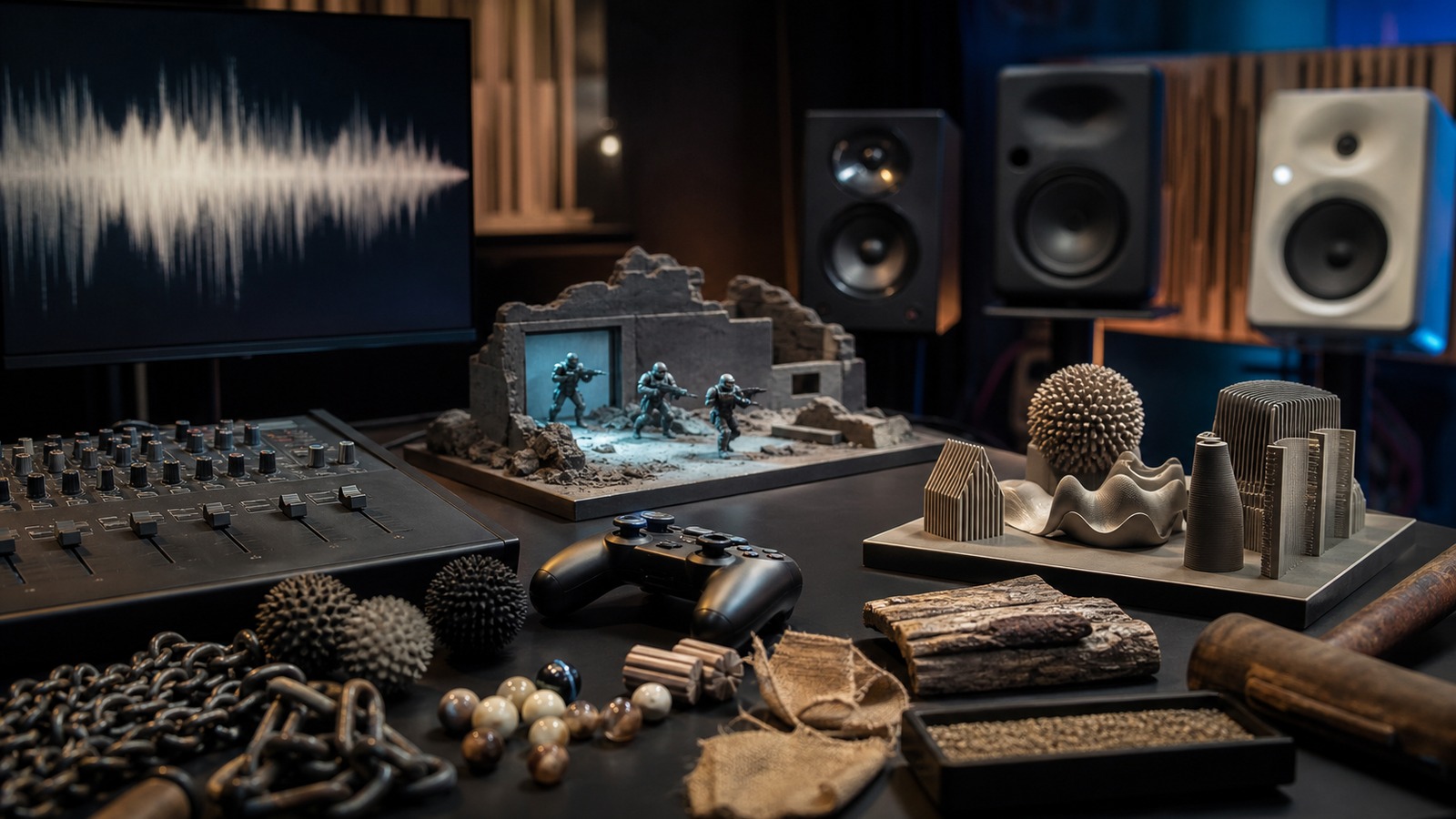
Sound design is powerful in game design because it guides attention, confirms action, shapes emotion, supports feedback, builds atmosphere, and improves readability.

How to Build Immersive Game Atmosphere with Sound, Music, and Silence

How to Build Immersive Game Atmosphere with Sound, Music, and Silence

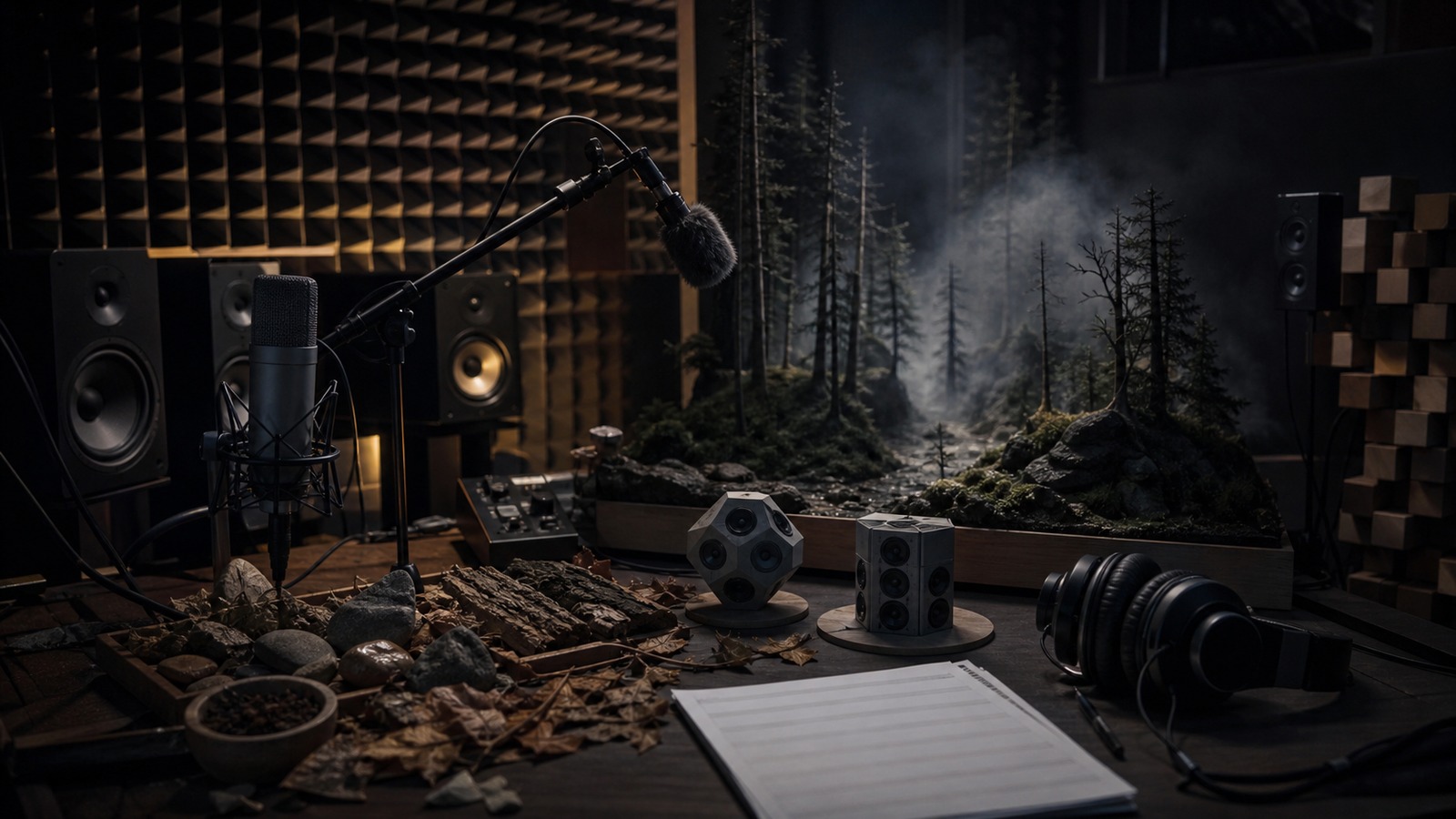
Immersive game atmosphere uses sound, music, silence, ambience, spatial cues, rhythm, reverb, emotional tone, and restraint to shape player experience.

Why Fan-Made Expansions Keep Older Games Alive for Years

Why Fan-Made Expansions Keep Older Games Alive for Years

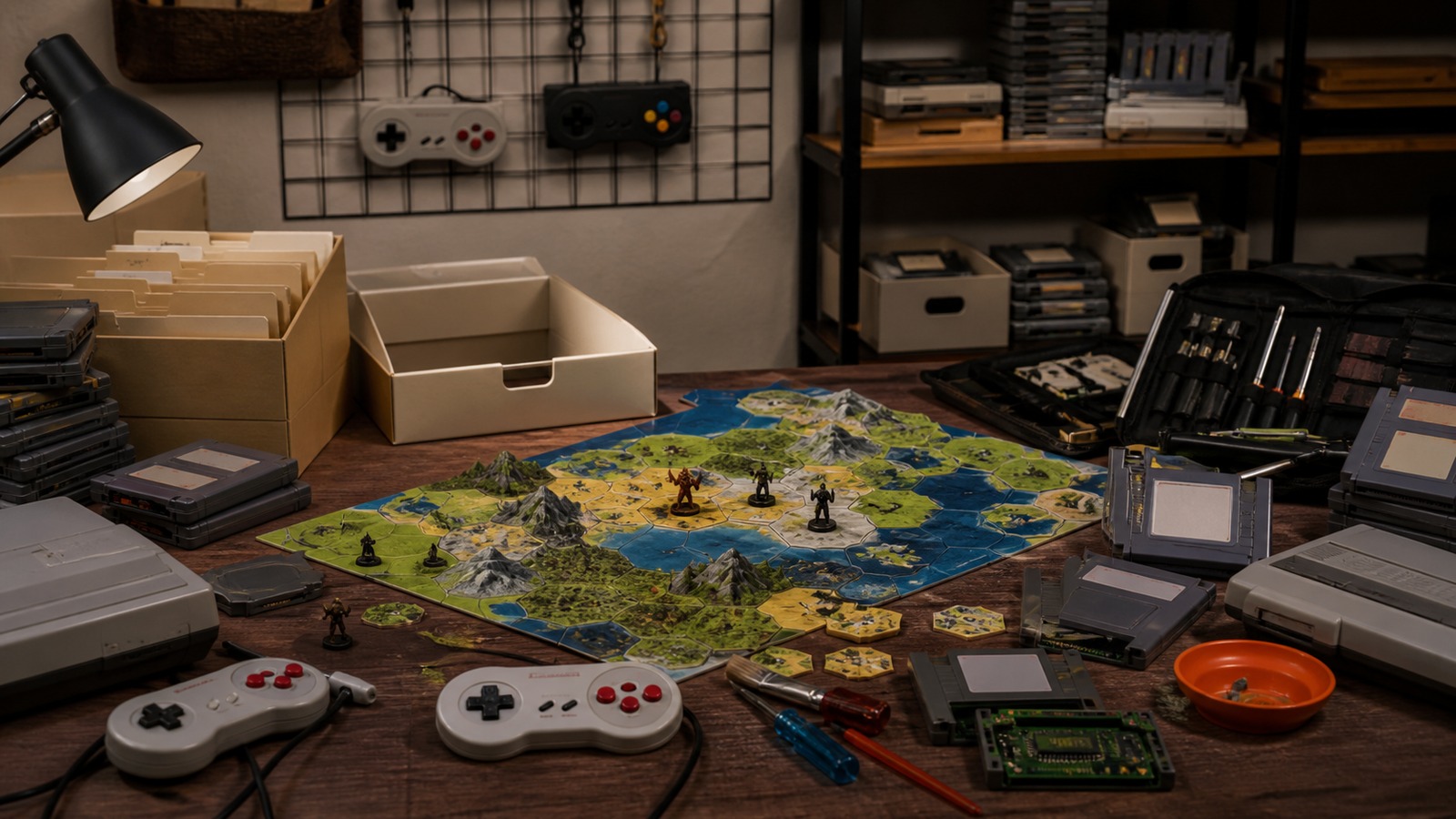
Fan-made expansions keep older games alive by adding new content, preserving communities, refreshing challenges, extending worlds, and inspiring returning players.

How to Create a Fan-Made Expansion Without Losing the Original Game’s Spirit

How to Create a Fan-Made Expansion Without Losing the Original Game’s Spirit

Creating a fan-made expansion requires respecting the original game’s spirit while adding new quests, levels, characters, mechanics, environments, and challenges.

Game Art Collaboration Explained: From Concept Art to Final 3D World

Game Art Collaboration Explained: From Concept Art to Final 3D World

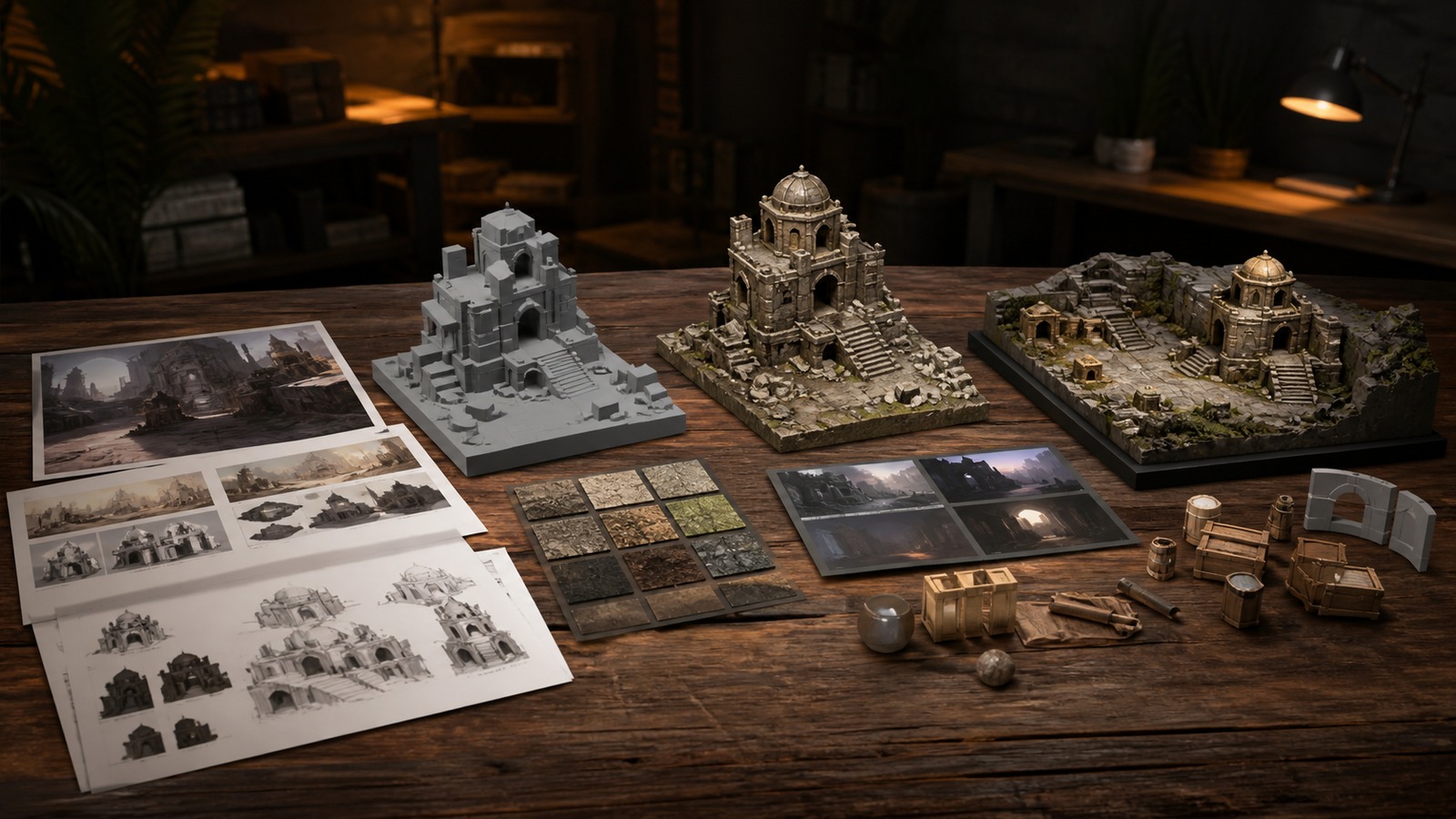
Game art collaboration moves from concept art to final 3D world through briefs, modeling, materials, animation, lighting, technical review, engine testing, and feedback.

How to Build a Strong Game Art Team for Indie and Studio Projects

How to Build a Strong Game Art Team for Indie and Studio Projects

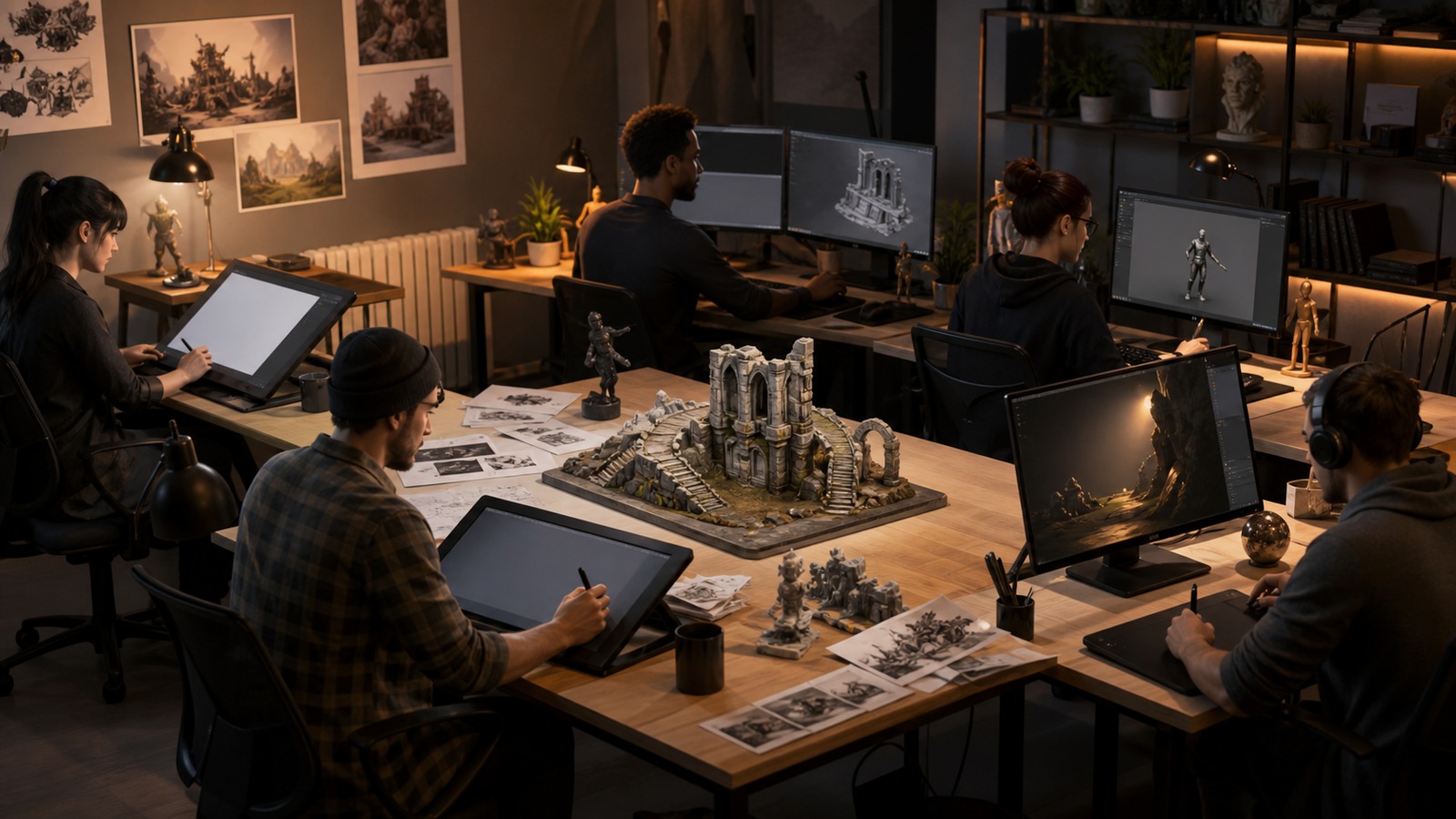
A strong game art team needs clear roles, art direction, pipelines, communication, reviews, production planning, outsourcing boundaries, and shared quality standards.

How Game Engines Help Artists, Designers, and Developers Build Digital Worlds

How Game Engines Help Artists, Designers, and Developers Build Digital Worlds

Game engines help teams build digital worlds by connecting assets, lighting, physics, scripting, animation, level design, testing, optimization, and real-time feedback.

Unity vs Unreal Engine: Which Game Engine Tool Is Best for Your Project?

Unity vs Unreal Engine: Which Game Engine Tool Is Best for Your Project?

Unity vs Unreal Engine depends on project scope, visual goals, team skills, platform needs, workflows, asset pipelines, performance targets, and support.

How to Create Better Game Levels with Flow, Pacing, and Player Choice

How to Create Better Game Levels with Flow, Pacing, and Player Choice

Better game levels use flow, pacing, landmarks, player choice, challenge rhythm, rewards, feedback, and iteration to guide players without trapping them.

Level Design for Beginners: How Great Game Worlds Are Built

Level Design for Beginners: How Great Game Worlds Are Built

Beginner level design focuses on player goals, paths, pacing, landmarks, obstacles, teaching moments, readable spaces, iteration, and playtesting.

How to Build a VR Environment from Concept Art to Playable World

How to Build a VR Environment from Concept Art to Playable World

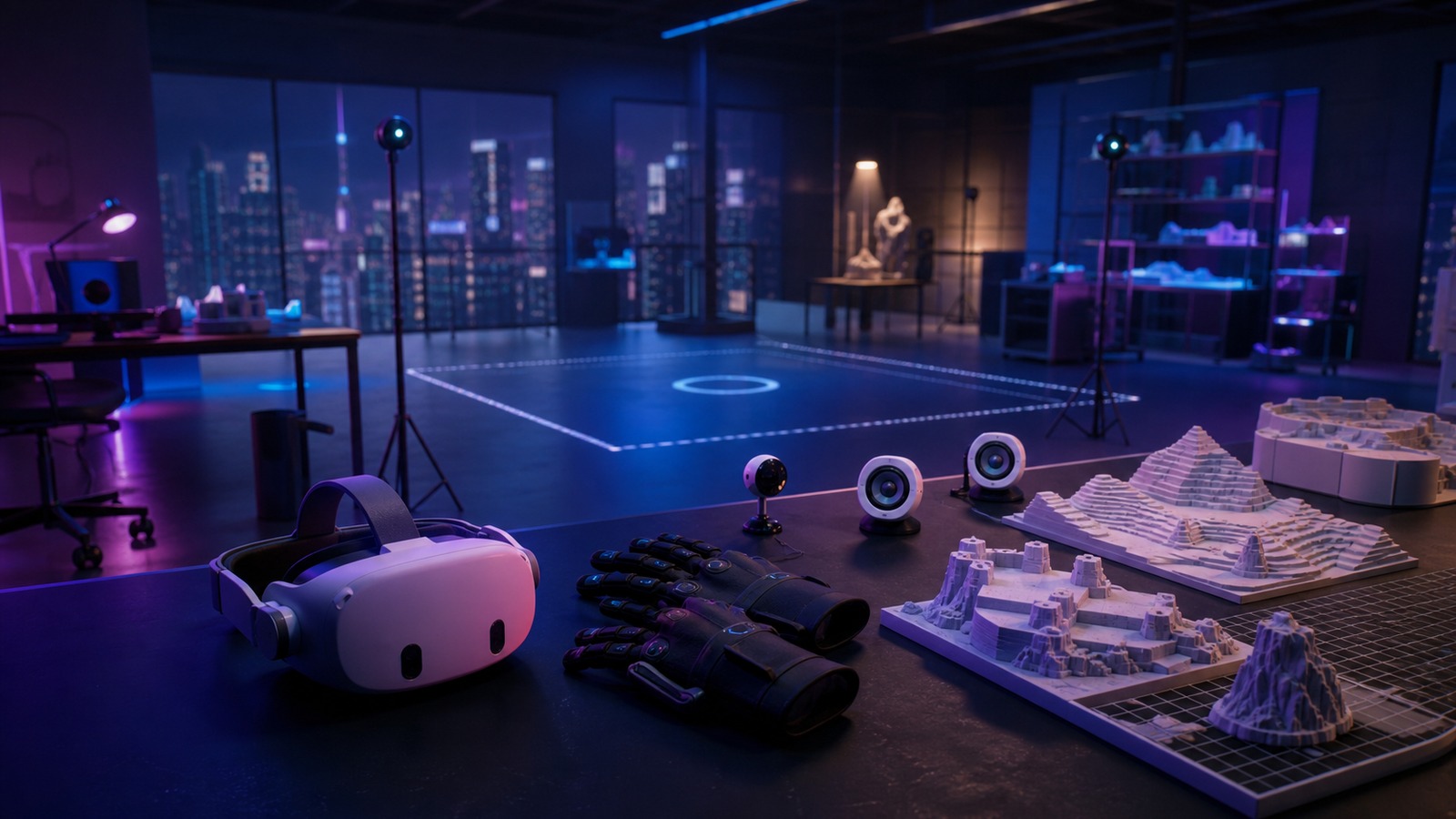
Building a VR environment from concept art to playable world requires scale planning, comfort testing, interaction zones, optimized assets, lighting, and spatial audio.

The Future of VR Game Worlds: Immersion, Interaction, and Real-Time 3D Design

The Future of VR Game Worlds: Immersion, Interaction, and Real-Time 3D Design

The future of VR game worlds depends on comfort, real-time 3D design, natural interaction, spatial audio, world persistence, and environments built for presence.
Posts pagination

Previous 1 2 3 4 … 8 Next

Explore Sandboxr


Start Your Journey

From pixels to planets, exploring the art of 3d world creation
How sandbox testing keeps the internet secure from malware
The metaverse in motion, what the next generation of virtual worlds looks like
How hackers use sandboxing and how cyber defenders strike back
The power of play, why experimentation fuels real innovation
Inside the future, how AI is redefining creativity and work

Sandboxr

About, Contact & Legal Info:
About Us
Contact Us
Recent Articles
All Topics A-Z
Advertise
Terms of Use
Privacy Policy


News Street Network

Explore Our Featured Street Destinations:
News Street Network
Duffy Street – Pets
Mossy Streets – Gardening
Mario Street – Characters
Gloss Street – Beauty
Philo Street – TVs
Animal Streets
Explore 200+ Street Network Sites

Powered by Redhawks Media

Building the Future of Discovery:
Powered by RedHawks Media — connecting 200+ Street destinations into one world of exploration.


Social

Follow Us:
Facebook
Instagram
LinkedIn
X (Twitter)
YouTube
Threads
TikTok
Pinterest


Copyright © 2025 RedHawks Media