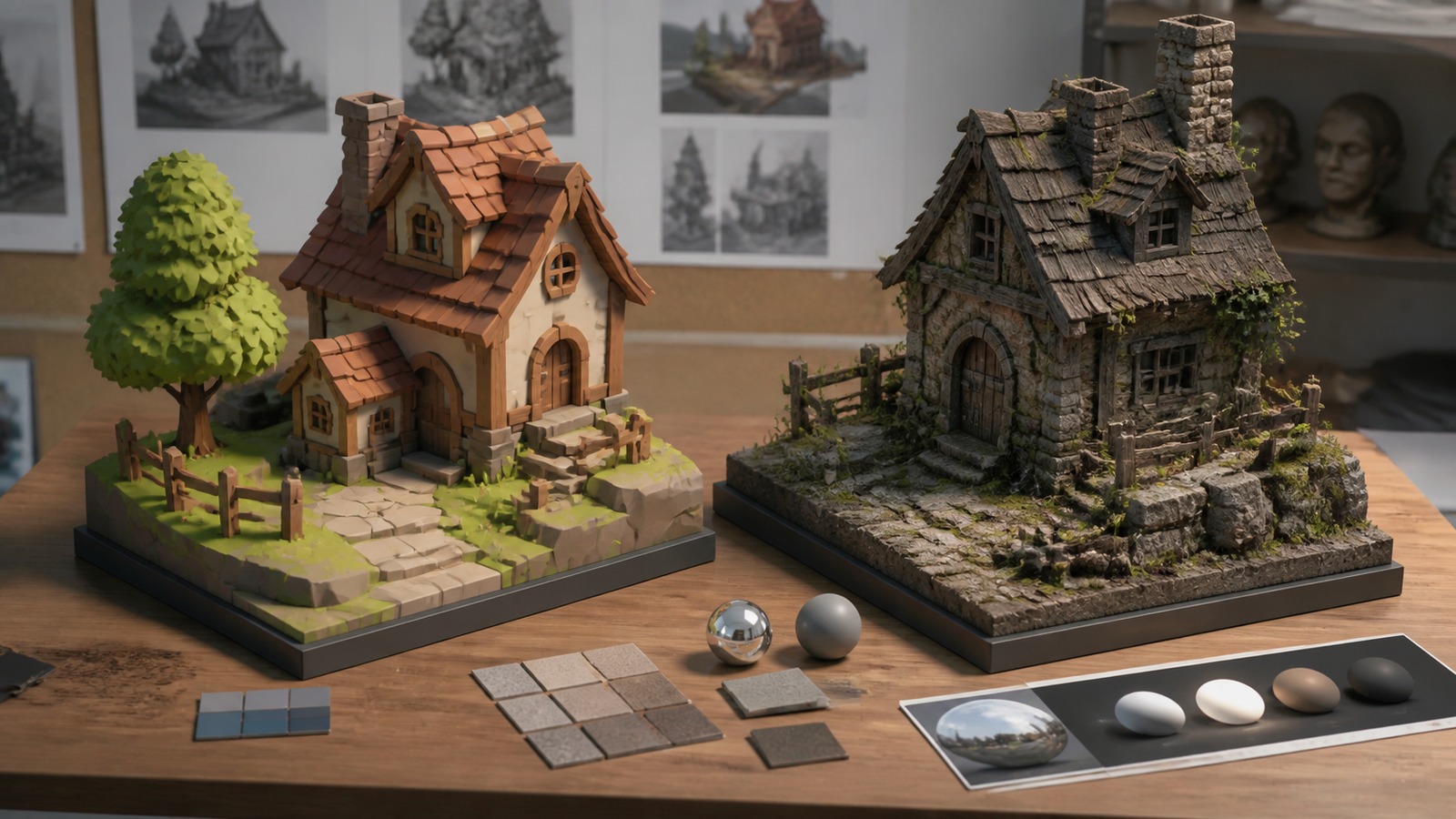
Stylized vs Realistic Game Art: Which Visual Direction Works Best?
Choosing between stylized and realistic game art depends on audience, production scope, readability, technology, emotional tone, budget, and long-term asset needs.

Where Imagination Takes Shape
Choosing between stylized and realistic game art depends on audience, production scope, readability, technology, emotional tone, budget, and long-term asset needs.
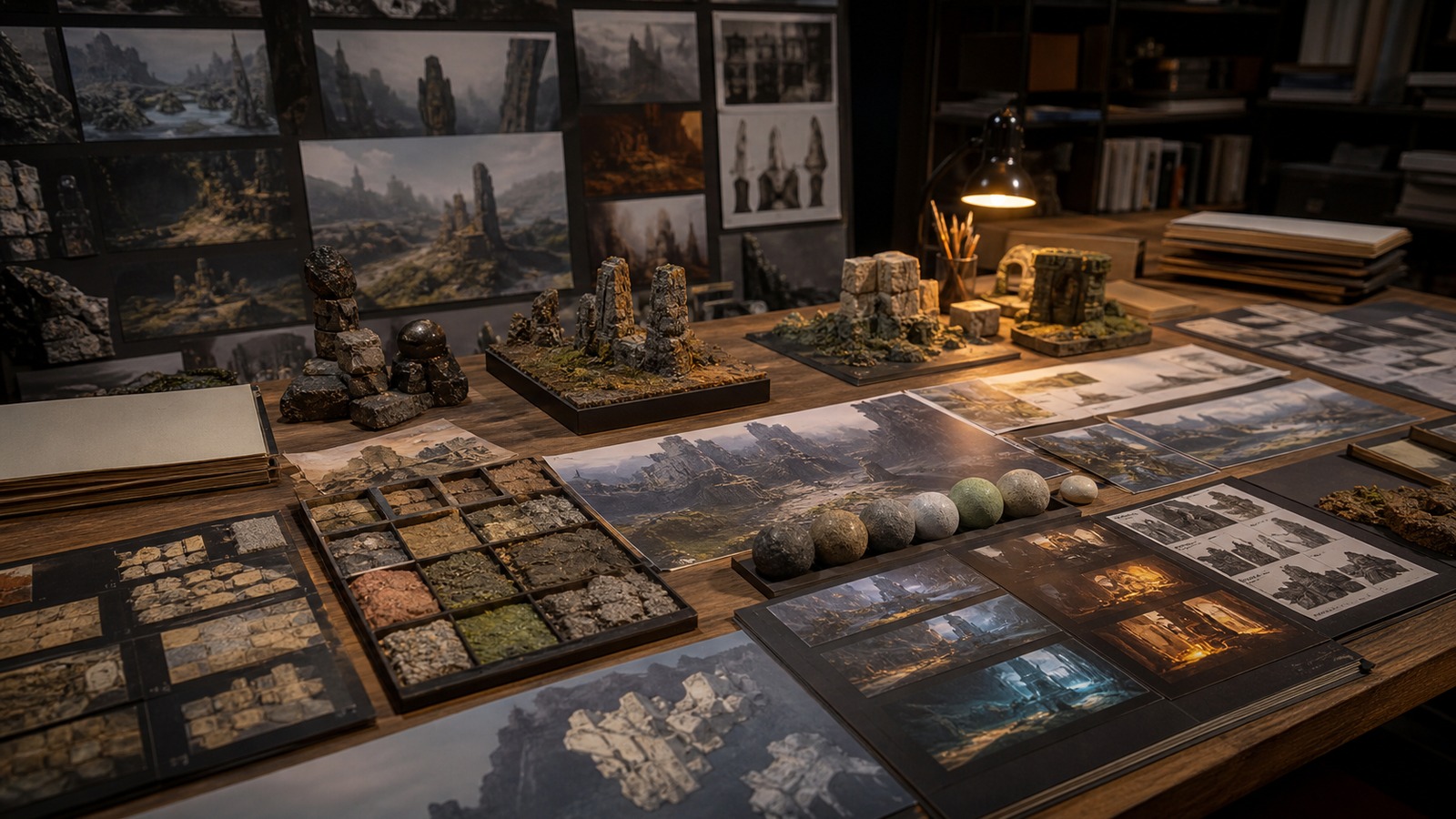
A strong art direction guide for a 3D game world defines visual rules for shape, color, lighting, materials, scale, references, and production decisions.
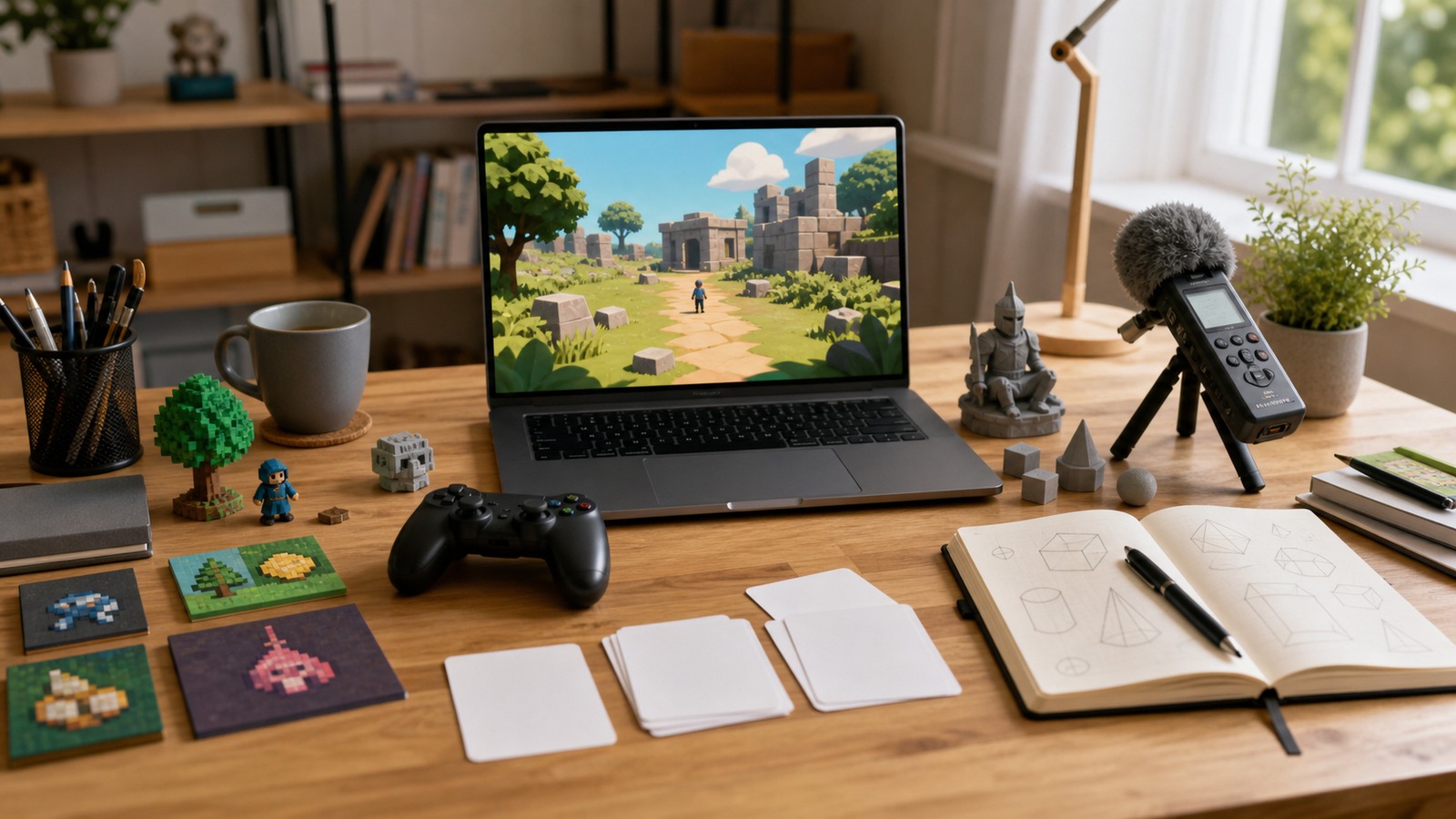
Beginner indie game developers should learn core loops, engine basics, small-scope design, prototyping, version control, playtesting, art/audio limits, and finishing.
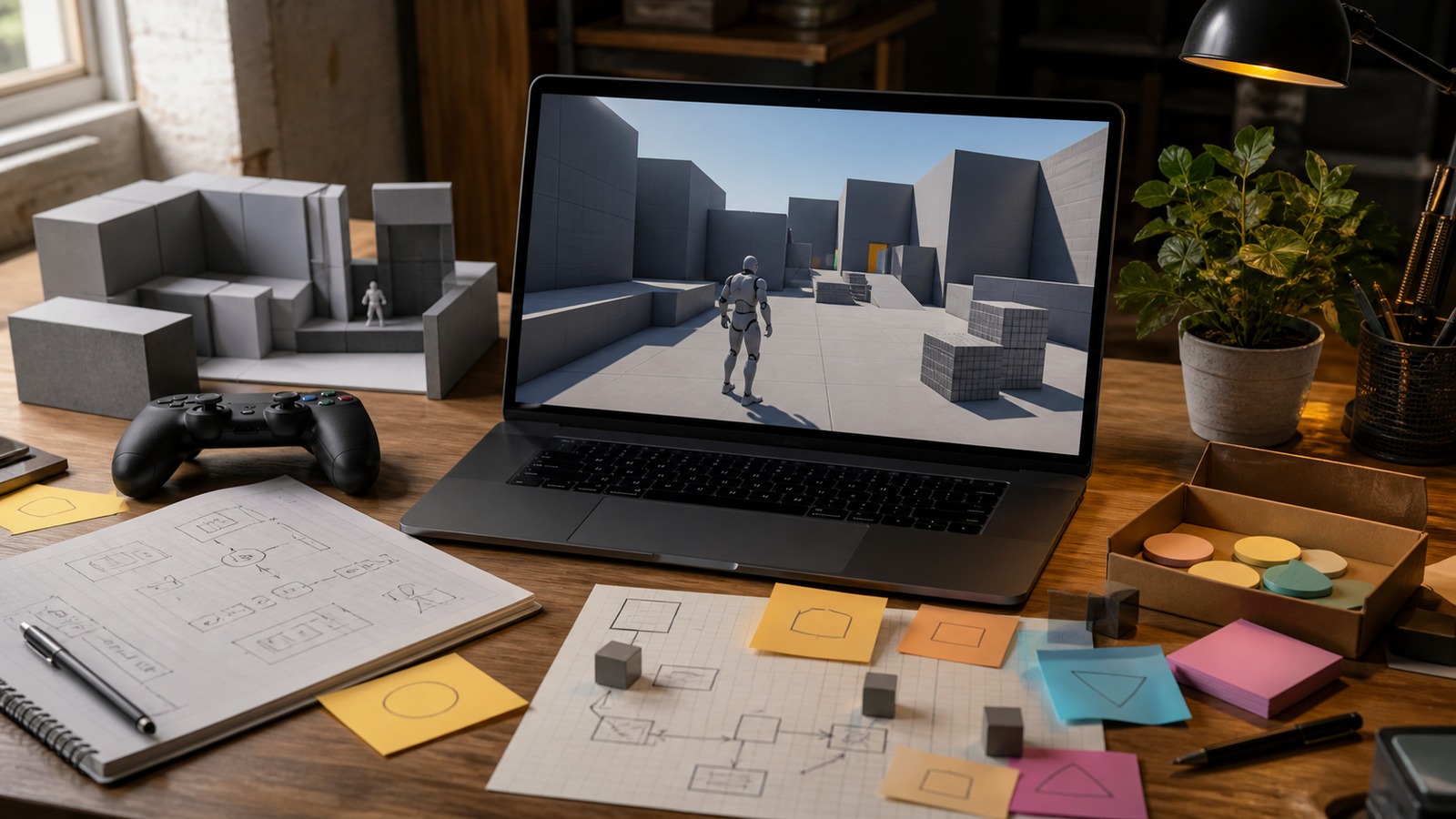
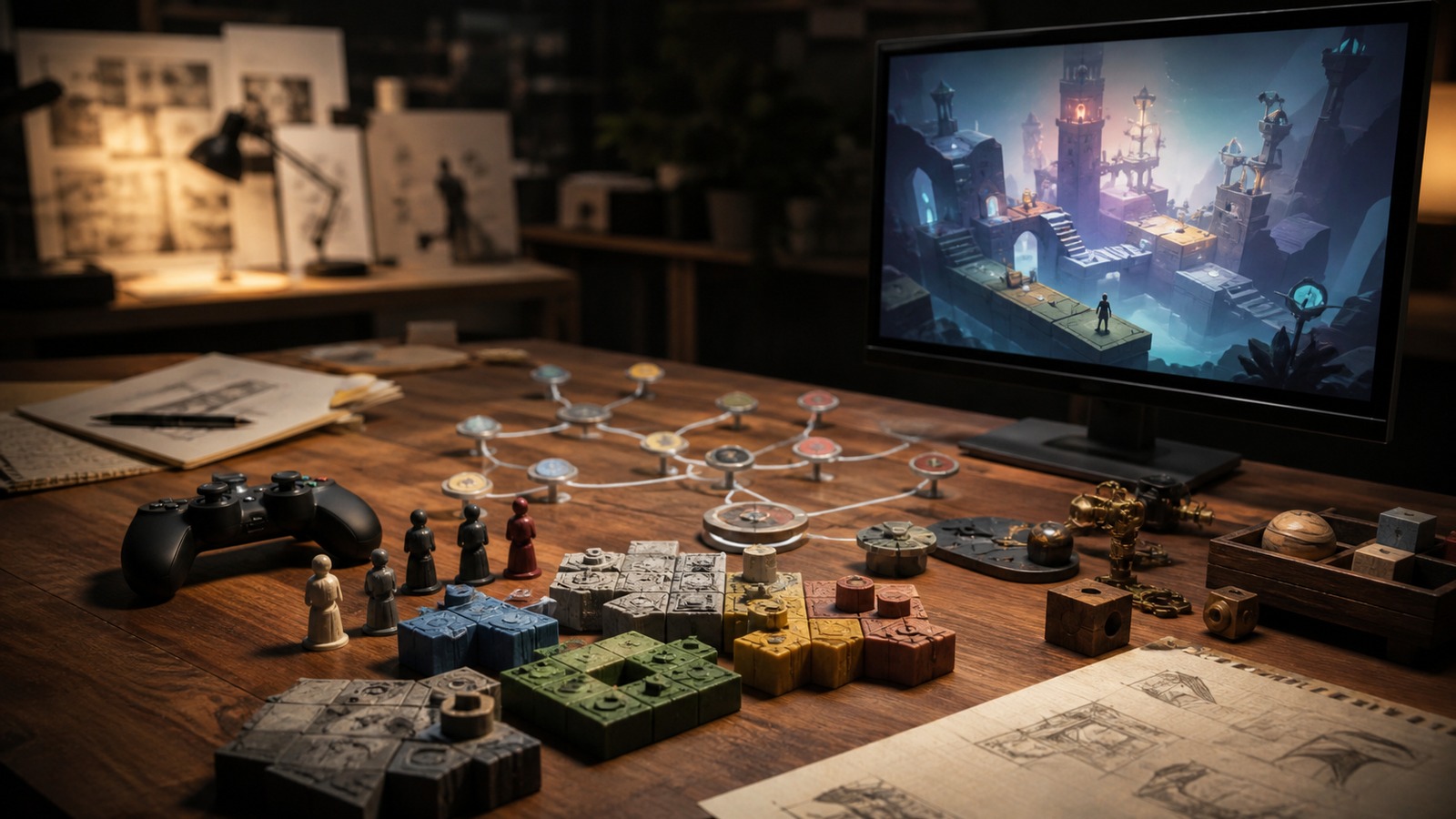
Turning a game idea into a playable prototype requires choosing the core loop, testing one mechanic, using placeholders, gathering feedback, and cutting scope.
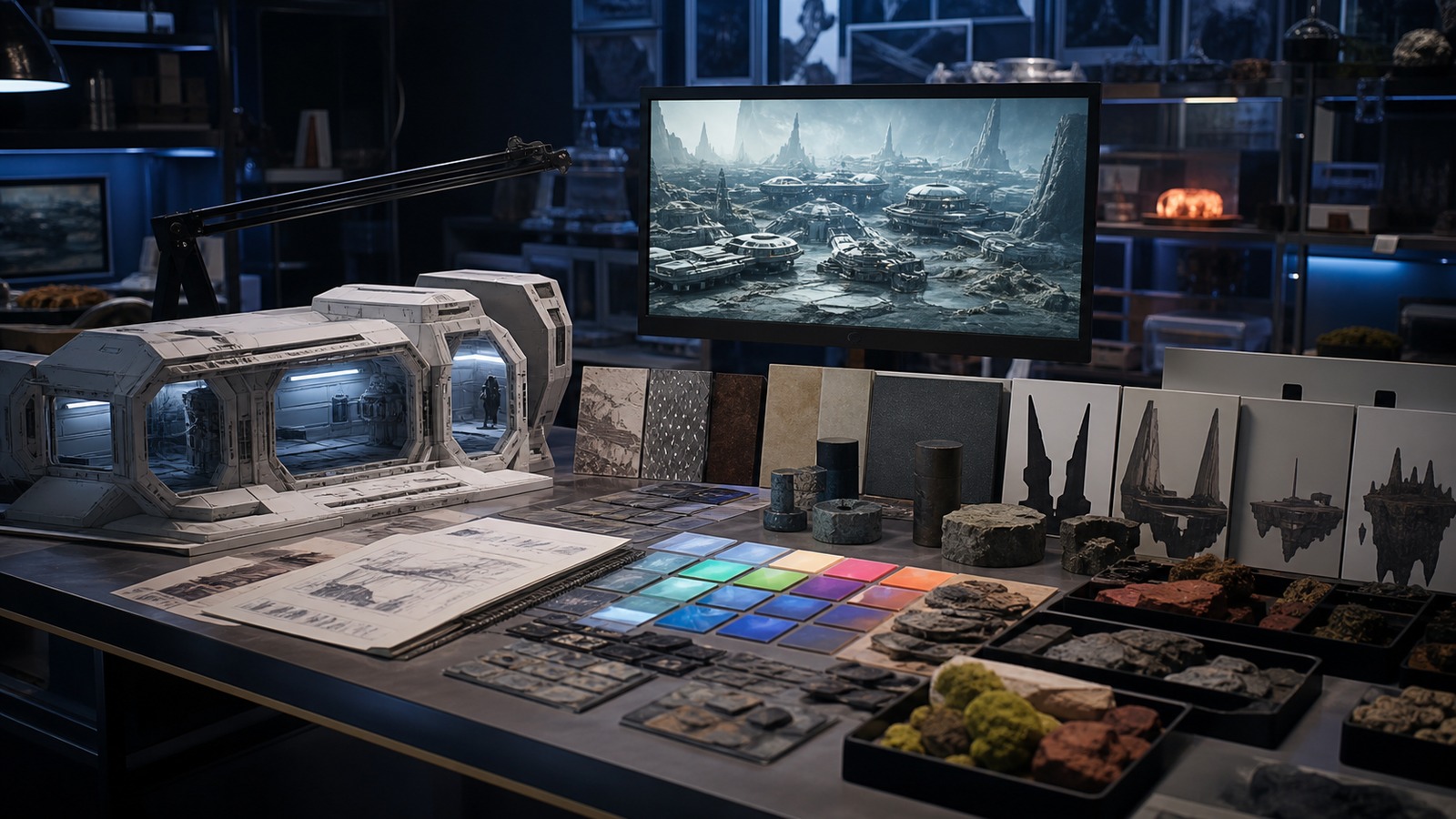
Designing a sci-fi world with concept art and moodboards requires visual rules for technology, culture, scale, materials, color, environment, and story.
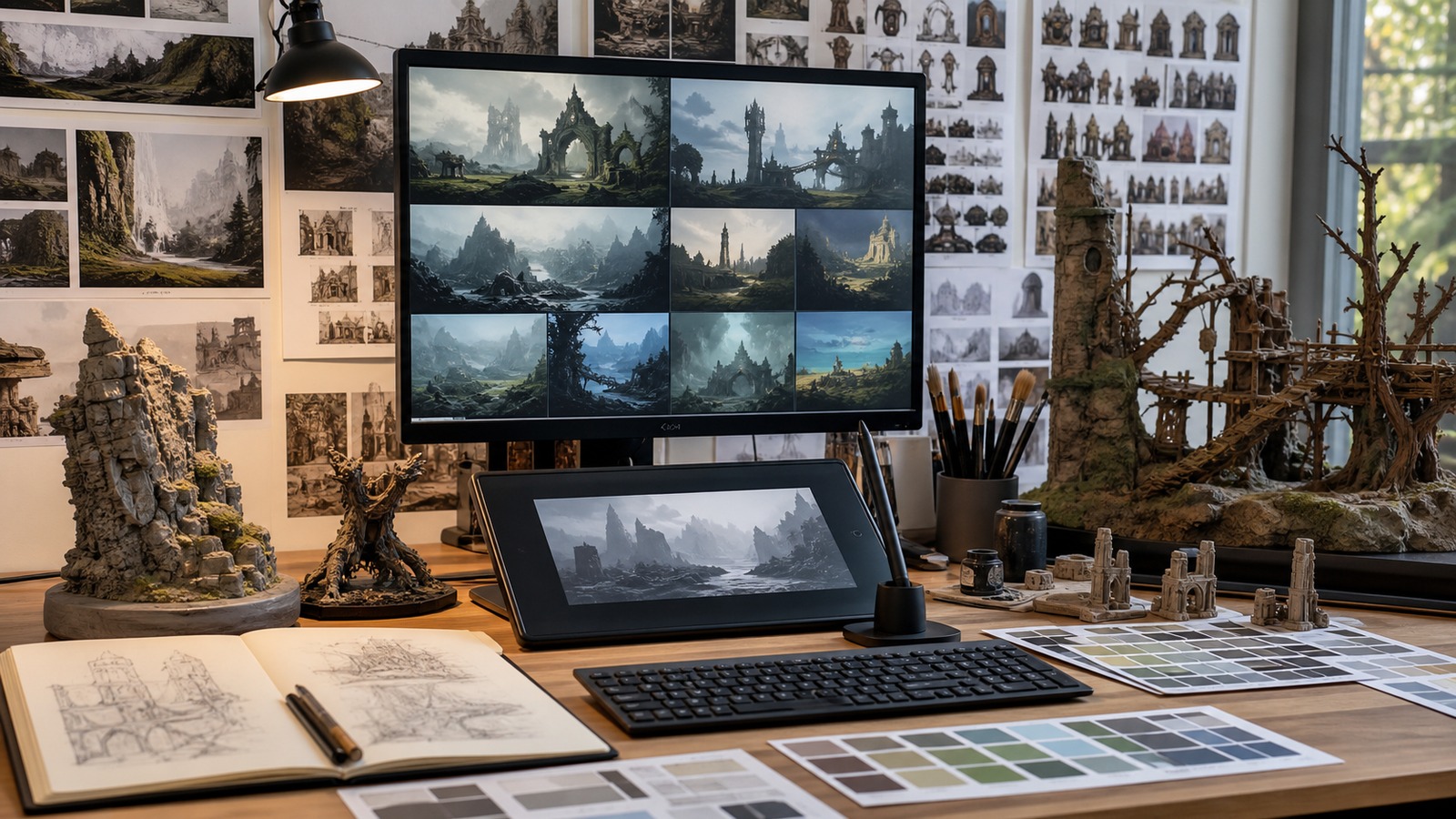
Game environment concept art ideas help digital artists explore landmarks, biomes, architecture, mood, scale, materials, routes, and story-rich spaces.
Interactive storytelling uses gameplay mechanics, choices, rules, failure, progression, systems, and feedback to make story something players actively perform.
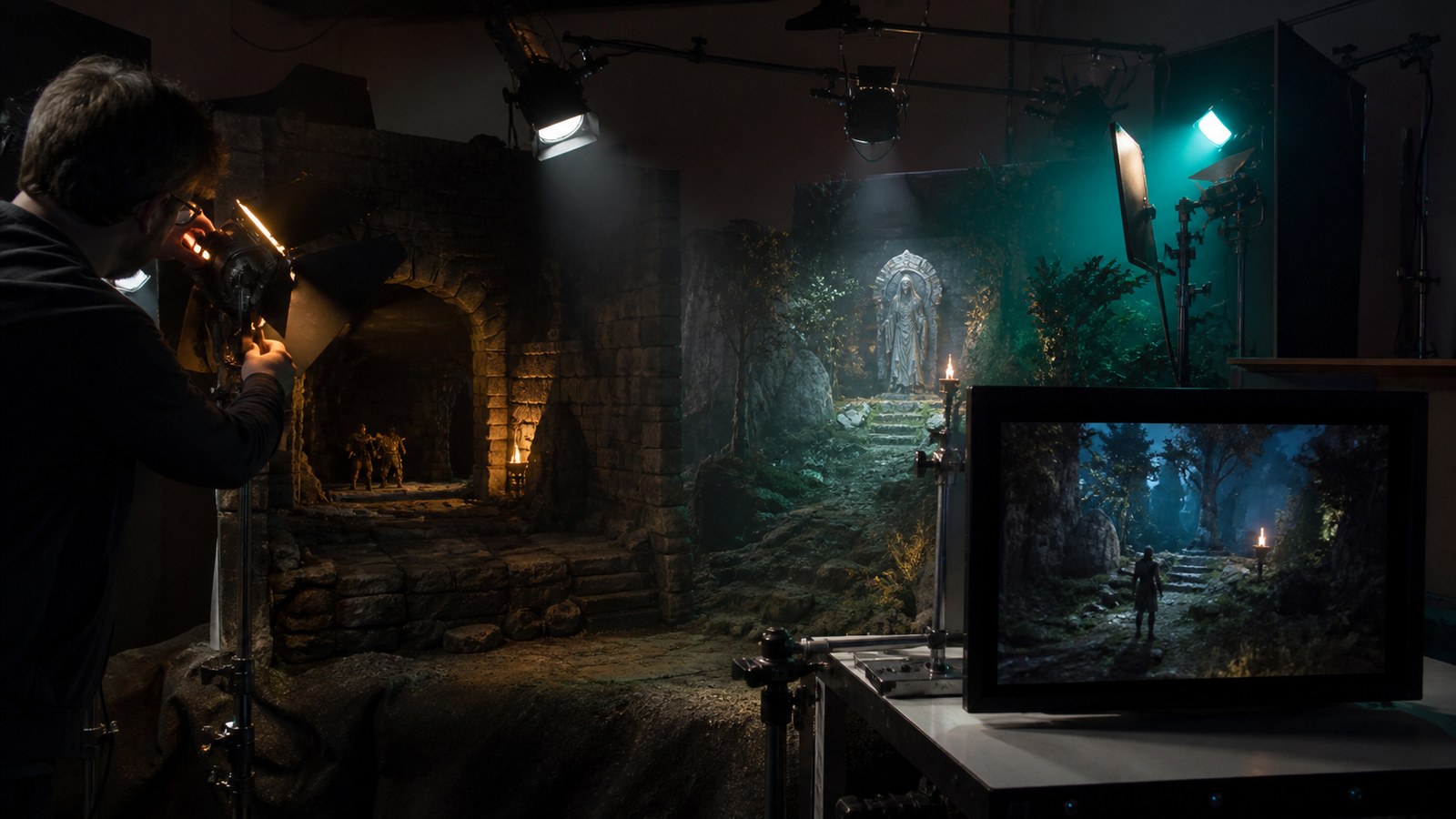
Lighting shapes mood and narrative in games by guiding attention, revealing danger, marking safety, controlling pacing, and giving scenes emotional meaning.
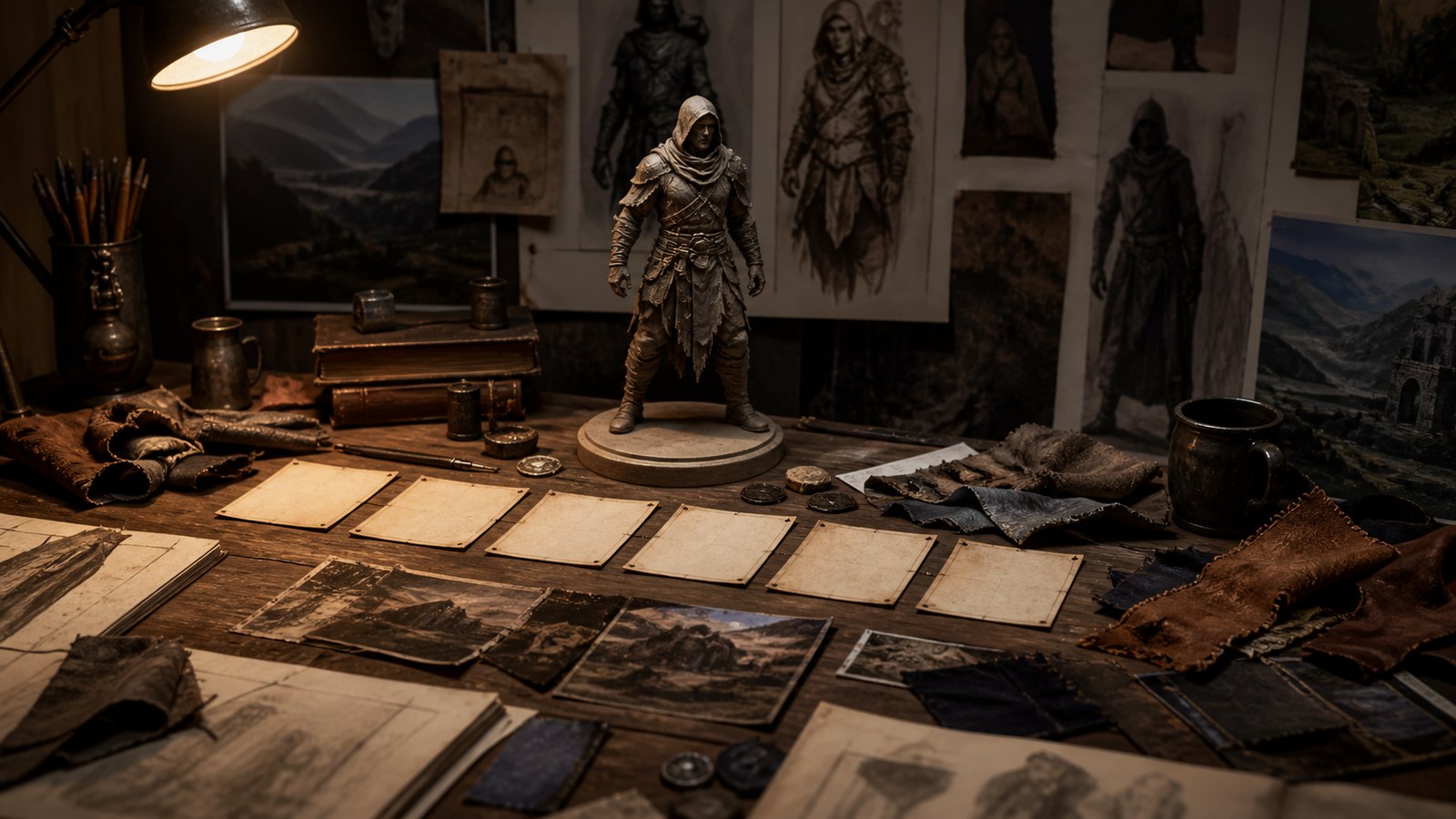
A strong character backstory informs visual design through history, role, wounds, values, tools, clothing, posture, materials, and meaningful details.
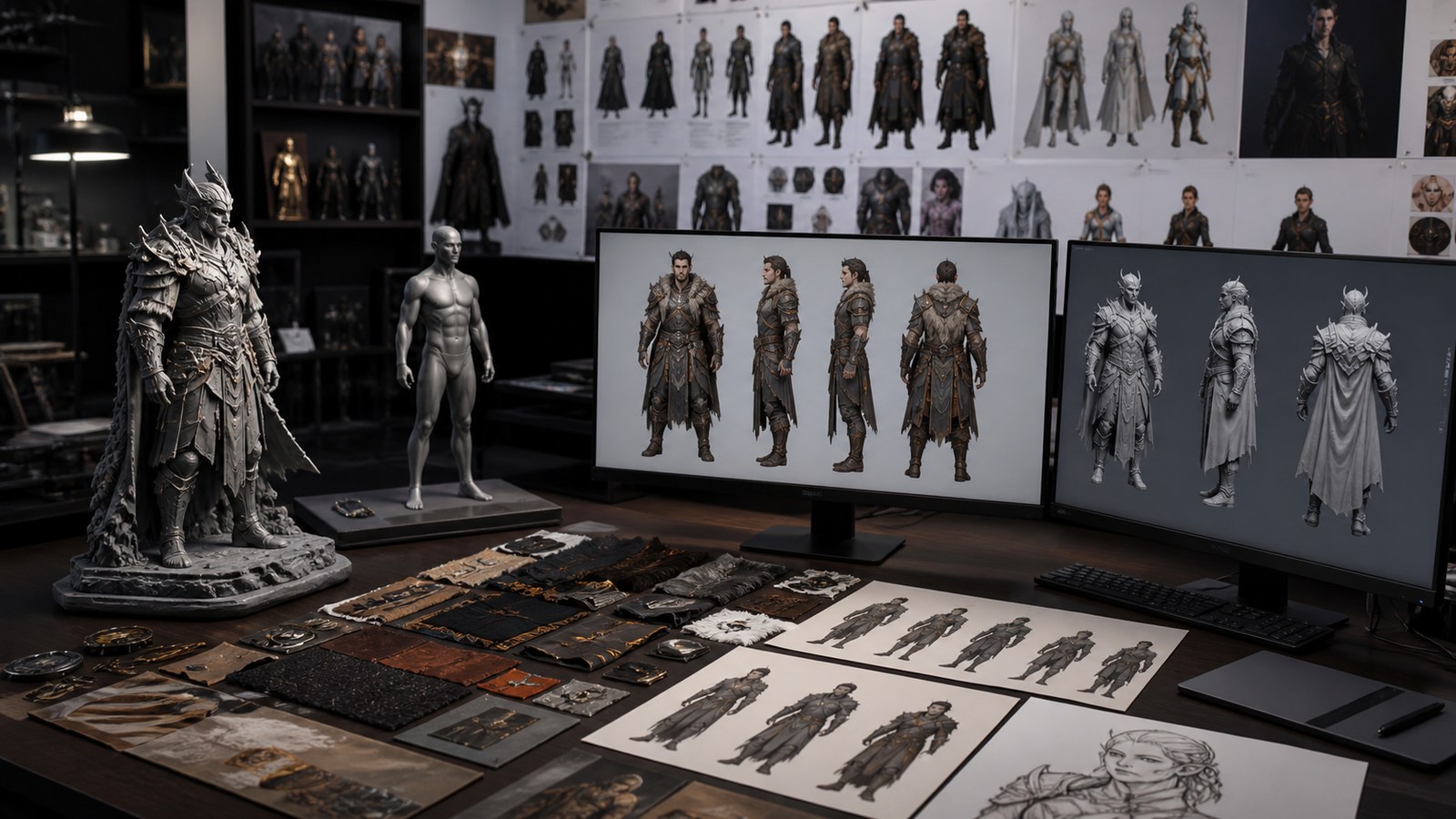
Game character design in 2026 is likely to emphasize readable silhouettes, modular identity, expressive materials, customization, cultural specificity, and animation-ready detail.
Ethical worldbuilding represents diversity with specificity, research, varied characters, cultural context, sensitivity, power awareness, and trope avoidance.
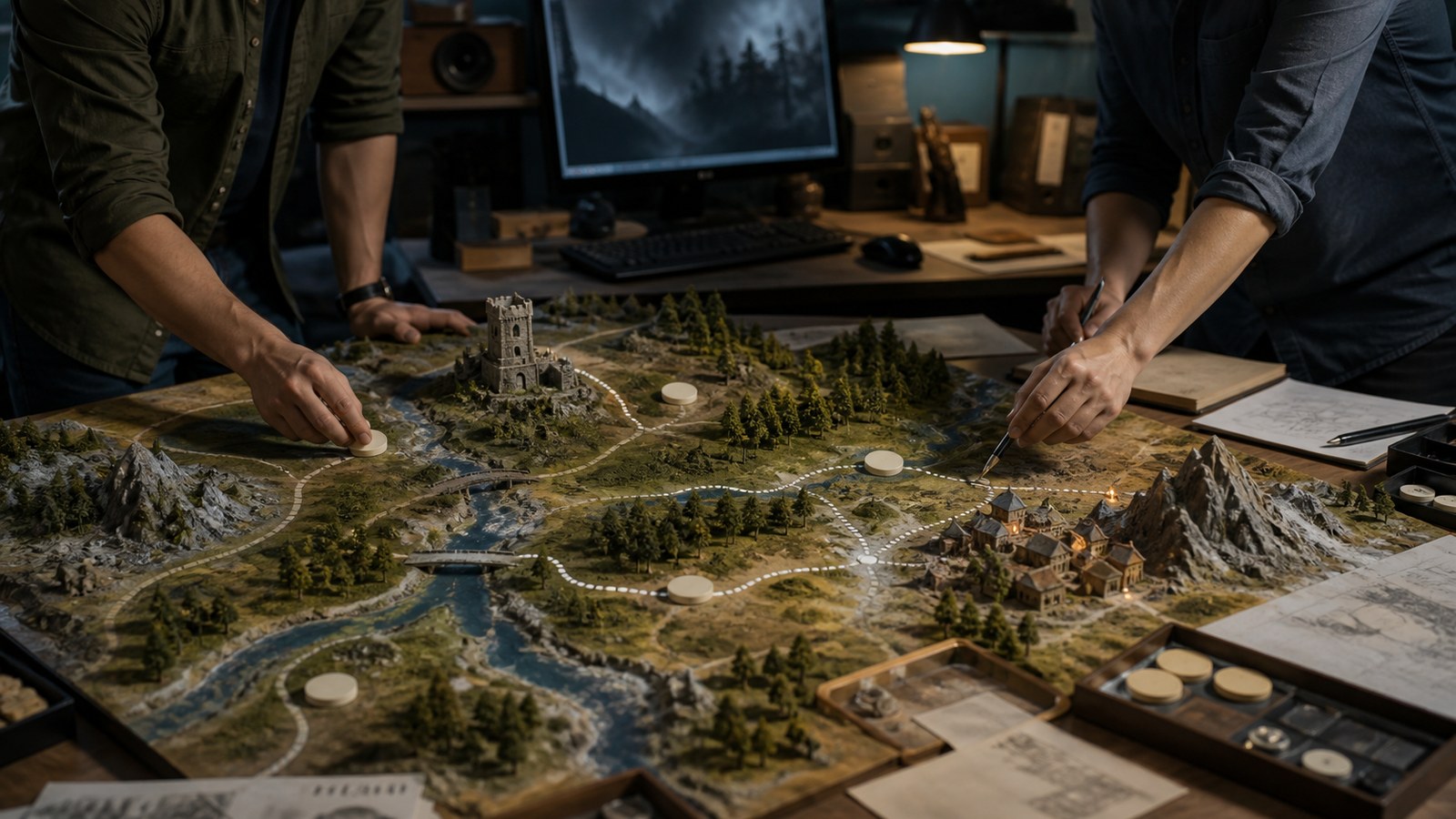
Environment-driven quests make missions feel native to the world by letting terrain, landmarks, hazards, routes, and local history create objectives.