Lore Feels Stronger When Players Discover It
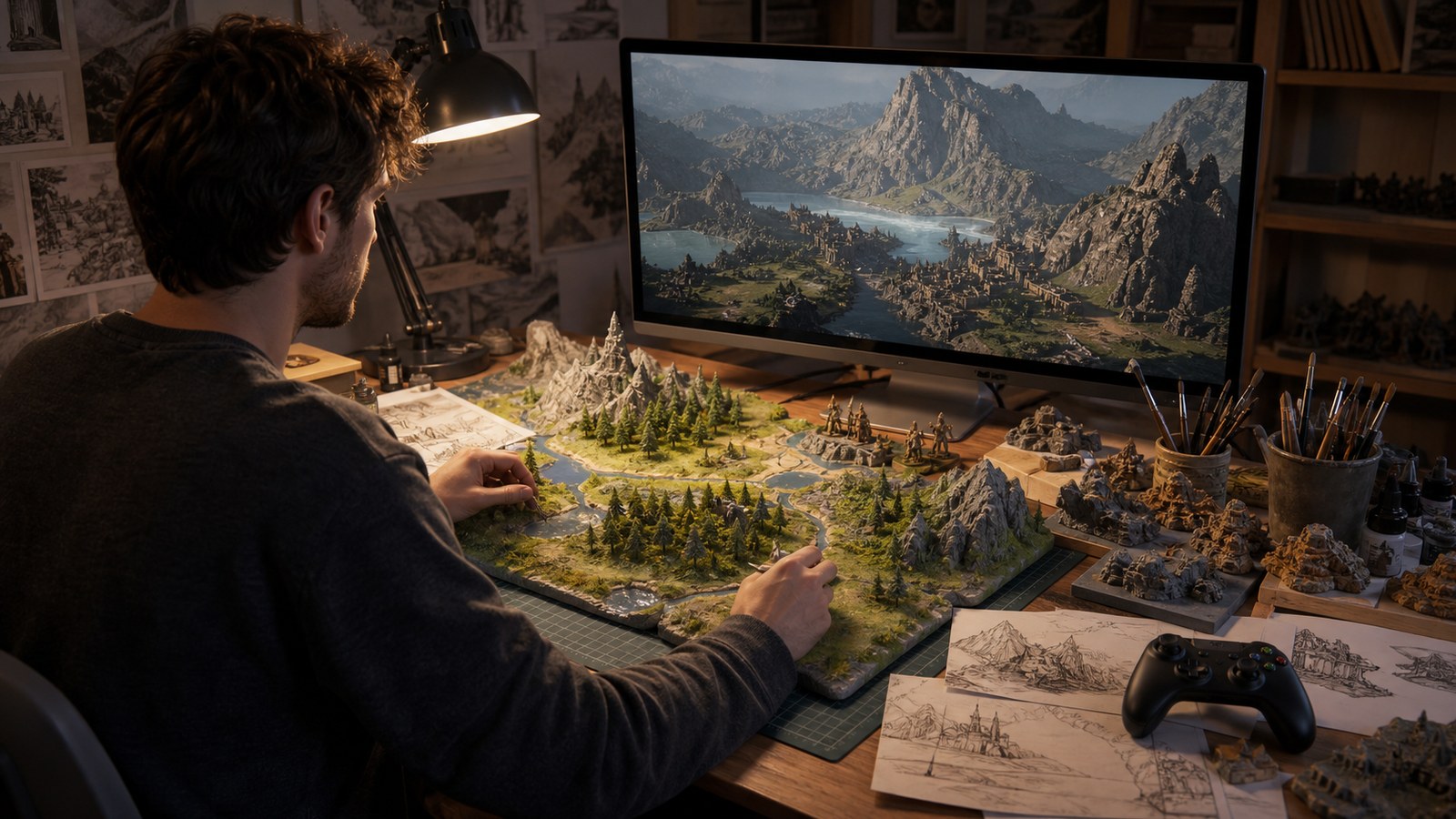
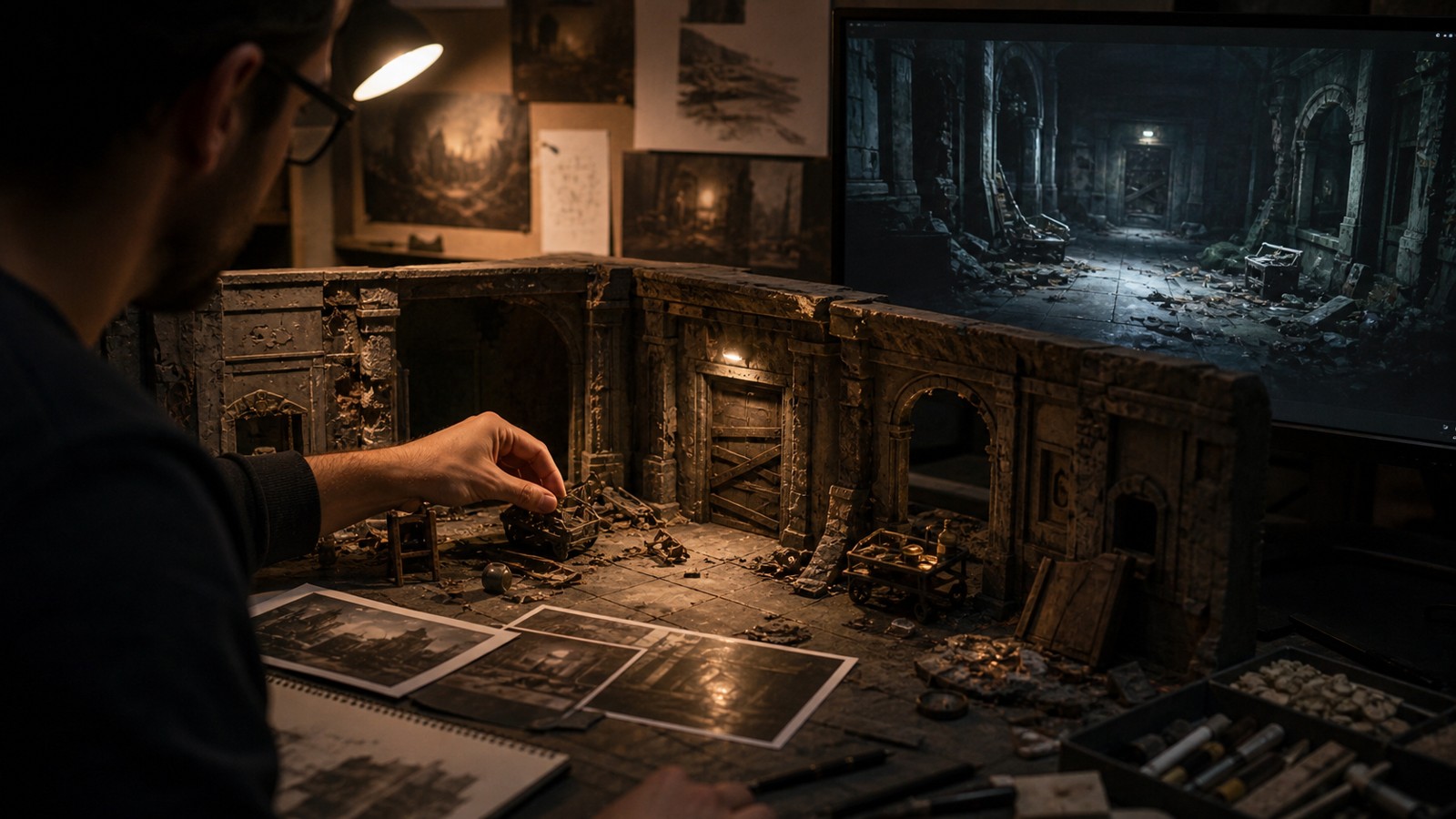
Subtle storytelling in level design is the craft of letting a place speak before a character explains it. A broken bridge, abandoned meal, scorched doorway, overgrown monument, blocked tunnel, or carefully lit shrine can suggest history without stopping the player for exposition. This kind of lore works because it gives players the pleasure of inference. They notice a pattern, connect it to movement through the space, and form a small theory about what happened there. Good environmental storytelling does not hide information so completely that no one understands it. It places clues with enough care that curious players feel rewarded and hurried players still absorb the mood. For game creators, the art is choosing which stories belong in dialogue, which belong in documents, and which belong in the level itself. The quiet stories often last longest because players feel they found them on their own.
A: Start with one small project that can be finished and reviewed.
A: Add detail after the main structure, scale, and read are working.
A: Use enough to answer form, material, style, and context questions.
A: Helpful feedback points to a clear problem and a possible next change.
A: Keep a must-have list and move extra ideas into a later version.
A: Clarity, lighting, scale, and a view that shows the strongest choices.
A: Use them when they solve a real problem, not because they look impressive.
A: Save versions before big changes and at every stable milestone.
A: Return to the original promise and fix the largest weakness first.
A: It is complete when it meets the goal clearly enough to share, play, display, or learn from.
Let The Space Ask A Question
Subtle environmental lore often begins with a question. Why is this door sealed from the outside? Why are the beds untouched but the tables overturned? Why does a temple have military repairs? A good level can place that question in the player’s path before offering any answer. The moment of curiosity is valuable because it invites the player to participate rather than passively receive background information.
The question should be visible enough to register during normal movement. If players must inspect every corner to notice the first clue, the story may feel hidden rather than discovered. A strong clue can be large, oddly placed, brightly framed, or connected to a required route. The player does not need the full explanation yet; they only need a reason to wonder.
This approach turns lore into momentum. Instead of pausing the game for background information, the level makes players want to move deeper. They keep exploring because the environment has created a gap in understanding, and that gap becomes a form of narrative pull.
Show Consequences Before Causes
One of the strongest ways to tell story through level design is to show consequences before causes. A burned village, flooded chamber, abandoned checkpoint, or shattered statue communicates that something happened. Players then search for the source, whether it is a battle, ritual, disaster, betrayal, or long decline. This structure gives the environment a sense of before and after.
Consequences feel more believable when they affect navigation. A collapsed bridge changes the route. A barricade blocks a street. A cave-in opens a dangerous shortcut. When story evidence also changes how players move, the lore becomes part of the level rather than decoration. The player experiences history as an obstacle, invitation, or altered path. The eventual explanation should respect the clues already shown. If the environment implies a sudden attack, later spaces should not suggest a slow evacuation unless that contradiction is intentional and supported. Players are surprisingly good at noticing when environmental logic breaks, especially when the level has trained them to pay attention.
Use Architecture As Social Evidence
Buildings can reveal power structures before any character speaks. A palace raised above cramped housing, a guard tower facing inward, a hidden servant corridor, or a marketplace built around a shrine all suggest how people lived. Architecture gives lore a physical form because players move through the values of a society. The path itself can say who mattered, who was watched, and who was pushed aside.
Level designers can use scale, access, material quality, and route hierarchy to communicate status. Who gets sunlight? Who has shortcuts? Who is forced through narrow corridors? Which spaces are repaired, and which are left to decay? These choices can make a fictional culture feel specific without a long written history.
The key is restraint. A single architectural contrast may say more than a room packed with symbols. Players need time to absorb what a space implies, and the best environmental story scenes often leave room for the player’s own interpretation.
Reward Curiosity Without Breaking The Main Route
Optional lore works best when it follows curiosity. If players see a strange balcony, a locked side room, a trail of broken objects, or a quiet alcove behind a noisy hall, they may choose to investigate. The reward can be a scene, prop arrangement, view, sound cue, or short document that deepens the world. The player feels guided by interest rather than forced by checklist design.
Optional spaces should not carry information required for basic progression unless the game clearly teaches that style of exploration. Instead, they can add motive, tragedy, humor, foreshadowing, or alternate interpretation. A player who skips them still understands the main route, while a curious player feels trusted. This balance keeps subtle storytelling from becoming frustrating. The level offers depth without turning every story beat into homework. When optional lore is handled well, players begin to explore because they believe the world will answer attention with meaning.
Repeat Ideas Through Different Evidence
Players often need more than one clue to form a reliable theory. Repetition is useful, but it should vary. A faction’s influence might appear through modified doors, ration crates, patrol routes, altered public spaces, and improvised sleeping areas. Each clue supports the same idea from a different angle, which makes the story feel embedded in life rather than pasted onto props.
Repeating the exact same object can feel like copy-paste storytelling. Varied evidence feels more like a real place. It also helps different kinds of players notice the story. Some players read layout, some notice objects, some respond to sound, and some remember color or lighting. A strong clue chain lets several kinds of attention arrive at the same emotional conclusion.
The first clue raises a question, the second suggests a pattern, and the third helps the player connect the story. That gradual confidence is more satisfying than a single obvious explanation because it lets the player feel the act of discovery.
Control The Moment Of Realization
Subtle storytelling is not only about hiding information; it is about timing realization. A player may pass a locked vault early, find evidence of betrayal below it, and later open the vault from the other side. The story lands because the level controlled when the player saw each piece. The realization feels personal even though the designer carefully staged it.
Lighting, route order, enemy placement, and pacing all affect realization. If the player is fighting for survival, they may not notice a delicate clue. If the player enters a quiet overlook after a tense section, they may be more ready to connect what they have seen. Designers should place important lore beats where attention is available, not where the floor plan simply has extra space. Return visits are especially powerful. When players revisit a location with new knowledge, old details can change meaning. The level feels deeper because it was quietly preparing that recognition, and the player feels as if they have become better at reading the world.
Trust Players, Then Verify With Playtests
The best subtle lore trusts players, but trust still needs testing. Designers should watch playtesters move through the level and ask what they think happened. The answer does not need to match perfectly, but it should land near the intended emotional and narrative target. If every tester invents a completely different story, the clue chain may need clearer framing.
Testing should happen after art, lighting, combat, and rewards are in place because those elements change attention. A clue that seemed obvious in graybox may vanish once the room is filled with effects and enemies. Environmental storytelling lives inside the final sensory experience, not inside an isolated design document.
When it works, hidden lore makes players feel observant and respected. They do not merely receive a story; they uncover it through movement, attention, and memory. That feeling is one of level design’s quietest strengths, and it can make a fictional place linger long after the objective is complete.
Let Props Behave Like Evidence
Props become stronger story tools when they behave like evidence rather than decoration. A cup near a window, a blanket beside a blocked exit, or a tool left beside an unfinished repair can suggest action. The player does not need a written note if the arrangement already implies who was there, what they tried to do, and why the moment mattered.
The best prop scenes usually have a focal object and supporting context. If every object tries to be important, the story becomes muddy. If one object carries the main implication and the surrounding details reinforce it, players can read the scene quickly and still feel clever for connecting the pieces.
Use Absence As A Story Device
What is missing from a space can be as revealing as what remains. Empty weapon racks, removed portraits, abandoned cradles, stripped shelves, or missing floor tiles can make players ask who took something and why. Absence creates a negative shape in the story, and that shape can pull attention without adding clutter.
Absence works best when the level gives players a reason to notice it. A clean rectangle on a dusty wall tells a clearer story than an empty wall with no contrast. A ceremonial room with one missing statue creates a sharper question than a room that never established a pattern.
This is where level design can feel almost archaeological. The player is not only walking through geometry; they are reading traces of behavior. A few carefully arranged objects can make the past feel active without requiring a cutscene.
Keep Subtlety Connected To Play
Hidden lore becomes more memorable when it affects how players move, even slightly. A collapsed shrine can create cover, a ruined library can become a maze, and a secret maintenance route can explain both history and navigation. The player learns the story through action, not only observation.
This connection also keeps environmental storytelling from feeling like a museum display. The space still functions as a level. It guides, blocks, rewards, threatens, and invites. Lore is strongest when it gives those functions emotional weight.
Protect The Mystery Without Becoming Vague
A subtle story does not need to answer every question, but it should give players enough evidence to form a meaningful interpretation. Mystery feels rewarding when players can debate motives, sequence, or implication. It feels weak when the clues are so vague that any theory would fit.
Designers can protect mystery by clarifying the emotional truth while leaving some details open. Players may not know the exact name of the person who fled, but they should understand fear, loss, betrayal, hope, or reverence in the scene. That emotional clarity keeps ambiguity from turning into emptiness.
The best subtle stories often leave players with a confident feeling rather than a complete report. They understand enough to care, and the remaining uncertainty gives the place a longer afterlife in memory.
Make The Player Feel Like A Witness
Subtle level storytelling works because it turns players into witnesses. They see what remains, infer what changed, and carry that interpretation into the next room. A designer can guide that process with staging, repetition, absence, architecture, and pacing, but the final spark happens in the player’s mind. That is why hidden lore can feel so powerful: it gives players the dignity of noticing.
That does not require hiding the entire plot in props. It requires choosing the right moments for silence. A level can let dialogue explain the mission while the room explains the cost, the history, or the contradiction beneath it.
When subtle lore supports the main experience instead of competing with it, players of different speeds can all take something away. Some will read the whole scene. Others will only feel the mood. Both responses are valid when the space has been staged with care.
That final act of interpretation belongs to the player, which is exactly why the story can feel earned.